Temple Food Experiences: A Spiritual and Culinary Journey
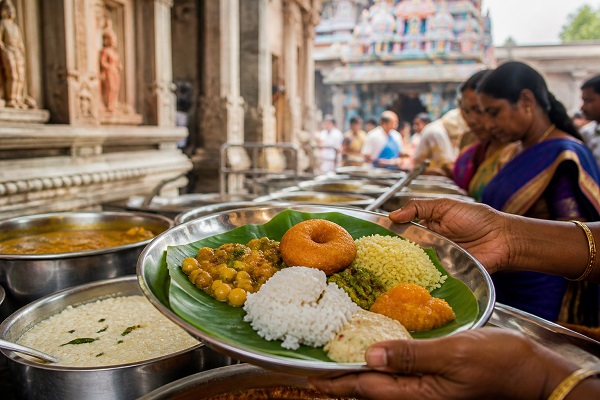
Temple food experiences are not just about eating—they are about connecting with tradition, spirituality, and community. Across India and many parts of the world, temples serve food as a sacred offering, known as prasad, which is believed to be blessed and spiritually nourishing.
From the famous laddu of Tirupati Balaji Temple to the simple yet divine meals at Golden Temple, temple food reflects purity, devotion, and cultural heritage.
The Essence of Temple Food
Temple food is typically satvik, meaning it is prepared without onion, garlic, or heavy spices. The focus is on simplicity, purity, and balance, ensuring that the food is suitable for offering to deities before being distributed to devotees.
Ingredients are fresh, seasonal, and often locally sourced. The cooking process itself is considered sacred, with strict hygiene and rituals followed during preparation.
Unique Temple Food Traditions
Different temples have their own iconic dishes:
Sweet pongal and curd rice in South Indian temples
Khichdi and halwa in North Indian temples
Mahaprasad at Jagannath Temple, cooked in earthen pots over firewood
Langar meals at Sikh temples like the Golden Temple, serving thousands daily
These dishes are not only delicious but also carry centuries-old traditions.
The Spiritual Experience
Eating temple food is a deeply spiritual act. Devotees often sit together on the floor, promoting equality and humility. There is no distinction of caste, class, or status—everyone shares the same meal.
This sense of unity is especially powerful in community kitchens like the langar system, where volunteers cook and serve food selflessly.
Temple Food as a Tourism Experience
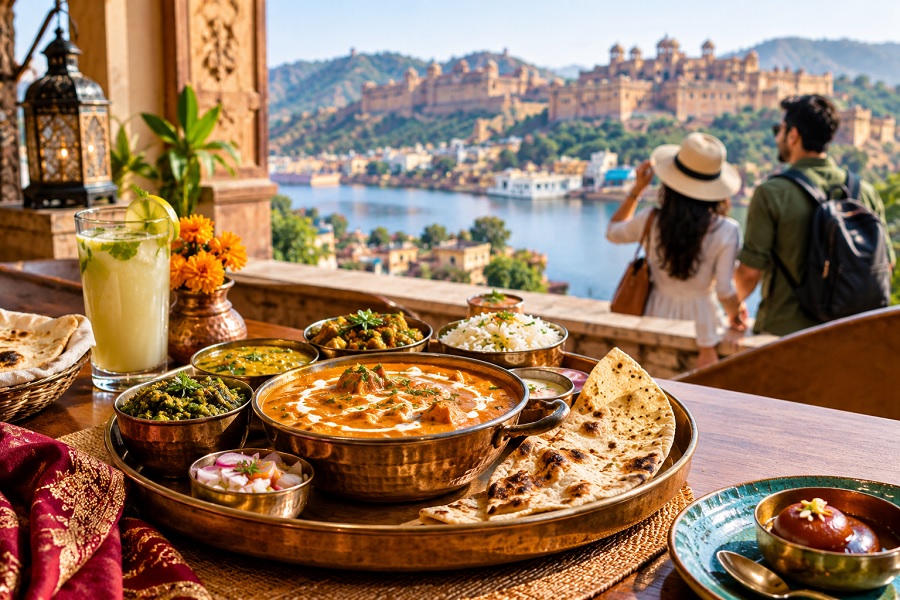
Today, temple food has become an important part of food and beverage tourism. Travelers seek authentic experiences, and temple meals offer a glimpse into local culture, rituals, and traditions.
Visitors are not just tasting food—they are participating in a sacred ritual that has been practiced for generations.
Why You Should Experience Temple Food
It offers a unique blend of spirituality and taste
You get to explore authentic regional cuisines
It promotes community bonding and equality
It is often healthy and naturally prepared
It provides a deeper understanding of cultural traditions
Final Thoughts
Temple food experiences go beyond culinary delight—they nourish the soul. Whether it’s a simple meal or a grand feast, every bite carries devotion, history, and a sense of peace.
If you are a food traveler, this is one experience you shouldn’t miss.