Food Delivery Tourism Trends: How Technology is Changing the Way We Experience Global Cuisine

Food tourism has traditionally been about traveling to new destinations and tasting local cuisines firsthand. However, with the rise of digital platforms and evolving consumer behavior, a new concept is emerging—food delivery tourism. This trend allows travelers and even non-travelers to experience global flavors through food delivery services, blending technology with culinary exploration.
What is Food Delivery Tourism?
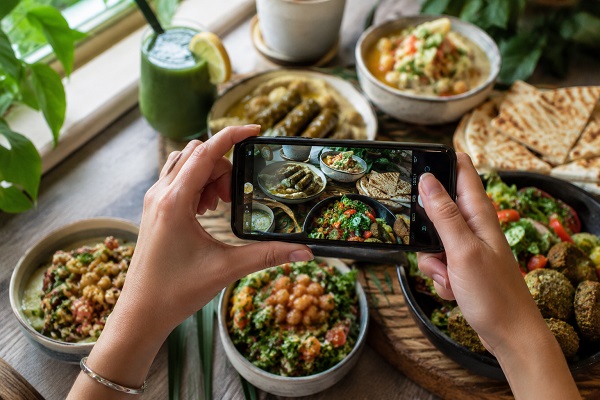
Food delivery tourism refers to the growing trend where people explore regional and international cuisines through online food delivery platforms. Whether you're ordering authentic Italian pizza, Japanese sushi, or Indian street food, technology makes it possible to enjoy diverse culinary experiences without physically traveling.
Rise of Food Delivery Apps
Platforms like Swiggy, Zomato, and Uber Eats have revolutionized the way people access food. These apps not only connect users with local restaurants but also promote global cuisines, making international dishes easily accessible.
Cloud kitchens and virtual restaurants are also playing a major role. They focus on specific cuisines and deliver high-quality food without a physical dine-in space, reducing costs and expanding reach.
Globalization of Taste
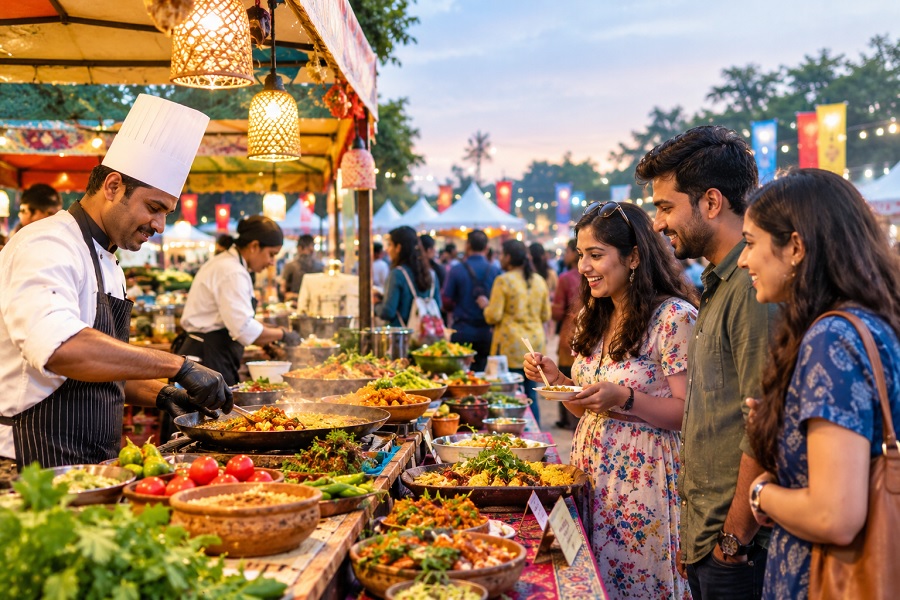
One of the biggest impacts of food delivery tourism is the globalization of taste. People are now more willing to experiment with new cuisines from different parts of the world. A person in India can enjoy Korean ramen, Mexican tacos, or French pastries from the comfort of their home.
This trend also helps small and regional food businesses reach a wider audience, boosting local economies and preserving culinary traditions.
Virtual Culinary Experiences
Food delivery tourism is not just about ordering food—it’s about the experience. Many brands now offer curated meal kits, chef-led virtual dining sessions, and themed food boxes. These experiences allow users to feel connected to a destination’s culture without leaving home.
For example, a “Japanese night” box might include sushi, miso soup, and desserts, along with cultural storytelling or preparation guides.
Sustainability & Innovation
Sustainability is becoming a key focus in this trend. Eco-friendly packaging, reduced food waste, and locally sourced ingredients are gaining importance. Many delivery platforms are also adopting green practices to appeal to environmentally conscious consumers.
Technology like AI and data analytics helps companies understand customer preferences, enabling personalized recommendations and better service.
Changing Consumer Behavior
Modern consumers value convenience, variety, and experience. Food delivery tourism perfectly aligns with these expectations. Busy lifestyles, urban living, and increased internet penetration have accelerated this trend.
Younger generations, especially millennials and Gen Z, are more inclined to explore food digitally before traveling physically. In many cases, food delivery acts as a preview of destinations they may want to visit in the future.
Future of Food Delivery Tourism
The future looks promising with innovations like drone deliveries, robotic kitchens, and immersive virtual reality dining experiences. As technology continues to evolve, food delivery tourism will become more interactive and personalized.
Restaurants and tourism boards may collaborate to promote destinations through curated food experiences, bridging the gap between digital and physical travel.
Conclusion
Food delivery tourism is redefining how we experience global cuisine. It combines the convenience of technology with the excitement of culinary exploration, making the world’s flavors accessible to everyone. While it may not replace traditional travel, it certainly enhances it by bringing cultures closer—one meal at a time.