Cultural Tourism Through Cultural Street Art
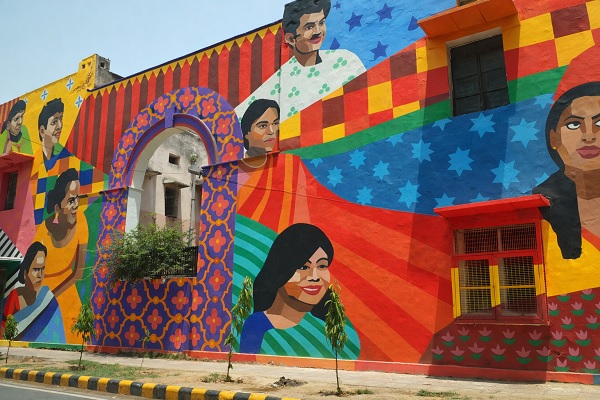
Cultural tourism is evolving beyond traditional museums and historical monuments. Today, travelers are increasingly drawn to the vibrant world of street art, where city walls, alleys, and public spaces transform into open-air galleries. Cultural street art offers a powerful way to explore local identity, creativity, and social expression, making it an exciting aspect of modern cultural tourism.
Street art reflects the voice of a community. Murals, graffiti, and urban paintings often showcase the history, struggles, and dreams of the people living in that area. Travelers who explore street art districts gain a deeper understanding of local culture, social issues, and artistic movements that shape a city's personality. From colorful murals depicting traditional stories to bold graffiti expressing political messages, every piece tells a story.
Many cities around the world have become famous for their street art scenes. Neighborhoods once overlooked are now cultural hotspots filled with stunning murals and artistic creativity. Walking tours through these areas allow visitors to discover hidden artworks, meet local artists, and learn about the meaning behind each creation. This immersive experience makes street art tourism both educational and inspiring.
Street art also plays an important role in revitalizing urban spaces. Former industrial zones, abandoned buildings, and neglected neighborhoods have been transformed into lively art districts through creative expression. These colorful spaces attract tourists, photographers, and art enthusiasts from around the world, boosting local economies and encouraging cultural exchange.
Another fascinating aspect of street art tourism is its constant evolution. Unlike traditional art galleries, street art changes frequently as new artists add fresh murals and reinterpret existing walls. This makes every visit unique, encouraging travelers to return and experience the ever-changing artistic landscape.
In addition to murals, cultural street art often includes elements of local traditions, folklore, and cultural symbols. Artists may incorporate traditional patterns, historical figures, or cultural icons into their work, blending modern urban creativity with heritage. This fusion makes street art a powerful medium for preserving and celebrating cultural identity.
For travelers seeking authentic experiences, exploring street art offers a different perspective on a destination. It allows visitors to see cities not only as tourist attractions but as living cultural canvases filled with creativity, expression, and community spirit.
As cultural tourism continues to grow, street art is becoming an essential part of urban exploration. It connects travelers with local culture, inspires creativity, and transforms ordinary streets into extraordinary cultural experiences.