Agricultural Tourism in Maharashtra: Exploring Farms, Rural Life and Local Culture

Agricultural Tourism in Maharashtra
Agricultural Tourism in Maharashtra is a growing form of rural tourism that combines farming, village life, local food, nature, and travel experiences. It gives visitors an opportunity to understand agricultural practices while enjoying peaceful rural surroundings. At the same time, it can create additional income and employment opportunities for farmers and rural communities.
Maharashtra has a dedicated Agri-Tourism Policy, and the Department of Tourism currently provides registration under the Agricultural Tourism Policy through the state's Tourism Policy 2024 framework.
What Is Agricultural Tourism?
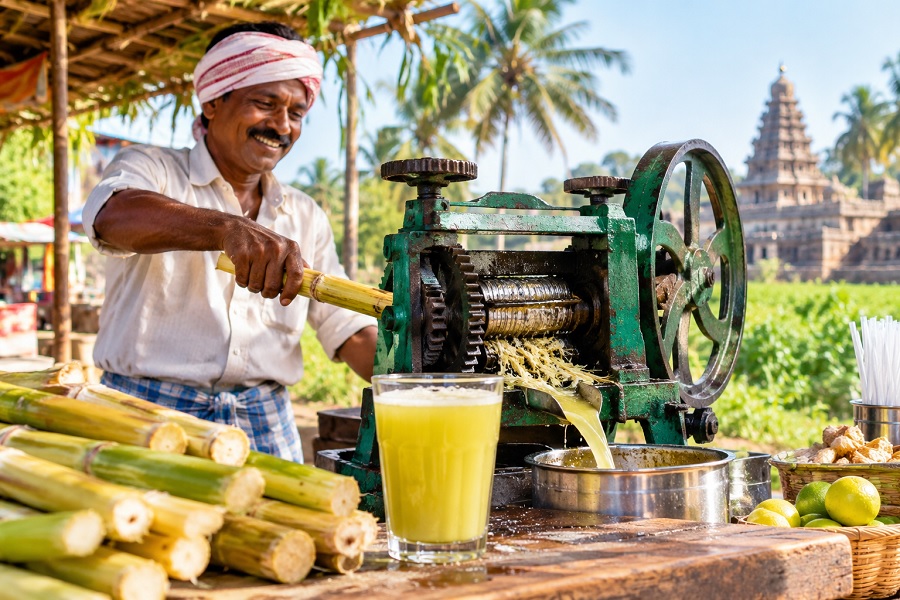
Agricultural tourism, commonly known as agri-tourism or agro-tourism, connects agricultural activities with tourism. Visitors can stay at farms, explore fields, learn about crops, enjoy locally prepared food, participate in suitable farm activities, and experience rural traditions.
Maharashtra's agri-tourism policy identifies activities such as horticulture, dairy farming, goat and sheep farming, poultry, silk production, apiculture, and fisheries as agricultural allied activities that can be connected with tourism.
The concept is designed to provide urban visitors with opportunities to experience peaceful rural environments while creating new agriculture-based business opportunities for farmers.
Why Agricultural Tourism Is Important in Maharashtra
Agriculture plays an important role in Maharashtra's rural economy. Agricultural tourism provides a way to connect farming with the tourism sector and diversify rural income.
The state's policy identifies rural development, additional agricultural business opportunities, employment generation, promotion of rural culture, and providing visitors with farm-related experiences among the objectives of agri-tourism.
Maharashtra Tourism also lists agri-tourism among its high-potential tourism circuits and highlights sustainable tourism, rural development, and community-based tourism as important objectives.
Popular Agricultural Tourism Experiences
1. Farm Visits
Farm visits allow tourists to see agricultural fields and learn how crops are cultivated. Depending on the season and farm, visitors may observe sowing, irrigation, harvesting, fruit cultivation, or other farming activities.
2. Farm Stays
Farm stays allow travelers to spend more time in rural surroundings. Visitors can combine accommodation with farm activities, local meals, nature walks, and village experiences.
The official Maharashtra tourism booking platform includes Agro Tourism/Farm Stay as an accommodation category.
3. Fruit and Orchard Tourism
Maharashtra's diverse agricultural regions provide opportunities to experience fruit cultivation. Seasonal orchard experiences can include mangoes, grapes, strawberries and other locally grown produce.
4. Dairy and Animal Farming Experiences
Some agricultural tourism centers combine farming with dairy, poultry, goat farming, sheep farming, or other livestock activities. These experiences can be particularly educational for children and students.
5. Farm-Fresh Food
Food is an important part of the agricultural tourism experience. Visitors can enjoy locally sourced ingredients and traditional Maharashtrian dishes while learning about the connection between farms and food.
6. Educational Farm Tours
Agricultural tourism can provide practical learning experiences for students. Farm visits can introduce young visitors to crops, soil, irrigation, livestock, food production, and rural lifestyles.
Maharashtra's agri-tourism policy specifically includes educational visits as part of the framework for agri-tourism centers.
Agricultural Tourism Destinations Across Maharashtra
Agricultural tourism opportunities can be developed in many rural parts of Maharashtra because the state has different agricultural landscapes and climatic regions.
Nashik
Nashik is well known for agriculture and horticulture, particularly grape cultivation. Its rural surroundings can provide opportunities for farm visits, vineyard-related experiences, local food, and countryside stays.
Pune Region
Rural areas around Pune offer opportunities for farm stays, horticulture experiences, village tourism, dairy activities, and weekend agricultural getaways.
Satara and Mahabaleshwar
The Satara region and areas around Mahabaleshwar are associated with horticulture and strawberry cultivation. Seasonal farm experiences can be combined with the region's scenic landscapes.
Konkan Region
Ratnagiri, Sindhudurg, Raigad and surrounding rural areas offer opportunities to combine agricultural experiences with the natural attractions of the Konkan region. Mango orchards, coconut cultivation, traditional village life, and local cuisine can form part of rural tourism experiences.
Vidarbha
The agricultural landscapes of Vidarbha can provide opportunities for farm-based tourism focused on crops, rural lifestyles, traditional food, and agricultural education.
Marathwada
Rural tourism in Marathwada can combine farming experiences with local traditions, village culture, traditional food, and agricultural activities.
Benefits of Agricultural Tourism
Additional Income for Farmers
Agri-tourism can provide farmers with an additional source of income beyond the sale of agricultural produce. Maharashtra's policy was created partly to develop agriculture-based business opportunities through tourism.
Rural Employment
Farm tourism can create jobs and business opportunities in accommodation, cooking, housekeeping, guiding, transportation, local activities, and farm-product sales.
Support for Local Products
Tourists can purchase farm produce, processed food, handicrafts, and other locally made products, helping money circulate within rural communities.
Agricultural Education
Visitors can learn how food is produced and gain a better understanding of farming, natural resources, and rural livelihoods.
Preservation of Rural Culture
Agricultural tourism can showcase traditional food, folk arts, farming practices, village customs, and local lifestyles.
Sustainable Tourism
Well-managed agricultural tourism can encourage responsible use of natural resources and strengthen connections between tourism, farming, and local communities.
Sustainable Agricultural Tourism
Sustainability is an important part of modern agricultural tourism. Farms can incorporate practices such as composting, rainwater harvesting, solar energy, efficient irrigation, waste management, and responsible water use.
Maharashtra Tourism's current objectives include promoting inclusive and sustainable tourism, rural development, community-based tourism, and environmentally responsible tourism models.
Government Support for Agricultural Tourism
Maharashtra was the first state in India to implement a dedicated agri-tourism policy, according to the Directorate of Tourism. The policy aims to strengthen the rural sector and provide farmers with alternative employment and income opportunities through tourism.
The current Maharashtra Tourism website continues to provide an Agri Tourism Policy and a registration service under the Agricultural Tourism Policy as part of Tourism Policy 2024.
The state's tourism policy also recognizes Agri Tourism Tourism Villages, defined around connecting agricultural production, processing, and practices with tourism. Such villages are expected to provide visitors with hands-on agricultural experiences.
Basic Requirements for Agri-Tourism Centers
Maharashtra's agri-tourism policy specifies several requirements for registered centers. Among them, agriculture must remain the main occupation and tourism should be a supplementary activity. The policy also specifies agricultural land requirements and basic visitor facilities such as food, clean drinking water, toilets, and other amenities.
The policy also provides accommodation guidelines based on agricultural land area and allows certain facilities for school groups and larger visitor groups, subject to the applicable conditions and permissions.
Anyone planning to establish an agri-tourism center should check the latest requirements, permissions, registration conditions, and applicable rules with the Maharashtra Department of Tourism before starting operations.
Agricultural Tourism for Families
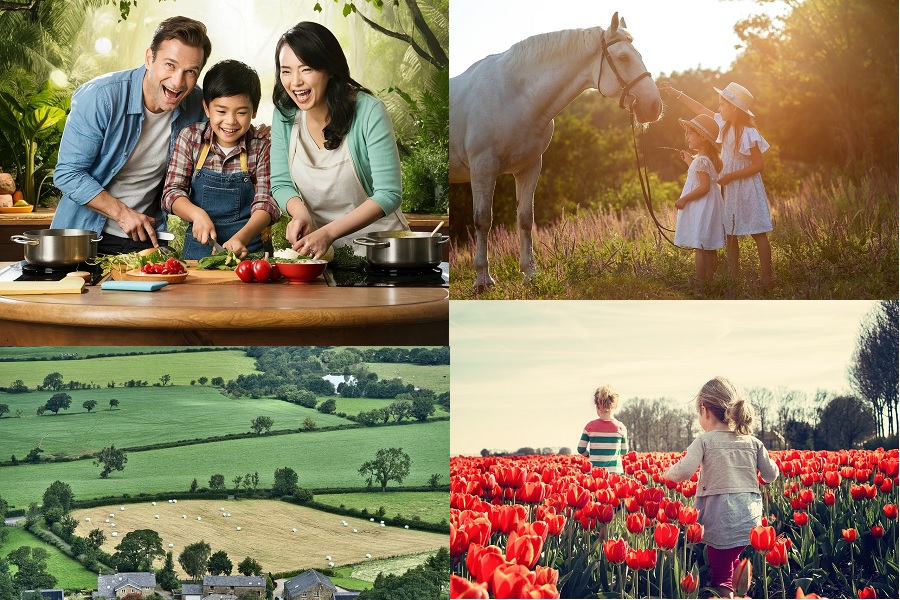
Agricultural tourism is an attractive option for families looking for a break from city life. Children can observe crops, learn about farming, experience village surroundings, and understand how food reaches the table.
Parents can combine a farm stay with outdoor activities, traditional meals, nature walks, and educational experiences.
Agricultural Tourism for Students
Farm visits can complement classroom education with practical experiences. Students can learn about:
Crop cultivation
Soil conservation
Irrigation
Horticulture
Dairy farming
Poultry farming
Organic farming
Farm machinery
Food production
Biodiversity
Rural traditions
Sustainable agriculture
This makes agricultural tourism useful for educational trips and experiential learning.
Agricultural Tourism and Local Food
Local food can be one of the most memorable parts of a farm tourism experience. Fresh vegetables, fruits, grains, dairy products, and traditional ingredients can be incorporated into meals.
Maharashtrian rural cuisine can add cultural value to the experience by introducing visitors to regional recipes and traditional cooking methods.
Future of Agricultural Tourism in Maharashtra
The future of agricultural tourism in Maharashtra is closely linked with experiential travel, rural entrepreneurship, sustainability, farm stays, local food, and digital tourism promotion.
The state's tourism policy places emphasis on developing high-potential tourism circuits, rural development, community participation, infrastructure, and digital tools.
The concept of agricultural tourism villages can further strengthen the connection between farming, local communities, education, and tourism.
As travelers increasingly look for authentic experiences outside crowded tourist destinations, well-managed farm stays and agricultural tourism centers can offer a meaningful alternative to conventional vacations.
Tips for Travelers
Before visiting an agricultural tourism center, travelers should:
Check whether advance booking is required.
Confirm accommodation and meal facilities.
Ask which farm activities are available during the season.
Follow farm safety instructions.
Respect crops, animals, and private farming areas.
Carry suitable clothing and footwear for outdoor activities.
Avoid unnecessary plastic and dispose of waste responsibly.
Purchase local farm products when possible.
Respect local customs and village communities.
Check the center's registration and available facilities before booking.
Conclusion
Agricultural Tourism in Maharashtra offers a unique combination of farming, rural culture, nature, food, education, and hospitality. It gives travelers an opportunity to experience village life while supporting farmers and local communities.
With a dedicated agri-tourism policy and continued emphasis on rural and sustainable tourism, Maharashtra has a strong foundation for developing agricultural tourism. Farm stays, orchard visits, educational farm tours, local cuisine, and hands-on agricultural experiences can make rural travel more meaningful for families, students, couples, and individual travelers.
When developed responsibly, agricultural tourism can benefit both travelers and farming communities, creating memorable rural experiences while contributing to local economic development.