Smart Tourism and Digital Travel in India: How Technology Is Transforming Travel
Smart Tourism and Digital Travel in India: How Technology Is Transforming Travel Experiences
Introduction
Smart tourism and digital travel are changing the way people explore India. From online ticket booking and digital payments to AI-powered travel assistants, virtual tours, digital maps, and smart destination services, technology is becoming an important part of modern tourism.
India has a wide range of tourism experiences, including heritage sites, religious destinations, beaches, wildlife reserves, hill stations, cultural attractions, and adventure destinations. Digital tools can make these experiences easier to discover, plan, access, and share.
Smart tourism combines technology, tourism services, data, and sustainable practices to create more convenient and connected travel experiences for visitors.
What Is Smart Tourism?
Smart tourism refers to the use of modern technologies to improve tourism services and visitor experiences. It can include mobile applications, artificial intelligence, digital maps, online reservations, QR-code information systems, smart transportation, digital payments, and destination-management technologies.
The goal is to make travel more convenient while helping tourism destinations manage visitors, resources, and services more effectively.
What Is Digital Travel?
Digital travel means using online platforms and digital devices throughout the travel journey. Travellers can research destinations, compare hotels, book transportation, purchase tickets, navigate cities, make payments, translate languages, and share travel experiences through digital tools.
A typical digital travel journey may include:
Searching for destinations online
Comparing travel options
Booking flights, trains, buses, or hotels
Purchasing attraction tickets online
Using digital maps for navigation
Making cashless payments
Accessing digital guides
Using translation applications
Sharing photographs and reviews online
Major Technologies Supporting Smart Tourism in India
1. Artificial Intelligence
Artificial intelligence can help travellers discover destinations, create itineraries, answer travel questions, and provide personalized recommendations.
AI-based systems can analyze travel preferences and suggest attractions, restaurants, activities, and routes according to a traveller's interests.
2. Mobile Travel Applications
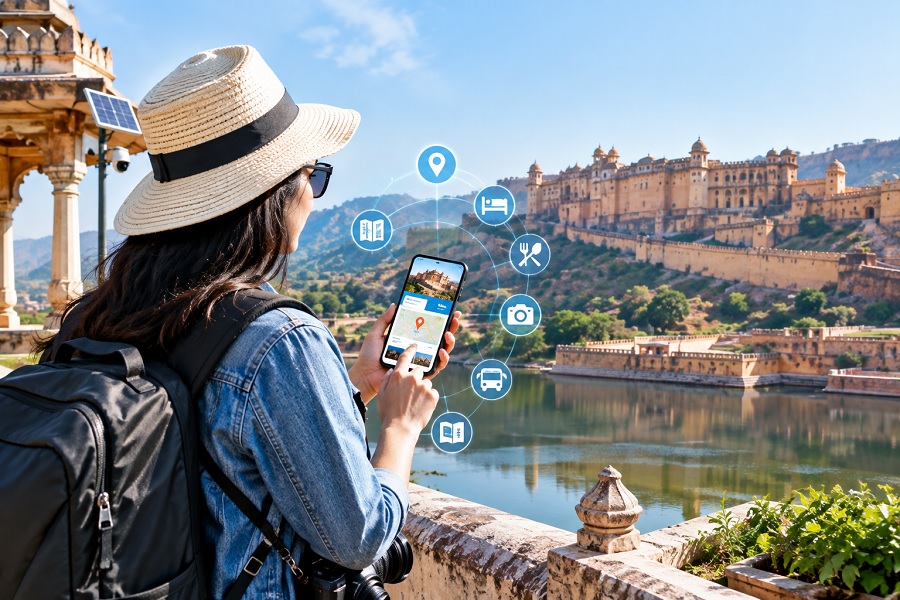
Mobile apps have become useful travel companions. Travellers can use them for transportation, accommodation, maps, restaurant discovery, ticketing, weather information, and destination information.
Having several travel services available through smartphones can simplify trip planning.
3. Digital Payments
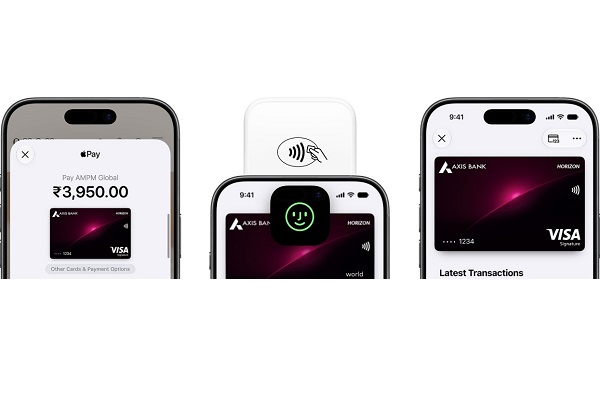
Digital payment systems have made transactions easier for many travellers. Visitors can use digital payment methods for hotels, restaurants, transportation, shopping, attractions, and other tourism services where accepted.
Cashless transactions can also reduce the need to carry large amounts of physical currency.
4. QR Codes
QR codes can provide quick access to information about monuments, museums, attractions, exhibitions, and cultural sites.
A visitor can scan a code using a smartphone and access information such as history, photographs, audio guides, or additional destination details.
5. Digital Maps and Navigation
Digital maps help travellers find attractions, hotels, transportation points, restaurants, hospitals, shopping areas, and other important locations.
Navigation technology is particularly useful for visitors exploring unfamiliar cities and rural destinations.
6. Virtual Reality and Augmented Reality
Virtual reality can allow people to experience digital versions of destinations before travelling.
Augmented reality can add digital information to physical surroundings through smartphones or compatible devices. It can potentially make visits to museums, monuments, and heritage locations more interactive.
7. Cloud-Based Tourism Services
Cloud technology allows tourism organizations and service providers to manage information and services digitally.
It can support booking systems, customer information, destination management, online ticketing, and tourism analytics.
How Smart Tourism Helps Indian Travellers
Easier Trip Planning
Travellers can research destinations, accommodation, transportation, attractions, and activities from home.
Faster Booking
Digital platforms can make it easier to reserve transportation, hotels, tours, and attraction tickets.
Better Navigation
GPS-based navigation helps visitors move around unfamiliar destinations and identify nearby services.
Personalized Experiences
Digital platforms can recommend travel experiences based on interests such as heritage, food, nature, adventure, shopping, or wellness.
Convenient Payments
Digital payment options can make transactions more convenient during domestic travel.
Easy Access to Information
Digital guides can provide information about destinations, opening hours, attractions, routes, and local experiences.
Smart Tourism and Indian Heritage Destinations
Technology can play an important role in making heritage tourism more interactive.
Visitors to historic monuments, museums, forts, palaces, and cultural attractions can benefit from:
Digital information boards
QR-based guides
Audio guides
Virtual tours
Interactive displays
Digital ticketing
Multilingual information
Online visitor information
These technologies can help younger travellers connect with India's history and cultural heritage.
Smart Tourism for Religious Travel
India has numerous pilgrimage destinations visited by travellers throughout the year. Digital services can simplify pilgrimage planning through online information, digital booking systems, route planning, crowd-management tools, and cashless services.
Digital information can also help visitors understand temple traditions, local attractions, transportation options, and accommodation facilities.
Smart Tourism in Wildlife and Nature Destinations
Technology can support nature tourism through digital permits, online bookings, GPS navigation, wildlife information, weather updates, and responsible-tourism awareness.
Digital visitor-management systems can also help destinations monitor tourism activity and manage visitor flows.
Digital Travel and Sustainable Tourism
Smart tourism is not only about convenience. Technology can also support sustainable tourism.
Digital systems can help reduce paper use through electronic tickets and online information. Destination managers can use data to understand visitor patterns and manage overcrowding.
Technology can also encourage responsible tourism by providing information about waste management, conservation, local communities, protected areas, and environmentally responsible travel practices.
Smart Transportation and Tourism
Transportation is an important part of the tourism experience. Digital travel tools can help visitors plan journeys using trains, buses, flights, taxis, metro systems, and other transportation services.
Real-time information can help travellers understand routes, schedules, delays, and connections where such services are available.
Smart transportation can make movement between airports, railway stations, hotels, attractions, and city centers more organized.
Digital Hotels and Accommodation
Hotels and other accommodation providers are increasingly using digital technologies to improve guest services.
Examples include:
Online reservations
Digital check-in systems
Mobile booking management
Digital room-service requests
Smart-room features
Online customer support
Digital payment options
Personalized guest communication
These services can reduce waiting times and provide greater convenience for travellers.
Social Media and Digital Tourism
Social media has become an important source of travel inspiration. Travellers often discover destinations through photographs, short videos, travel blogs, reviews, and creator content.
Tourism destinations can use digital platforms to showcase:
Local attractions
Festivals
Food
Cultural traditions
Nature
Adventure activities
Local handicrafts
Seasonal experiences
However, travellers should verify important information such as prices, opening hours, permits, and travel restrictions through reliable sources before making plans.
Digital Travel for International Tourists Visiting India
International visitors can use digital travel services for destination research, navigation, accommodation bookings, transportation planning, translation, currency information, and communication.
Multilingual digital content can make Indian destinations easier to understand for visitors from different countries.
Digital information about cultural etiquette, local customs, transportation, and responsible tourism can also improve the visitor experience.
Challenges of Smart Tourism in India
Despite its potential, digital tourism also faces several challenges.
Digital Divide
Not every traveller has the same access to smartphones, high-speed internet, or digital services.
Connectivity Issues
Remote tourist destinations may have limited network connectivity, making some digital services difficult to use.
Data Privacy
Tourism platforms may handle personal information. Strong privacy and security practices are therefore important.
Digital Literacy
Some travellers may require assistance when using online booking, digital payment, or app-based services.
Information Accuracy
Online tourism information can sometimes become outdated. Travellers should check important details through official or reliable sources.
Cybersecurity
Travel accounts and payment systems should be protected with strong passwords, secure authentication, and careful online practices.
Tips for Travellers Using Digital Tourism Services
Travellers can follow a few simple practices:
Download important travel information before starting the journey.
Keep digital and physical copies of important documents where appropriate.
Use reliable booking platforms.
Verify important information through official sources.
Avoid sharing sensitive information unnecessarily.
Use secure payment methods.
Keep phones and travel apps updated.
Carry a power bank for longer journeys.
Download offline maps when travelling to areas with weak connectivity.
Keep emergency contact information easily accessible.
Future of Smart Tourism in India
The future of Indian tourism is expected to involve greater integration of artificial intelligence, digital payments, smart transportation, immersive technologies, real-time information, and data-driven destination management.
Future tourism experiences may increasingly include personalized itineraries, AI travel assistants, immersive heritage experiences, intelligent visitor-management systems, contactless services, and more connected destinations.
At the same time, technology will need to remain inclusive. Digital tourism should complement human interaction and local experiences rather than replace the cultural character of destinations.
Why Smart Tourism Matters for India's Tourism Industry
Smart tourism can connect travellers with destinations more efficiently. It can help tourism businesses reach customers online, provide faster services, collect useful operational information, and promote local attractions.
For travellers, the biggest advantages can include convenience, information accessibility, easier planning, and connected travel experiences.
For destinations, digital technology can support visitor management, promotion, sustainability initiatives, and service improvement.
Conclusion
Smart Tourism and Digital Travel in India represent an important part of the country's evolving tourism landscape. Smartphones, artificial intelligence, digital payments, online booking, navigation systems, QR codes, virtual experiences, and other technologies are changing how people plan and experience travel.
As India's tourism ecosystem becomes increasingly digital, the combination of technology, responsible travel, local culture, and human hospitality can create more connected and accessible tourism experiences.
The future of Indian tourism will not simply be about travelling to a destination. It will increasingly involve a digital journey that begins before departure, continues throughout the trip, and remains connected after travellers return home.