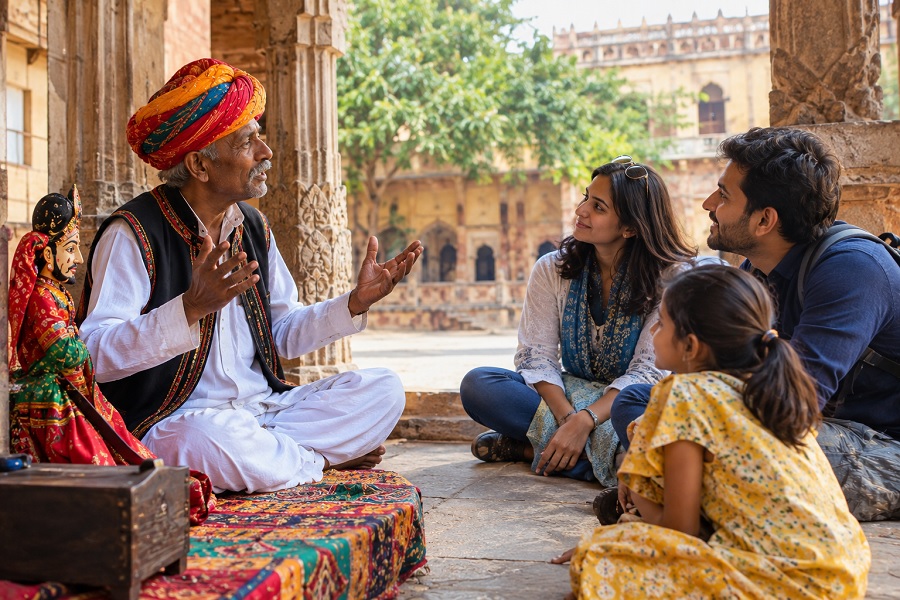
Traditional Navratri Jewellery Shopping: Discover Handmade Ornaments and Festive Accessories
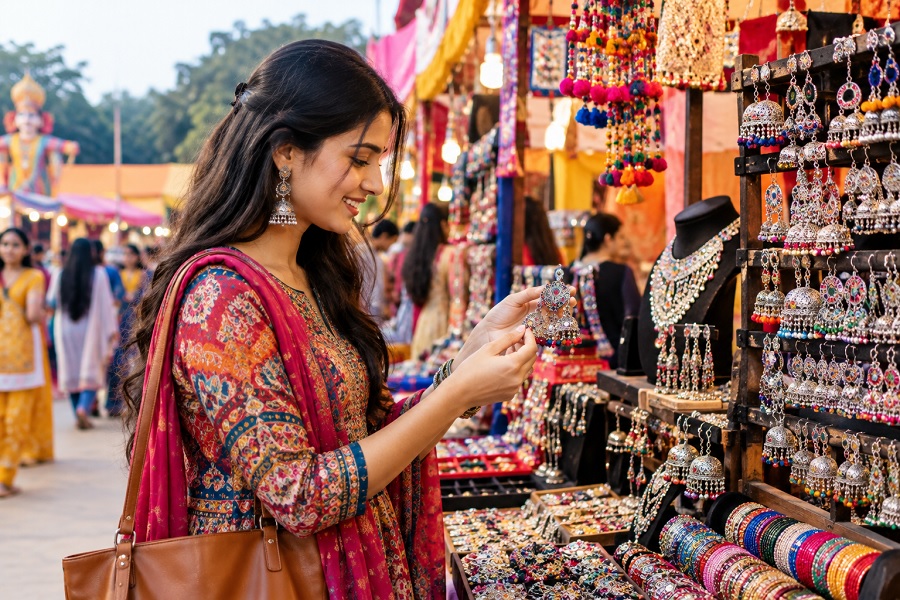
Navratri Handicraft Tourism: Shopping for Traditional Jewellery and Accessories in 2026
Introduction
Navratri is one of India's most vibrant cultural festivals, celebrated through devotional rituals, traditional music, Garba, Dandiya Raas, and colourful ethnic fashion. Along with its religious significance, the festival creates opportunities for travellers to discover India's traditional handicrafts, handmade jewellery, embroidered accessories, and regional artisan markets.
Navratri handicraft tourism combines cultural exploration with shopping experiences. Visitors can explore local bazaars, meet traditional craftspeople, learn about regional jewellery-making techniques, and purchase unique accessories that reflect India's diverse artistic heritage.
In 2026, Gujarat's Navratri celebrations are scheduled for October 11–20 according to Gujarat Tourism's official festival information. Ahmedabad and Vadodara are prominent destinations for Garba celebrations, while artisan markets and handicraft stalls offer visitors opportunities to explore regional craftsmanship.
From oxidised silver-style jewellery and colourful bangles to embroidered bags, mirror-work accessories, and traditional earrings, Navratri shopping offers something for different tastes and budgets.
What Is Navratri Handicraft Tourism?
Navratri handicraft tourism is a form of cultural tourism that focuses on discovering and purchasing traditional handmade products associated with Navratri celebrations and regional Indian craftsmanship.
It brings together travel, shopping, local culture, and artisan livelihoods. Visitors can explore traditional markets, attend craft demonstrations where available, and learn how regional materials, designs, and techniques influence jewellery and accessories.
This experience is particularly appealing to travellers who want to take home more than ordinary souvenirs. Handmade products often reflect local traditions, artistic skills, and the cultural identity of the communities that create them.
Best Traditional Jewellery to Buy During Navratri
1. Oxidised Jewellery
Oxidised-style jewellery is a popular choice for Garba and Dandiya outfits. Its antique-inspired finish pairs well with colourful chaniya cholis, embroidered blouses, kurtas, and other ethnic clothing.
Visitors can look for statement necklaces, jhumka earrings, chunky bracelets, rings, and layered jewellery sets. When shopping, check the material, finish, fastening, and whether the product is handmade or machine-produced.
2. Traditional Silver Jewellery
Traditional silver jewellery offers a distinctive look for people interested in regional Indian designs. Depending on the market, visitors may find necklaces, anklets, earrings, pendants, and decorative bracelets.
Rajasthan has a long-established jewellery tradition, with regional styles and techniques that vary across communities. Jaipur is particularly associated with Kundan and Meenakari jewellery.
Buyers purchasing genuine silver should check the stated purity, hallmarking where applicable, seller credentials, and itemised bill.
3. Kundan and Meenakari Jewellery
Kundan jewellery is known for its decorative stone settings, while Meenakari involves colourful enamel decoration. These styles can complement festive outfits and traditional occasion wear.
Jaipur is a notable destination for exploring these jewellery traditions. Visitors can compare designs at established jewellery shops and specialist markets.
Before purchasing an expensive piece, ask about the materials, craftsmanship, authenticity, return policy, and any available certification.
4. Beaded Necklaces and Handmade Accessories
Beadwork is an important part of Gujarat's wider craft heritage. Traditional beadwork and embroidered textiles are represented in the state's handicraft traditions.
Beaded necklaces, earrings, bracelets, and decorative accessories can add colour to Navratri clothing. These products may feature combinations of beads, threads, fabric, and metal components.
Travellers can look for handmade designs that coordinate with their outfits while supporting independent artisans and small craft businesses.
5. Colourful Bangles and Bracelets
Bangles are a classic accessory for festive clothing. Glass, lac, metal, and decorated bangles can be found in different styles depending on the region and seller.
Visitors may explore colourful sets that match traditional Garba outfits or select simpler designs for everyday use.
Check for sharp edges, loose decorations, and fragile components before buying. If you intend to dance for several hours, choose comfortable accessories that are unlikely to interfere with movement.
6. Traditional Earrings and Jhumkas
Jhumkas and statement earrings are popular choices for ethnic festival styling. They are available in lightweight everyday designs as well as larger decorative pieces.
Look for secure clasps, comfortable weight, and smooth edges. For extended Garba sessions, lightweight earrings may be more practical than oversized designs.
7. Thewa Art Jewellery
Thewa is a distinctive Rajasthani art form involving intricate gold work combined with glass. It has a recognised heritage and a GI tag, and Thewa jewellery is among the craft's notable products.
Visitors interested in specialised traditional jewellery can explore authentic Thewa products through reputable sellers and craft outlets.
Ask about the origin of the piece, the technique used, materials, and authenticity documentation before making a significant purchase.
Navratri Accessories Worth Exploring
Traditional jewellery is only one part of the festive shopping experience. Travellers can also discover a variety of handmade and decorative accessories.
Embroidered Bags and Potlis
Small embroidered bags and potlis complement festive outfits and are useful for carrying essentials. Look for mirror work, colourful thread embroidery, bead decoration, and regional textile patterns.
Mirror-Work Accessories
Mirror work is associated with several traditional textile crafts in western India. Visitors may find embroidered bags, hair accessories, belts, and decorative pieces featuring reflective elements.
Inspect the stitching and attachment of mirrors to ensure the item is durable enough for regular use.
Handmade Hair Accessories
Decorative hairpins, floral accessories, embellished clips, and traditional hair ornaments can complete a festive look. Choose items that are comfortable and securely finished.
Embroidered Footwear
Decorated juttis and other traditional footwear can complement Navratri outfits. Check the sole, stitching, fit, and comfort before purchasing, especially if you plan to dance or walk for long periods.
Dandiya Sticks and Decorative Items
Some festival markets sell decorated Dandiya sticks and other festive accessories. Look for smooth finishes, secure decoration, and a comfortable grip.
Follow the event organiser's rules about permitted items and avoid accessories that could injure other participants.
Best Destinations for Navratri Handicraft Shopping
1. Ahmedabad, Gujarat
Ahmedabad is a major destination for Navratri celebrations, with Garba events, cultural programmes, and opportunities to explore Gujarati handicrafts.
Travellers can look for traditional jewellery, embroidered accessories, beadwork, and festive clothing in established markets and artisan outlets. Gujarat Tourism's Vibrant Navratri Festival information also highlights a handicraft bazaar among the festival attractions for 2026.
Plan shopping visits around event timings and check local transport arrangements during busy festival evenings.
2. Vadodara, Gujarat
Vadodara is well known for its Navratri celebrations and traditional Garba culture. Visitors can combine festival experiences with shopping for ethnic clothing, jewellery, and decorative accessories.
Explore established shops and local markets, and compare quality and prices before purchasing. Confirm current market hours and transport options during the festival.
3. Jaipur, Rajasthan
Jaipur is an excellent destination for travellers interested in traditional jewellery and decorative crafts. The city is associated with Kundan and Meenakari jewellery, while Rajasthan more broadly offers a wide range of traditional crafts and textiles.
Visitors can combine shopping with heritage walks, historic architecture, and local cultural experiences.
4. Udaipur, Rajasthan
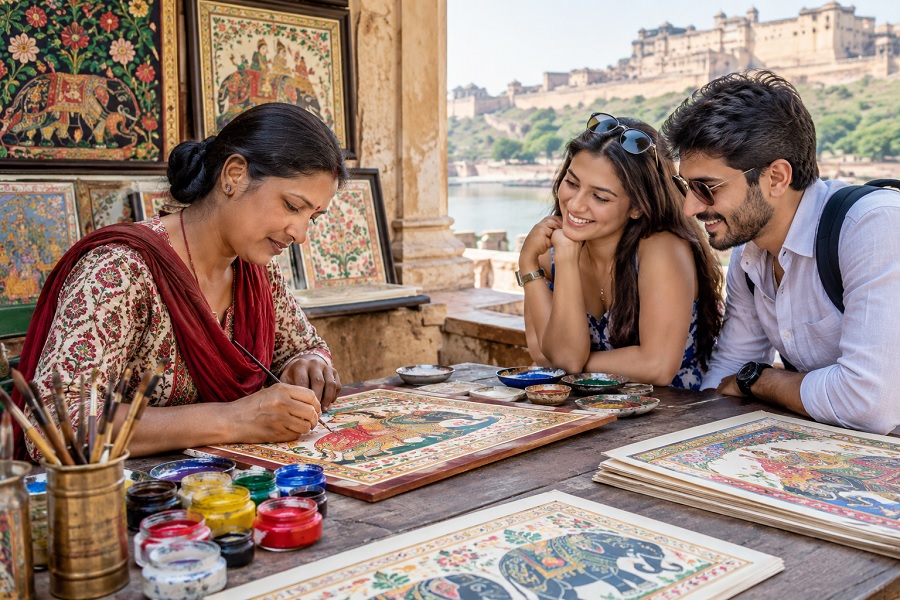
Udaipur offers a combination of heritage tourism, traditional markets, and regional handicrafts. Visitors may explore jewellery, embroidered accessories, miniature paintings, and other locally available craft products.
Choose reputable sellers and ask about the materials and production methods of handmade items.
5. Local Artisan Markets and Festival Bazaars
Travellers do not need to visit a major tourist city to enjoy handicraft shopping. Local markets, temporary festival bazaars, artisan exhibitions, and community craft events may offer handmade jewellery and accessories closer to home.
Check event listings before travelling, as temporary stalls and craft exhibitions may operate only on specific dates.
How to Plan a Navratri Handicraft Shopping Tour
Step 1: Research the Destination
Choose a destination based on the type of handicrafts you want to explore. Research market locations, opening hours, transport, festival programmes, and any entry requirements.
Step 2: Set a Shopping Budget
Separate your budget into categories such as jewellery, clothing accessories, food, transport, and cultural activities.
Handmade products can vary considerably in price according to materials, labour, complexity, and the reputation of the seller.
Step 3: Look for Authentic Craftsmanship
Ask whether an item is handmade, where it was produced, and which materials or techniques were used.
For expensive products, seek appropriate receipts, certificates, or other supporting documentation. Avoid assuming that every item sold in a traditional market is handmade or locally produced.
Step 4: Compare Quality and Prices
Compare similar products across several sellers. Inspect clasps, stitching, finishing, material quality, and durability.
For jewellery sold as precious metal, verify the stated purity and any applicable hallmarking rather than relying only on appearance.
Step 5: Support Local Artisans
Where possible, buy directly from artisans, recognised craft cooperatives, or reputable outlets that explain the origin of their products.
Purchasing responsibly can help sustain traditional skills and create income opportunities for craftspeople.
Step 6: Combine Shopping With Cultural Activities
Make the shopping experience part of a wider cultural itinerary. Attend a Garba performance, explore local architecture, enjoy regional vegetarian food, or visit a craft demonstration where available.
Check festival schedules in advance and allow sufficient time for travel between venues.
Tips for Shopping Safely During Navratri
Navratri markets can become crowded, particularly near popular Garba venues and shopping streets.
Carry only the cash and cards you need.
Keep your phone, wallet, and purchased items secure.
Check prices and product details before paying.
Request receipts for valuable purchases.
Verify return and exchange policies.
Use reputable payment methods and avoid suspicious payment links.
Keep fragile jewellery and accessories packed securely.
Follow local traffic, crowd-management, and event instructions.
Check the weight and comfort of accessories before wearing them for long periods.
If you are visiting an unfamiliar destination, plan your return journey before attending evening celebrations.
Sustainable and Responsible Navratri Shopping
Responsible shopping helps preserve cultural traditions while reducing unnecessary waste.
Choose durable accessories that can be reused beyond the festival. Consider products made with responsibly sourced materials and avoid purchasing items that falsely claim to be handmade or locally produced.
Reusable bags, minimal packaging, and purchases from transparent artisan businesses can make shopping more sustainable.
Traditional handicrafts are not merely decorative products. They represent skills, knowledge, and cultural practices passed between generations. Supporting genuine craftsmanship helps maintain the connection between tourism and living cultural heritage.
The Role of Navratri Handicraft Tourism in Local Economies
Festival tourism creates opportunities for artisans, retailers, textile makers, jewellery sellers, food businesses, transport providers, and cultural event organisers.
During Navratri, demand for festive outfits and accessories can increase shopping activity in selected markets. Recent reporting on Gujarat's Navratri celebrations describes a wider seasonal economy involving fashion retailers, performers, beauty services, and event businesses.
For smaller craft businesses, festival markets can provide access to new customers. Tourism also gives visitors an opportunity to learn about traditional production techniques and the cultural significance of regional designs.
Responsible tourism can strengthen these connections by encouraging fair purchasing practices and respect for artisan communities.
Conclusion
Navratri handicraft tourism offers a colourful way to experience India's cultural heritage through traditional jewellery, handmade accessories, textiles, and artisan markets.
From beadwork and festive bangles in Gujarat to Kundan, Meenakari, and Thewa jewellery associated with Rajasthan, travellers can explore a rich variety of regional craftsmanship. Ahmedabad, Vadodara, Jaipur, and Udaipur are useful destinations to consider when planning a cultural shopping trip.
By researching markets, comparing product quality, supporting reputable artisans, and combining shopping with cultural activities, visitors can enjoy a more meaningful Navratri experience in 2026.
The best souvenir is one that reflects the place you visited, respects the people who made it, and allows you to carry a piece of India's artistic heritage home.