Navratri Cultural Photography Guide 2026: Capturing India's Colourful Festival Celebrations
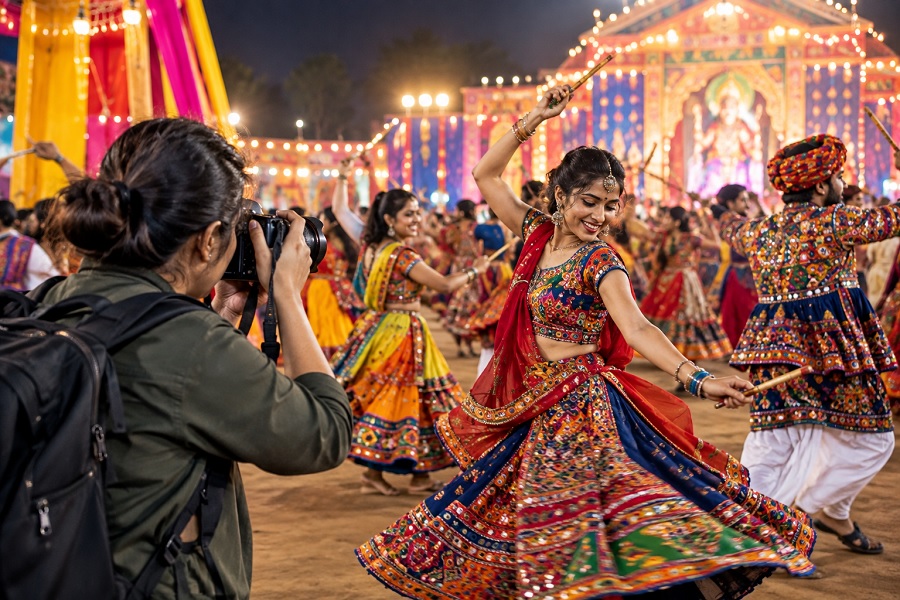
Navratri Festival Photography Tours: Capturing Colourful Cultural Celebrations
Introduction
Navratri is one of India's most vibrant cultural festivals, celebrated with traditional dances, devotional music, colourful clothing, beautifully decorated venues, and community gatherings. For photography enthusiasts and travellers, Navratri offers a wonderful opportunity to explore India's cultural heritage while capturing memorable moments through a camera.
Navratri festival photography tours combine cultural tourism with photography experiences. These tours allow visitors to discover famous Garba and Dandiya celebrations, traditional decorations, regional costumes, local handicrafts, temple architecture, and the festive atmosphere of different destinations.
From the energetic Garba nights of Gujarat to the artistic Durga Puja celebrations of West Bengal, Navratri provides countless opportunities for cultural photography. With thoughtful planning, travellers can document the traditions, creativity, and community spirit that make these celebrations special.
1. Why Choose Navratri Festival Photography Tours?
Navratri photography tours offer more than opportunities to take colourful pictures. They help travellers understand regional traditions, meet local communities, explore heritage locations, and appreciate the cultural significance of the festival.
Photographers can capture traditional dance performances, intricate embroidery, decorative lights, festive markets, and artistic installations. Visitors can also learn about local customs and the stories behind different celebrations.
These tours are suitable for professional photographers, photography students, travel bloggers, content creators, and visitors interested in Indian culture.
2. Best Destinations for Navratri Photography
Gujarat: Garba and Dandiya Celebrations
Gujarat is among the most popular destinations for Navratri cultural photography. Cities such as Ahmedabad, Vadodara, Surat, and Rajkot are known for their lively Garba and Dandiya celebrations.
Photographers can capture colourful traditional outfits, coordinated dance formations, musicians, decorated venues, and the energy of community celebrations. Close-up photographs of mirror-work garments, embroidered accessories, and traditional jewellery can also highlight Gujarat's rich textile heritage.
Kolkata: Durga Puja Photography
Kolkata is famous for its elaborate Durga Puja celebrations, artistic pandals, creative lighting, and community festivities during the wider Navratri season.
Photography opportunities include pandal architecture, idol craftsmanship, traditional decorations, street scenes, and cultural performances. Visitors can explore different neighbourhoods to understand how art, religion, and community participation shape the celebrations.
Maharashtra: Garba and Dandiya Events
Mumbai, Pune, and other cities in Maharashtra host Navratri events featuring music, dance, and traditional attire. These celebrations provide opportunities to photograph group dances, stage decorations, festive fashion, and community gatherings.
Travellers should check event schedules and photography rules before visiting organised venues.
Rajasthan: Traditional Culture and Festive Colours
Rajasthan offers opportunities to explore traditional textiles, jewellery, folk music, and historic architecture during the festive season. Depending on local events, photographers may capture cultural performances, decorated temples, colourful markets, and regional clothing.
Delhi: Ramlila and Festive Celebrations
Delhi offers a mix of religious events, Ramlila performances, decorative installations, and community celebrations. Photographers interested in storytelling can document the preparation, performances, costumes, and public participation associated with these events.
3. What to Photograph During Navratri
Navratri presents a wide range of subjects for travel and cultural photography.
Traditional Garba and Dandiya: Capture dance movements, group formations, and the atmosphere of the celebrations.
Festive Fashion: Photograph colourful Chaniya Cholis, traditional dresses, embroidered fabrics, and accessories.
Handicrafts and Jewellery: Highlight mirror work, beadwork, embroidery, bangles, and handmade decorations.
Festival Decorations: Document lighting arrangements, colourful backdrops, flowers, and venue designs.
Musicians and Performers: Capture traditional instruments, singers, and performers during cultural events.
Temple Architecture: Photograph architectural details and decorations where photography is permitted.
Local Markets: Record the colours, products, and activities of markets selling festive clothing and accessories.
Community Moments: Document preparations, family gatherings, and shared celebrations respectfully.
A balanced photography collection should include wide-angle scenes, portraits where permission is granted, close-up details, and photographs that communicate the overall atmosphere.
4. Photography Tips for Navratri Festival Tours
Festival environments can be crowded, colourful, and challenging to photograph. A few practical techniques can help visitors achieve better results.
Use the Right Camera Settings
Garba events often take place in the evening or at night. A camera with good low-light performance can help capture movement and details. A wider aperture and an appropriate shutter speed can improve results, while increasing ISO may help in darker environments.
For fast-moving dancers, use a sufficiently fast shutter speed to reduce motion blur. Experiment with different settings depending on available light and the effect you want to create.
Make the Most of Festival Lighting
Decorative lights create dramatic backgrounds and colourful scenes. Avoid relying only on direct flash, as it can produce harsh shadows and disturb performers. Where permitted, use available light or suitable camera equipment to maintain the natural atmosphere.
Capture Both Wide Shots and Details
Wide photographs show the scale of the celebration, while close-ups reveal the craftsmanship of clothing, jewellery, decorations, and traditional instruments.
Combining both styles makes a travel photography collection more informative and visually engaging.
Plan Your Photography Schedule
Popular events can become crowded, particularly during peak festival evenings. Arrive early when possible, identify suitable viewpoints, and leave enough time to explore nearby markets or heritage attractions.
Check the event timings and venue rules before travelling.
5. Cultural Etiquette and Responsible Photography
Respect is essential when photographing religious and cultural celebrations. Travellers should ask permission before taking close-up portraits or photographing people in sensitive situations.
Some temples, festival venues, and performance areas restrict cameras, flash photography, tripods, or commercial filming. Always follow the organisers' rules and any instructions from local authorities.
Avoid blocking walkways, interrupting performances, or standing in areas reserved for worshippers and performers. Do not use drones without the required permissions.
When publishing photographs online or using them for commercial purposes, obtain appropriate consent where needed and respect privacy, copyright, and event photography policies.
6. Combining Photography with Cultural Tourism
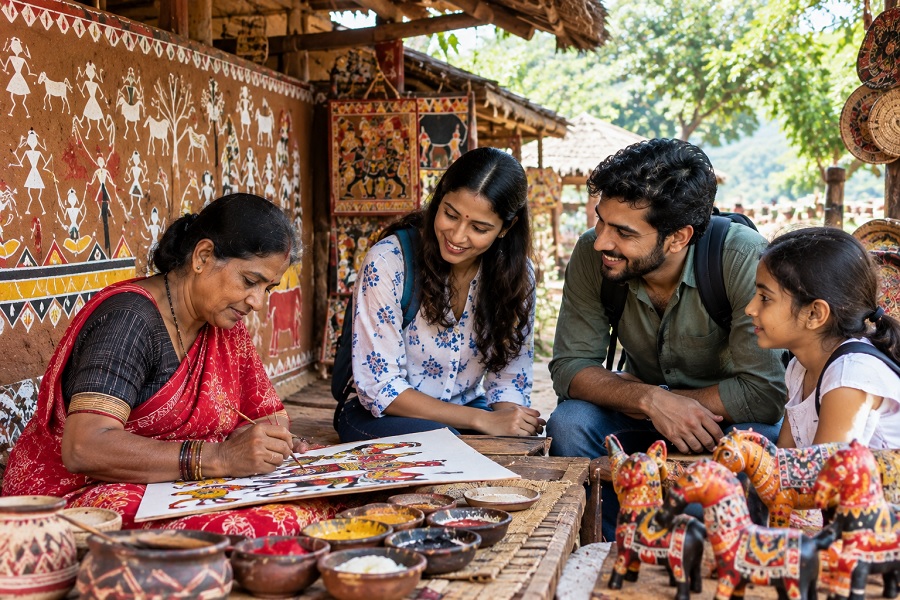
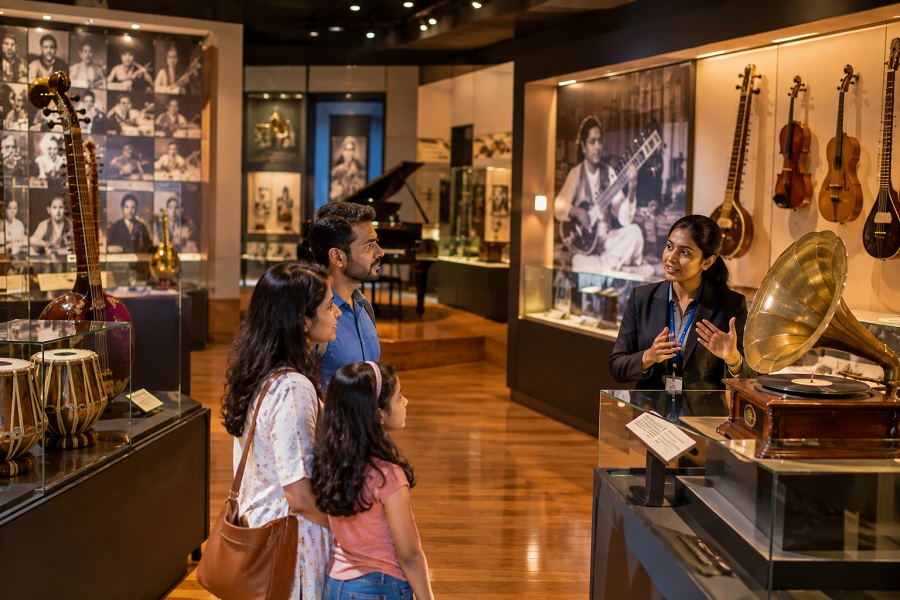
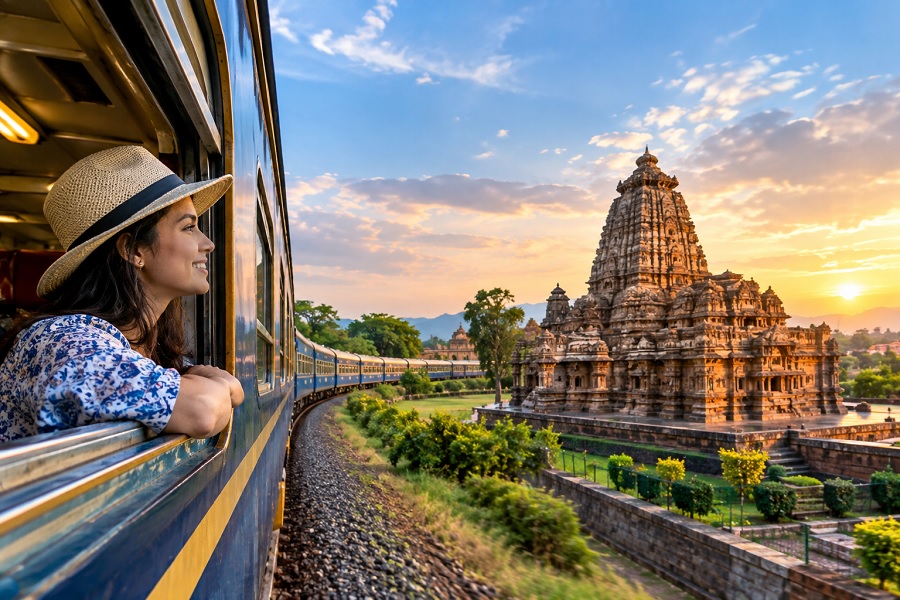
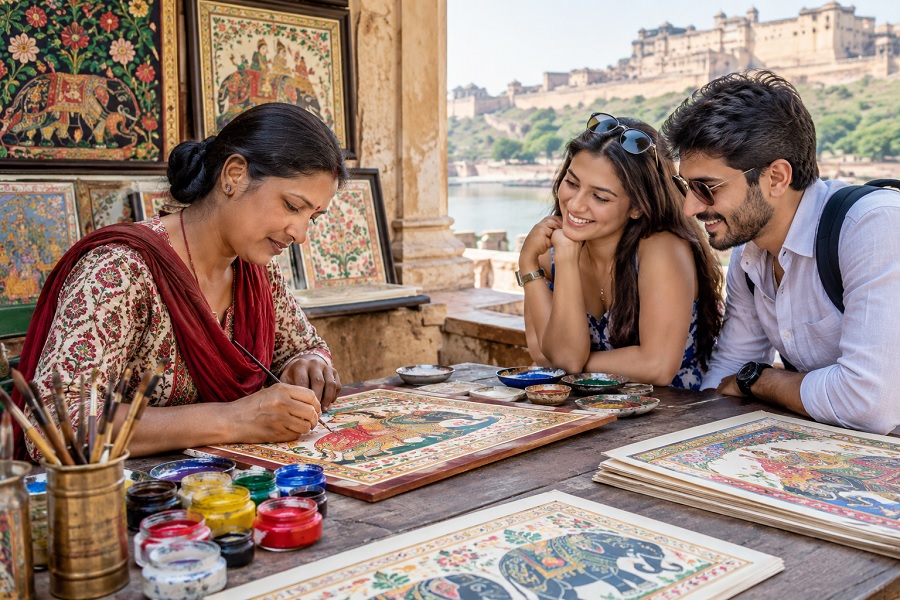
A Navratri photography tour can include much more than attending evening events. Travellers can explore heritage buildings, traditional markets, local craft workshops, museums, and regional food destinations during the day.
In Gujarat, visitors may combine Garba photography with textile and handicraft experiences. In Kolkata, they can explore artistic pandals and learn about idol-making traditions where workshops welcome visitors. In Rajasthan, heritage walks and local craft markets can add cultural context to a photography itinerary.
These activities help travellers understand the people, places, and traditions behind the photographs they take.
7. Equipment to Carry for a Navratri Photography Tour
Choosing suitable equipment can make festival photography more convenient.
A camera or smartphone with reliable low-light performance.
A versatile lens suitable for both wide scenes and portraits.
Extra batteries and sufficient memory storage.
A comfortable camera bag for crowded venues.
A cleaning cloth to protect equipment from dust.
A lightweight tripod only where it is permitted and practical.
A power bank for smartphone photography.
Comfortable footwear and weather-appropriate clothing.
Travellers should carry only the equipment they can manage comfortably in crowded locations.
8. Benefits of Navratri Photography Tourism
Navratri photography tourism supports cultural discovery and can contribute to local tourism economies. Visitors may spend money on accommodation, transport, guided tours, photography workshops, traditional clothing, handicrafts, and local food.
It can also help promote regional art forms and encourage interest in traditional textiles, music, dance, and craftsmanship.
When conducted responsibly, photography tours provide opportunities for cultural exchange while supporting local communities and preserving visual records of festival traditions.
9. How to Plan a Navratri Photography Tour
Start by selecting a destination based on the type of photography you want to pursue. Gujarat is a strong choice for Garba and Dandiya, while Kolkata is particularly suitable for Durga Puja pandal photography.
Research event schedules, book accommodation early for popular dates, and check transportation options. Consider joining a local cultural or photography tour if you want guidance on locations and regional traditions.
Prepare a flexible itinerary that allows time for photography, sightseeing, rest, and unexpected opportunities. Review weather conditions, venue entry rules, and camera restrictions before departure.
If you plan to sell photographs or use them in advertisements, confirm whether commercial photography permissions are required.
Conclusion
Navratri festival photography tours provide an exciting way to experience India's cultural diversity through travel and photography. From Gujarat's energetic Garba nights to Kolkata's artistic Durga Puja celebrations, the festival season offers countless opportunities to capture traditional costumes, handicrafts, music, architecture, and community spirit.
With suitable equipment, careful planning, and respect for local customs, travellers can create meaningful photographs while discovering the cultural heritage of different regions. Navratri photography tourism is an enriching experience for anyone interested in travel, art, traditions, and visual storytelling.