Traditional Lifestyle Tourism: Discovering India's Living Cultural Heritage
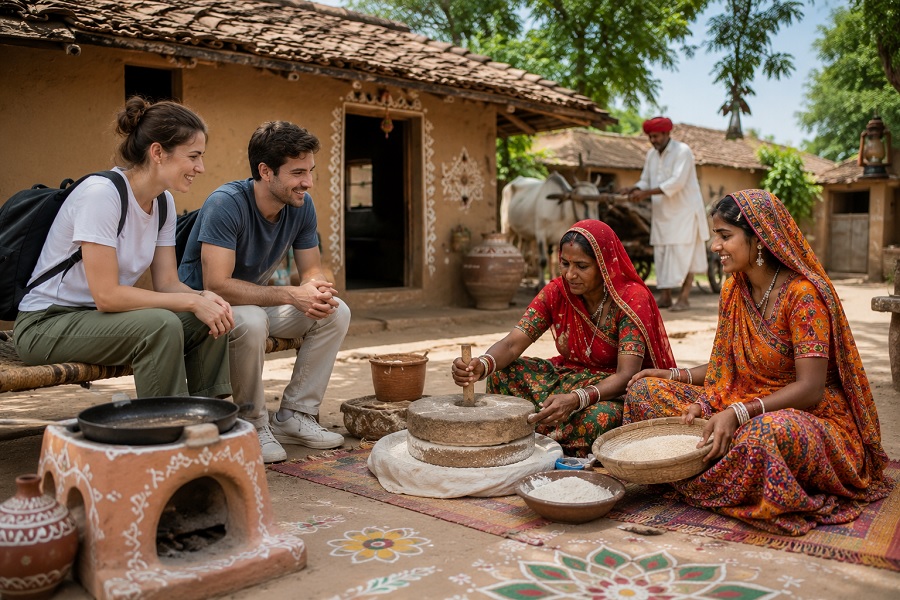
Traditional Lifestyle Tourism is an immersive form of cultural travel that allows visitors to experience the everyday customs, traditions, crafts, food, architecture, and social practices of local communities. Instead of simply visiting famous monuments and tourist attractions, travelers can experience how people live, work, celebrate festivals, prepare traditional food, create handicrafts, and preserve cultural traditions.
In India, Traditional Lifestyle Tourism offers travelers an opportunity to discover the country's incredible cultural diversity through authentic community experiences. From rural villages and tribal communities to traditional neighborhoods and heritage towns, every destination has its own unique lifestyle and identity.
Experience Authentic Local Life
One of the biggest attractions of Traditional Lifestyle Tourism is the opportunity to experience authentic local life. Travelers can stay with local families, visit traditional homes, participate in daily activities, and learn about customs that have been passed down through generations.
Village homestays are particularly popular because they allow visitors to experience local hospitality while gaining a deeper understanding of regional lifestyles. Guests may participate in farming, cooking, handicraft-making, or other everyday activities.
These experiences create meaningful connections between travelers and local communities.
Explore Traditional Indian Villages
India's villages are rich in cultural traditions and provide excellent opportunities for lifestyle tourism. Rural destinations offer travelers a chance to discover traditional houses, agricultural practices, local markets, folk art, and community celebrations.
Visitors can explore village paths, interact with local residents, enjoy regional food, and learn about traditional occupations. These experiences often provide a peaceful alternative to busy urban destinations.
Village tourism can also help create new economic opportunities for rural communities when tourism is developed responsibly.
Discover Traditional Food and Cooking
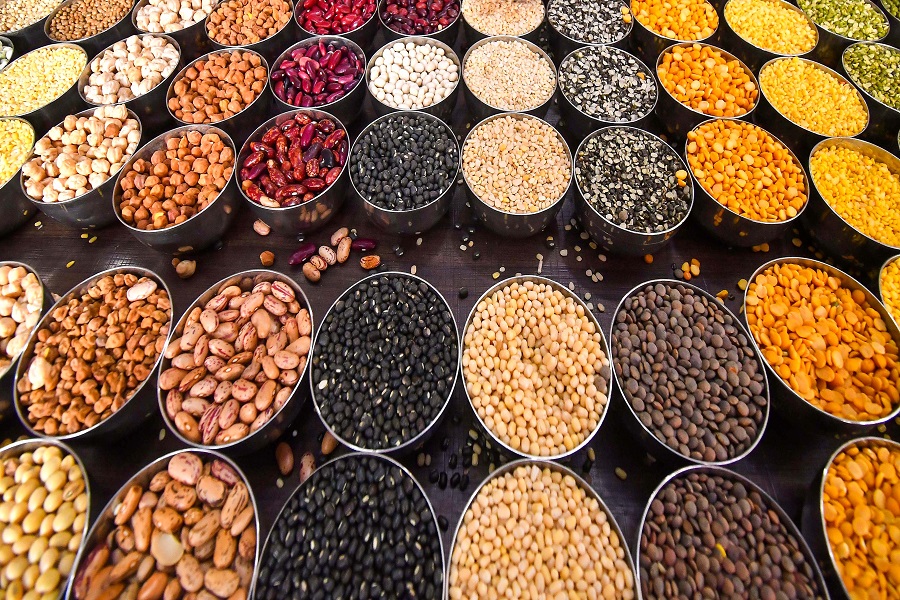
Food is an important part of traditional lifestyle experiences. Travelers can learn about regional ingredients, cooking techniques, and family recipes that have been preserved over generations.
Cooking workshops and food experiences can introduce visitors to traditional dishes prepared with locally sourced ingredients. Travelers may also visit local farms, participate in food preparation, or enjoy meals with host families.
From Rajasthani cuisine and Bengali sweets to Kerala's traditional dishes and Northeast Indian food traditions, culinary experiences provide a delicious way to understand India's cultural diversity.
Experience Traditional Handicrafts
Traditional crafts are an important part of India's cultural heritage. Many communities have specialized skills in pottery, weaving, embroidery, wood carving, metalwork, basketry, jewelry making, and other crafts.
Travelers can visit artisan villages and workshops to observe craftspeople at work. Some destinations also offer hands-on workshops where visitors can learn basic techniques and create their own traditional crafts.
Supporting local artisans through responsible tourism can help preserve traditional skills and provide sustainable income opportunities.
Discover Traditional Clothing and Textiles
Traditional clothing reflects the history, climate, social customs, and artistic identity of different Indian regions.
Travelers can explore handloom villages, textile markets, and artisan workshops to learn about traditional fabrics and weaving techniques. Visitors may discover regional textiles such as Banarasi silk, Kanchipuram silk, Pashmina, Bandhani, Chanderi, and handwoven cotton traditions.
Textile tourism provides an opportunity to understand how traditional fabrics are produced and how local communities preserve their craft heritage.
Participate in Local Festivals
Festivals are among the most vibrant expressions of traditional lifestyles. Indian communities celebrate festivals through music, dance, food, religious rituals, decorations, and traditional clothing.
Travelers can experience local festivals to understand the cultural traditions of a destination. Participating respectfully in community celebrations can make a journey more memorable and meaningful.
However, visitors should always follow local customs and respect religious practices when attending traditional events.
Explore Traditional Architecture
Traditional architecture offers valuable insights into the lifestyle and history of local communities. Homes and public buildings are often designed according to regional climates, available materials, and cultural traditions.
Travelers can explore mud houses, wooden homes, courtyard houses, havelis, traditional Kerala homes, desert architecture, and tribal dwellings.
Heritage walks and village tours can help visitors understand the relationship between architecture, environment, and community life.
Learn About Traditional Occupations
Traditional Lifestyle Tourism can introduce travelers to occupations that have supported communities for generations. Depending on the destination, visitors may learn about farming, fishing, pottery, weaving, animal husbandry, handicrafts, or traditional food production.
These experiences provide a better understanding of how local economies function and how traditional knowledge is transferred from one generation to the next.
Experience Rural and Tribal Culture Responsibly
India is home to diverse tribal and indigenous communities with unique languages, traditions, crafts, and lifestyles. Cultural tourism involving these communities should always be developed with respect, consent, and responsible practices.
Travelers should choose ethical tourism experiences that benefit local communities and avoid activities that exploit or misrepresent cultural traditions.
Responsible tourism can help support cultural preservation while ensuring that communities maintain control over how their traditions are shared with visitors.
The Role of Homestays in Traditional Lifestyle Tourism
Homestays are one of the most effective ways to experience local lifestyles. Staying with a local family allows travelers to enjoy traditional meals, learn about daily routines, and discover local stories that may not be found in standard travel guides.
Homestays can also provide direct economic benefits to local households. When managed responsibly, they can encourage cultural exchange while supporting community-based tourism.
Sustainable Traditional Lifestyle Tourism
Traditional Lifestyle Tourism can contribute to sustainable tourism when it focuses on local communities, local products, and responsible travel practices.
Travelers can support sustainability by choosing locally owned accommodations, buying authentic handmade products directly from artisans, reducing waste, respecting local customs, and avoiding activities that damage cultural or natural resources.
Tourism operators can also help by limiting overcrowding, supporting local employment, and ensuring that tourism revenue benefits the communities being visited.
Future of Traditional Lifestyle Tourism
The future of Traditional Lifestyle Tourism is likely to focus increasingly on authentic, small-scale, and community-based experiences. Travelers are becoming more interested in meaningful journeys that allow them to connect with local people and understand different ways of life.
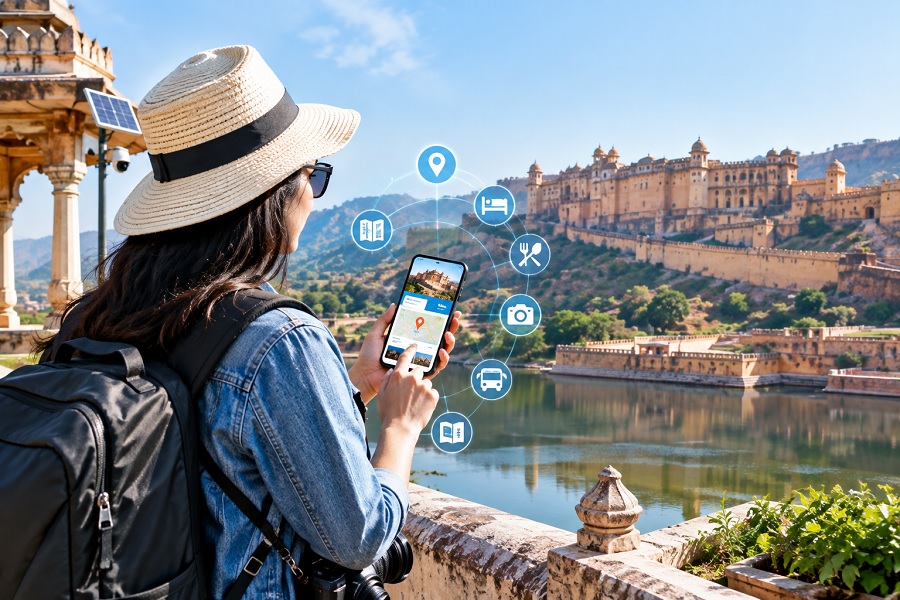
Digital platforms are also making it easier for visitors to discover village homestays, artisan workshops, cultural tours, cooking classes, and local experiences.
At the same time, preserving authenticity will be essential. Tourism should support cultural traditions without turning them into artificial performances created solely for visitors.
Conclusion
Traditional Lifestyle Tourism provides a unique opportunity to discover India's living cultural heritage. By visiting villages, staying with local families, learning traditional crafts, enjoying regional food, participating in festivals, and exploring traditional architecture, travelers can gain a deeper understanding of the country's diverse communities.
When developed responsibly, this form of tourism can support local economies, encourage cultural preservation, and create meaningful connections between visitors and communities.