Traditional Lifestyle Tourism in India: Discovering Authentic Culture and Rural Life
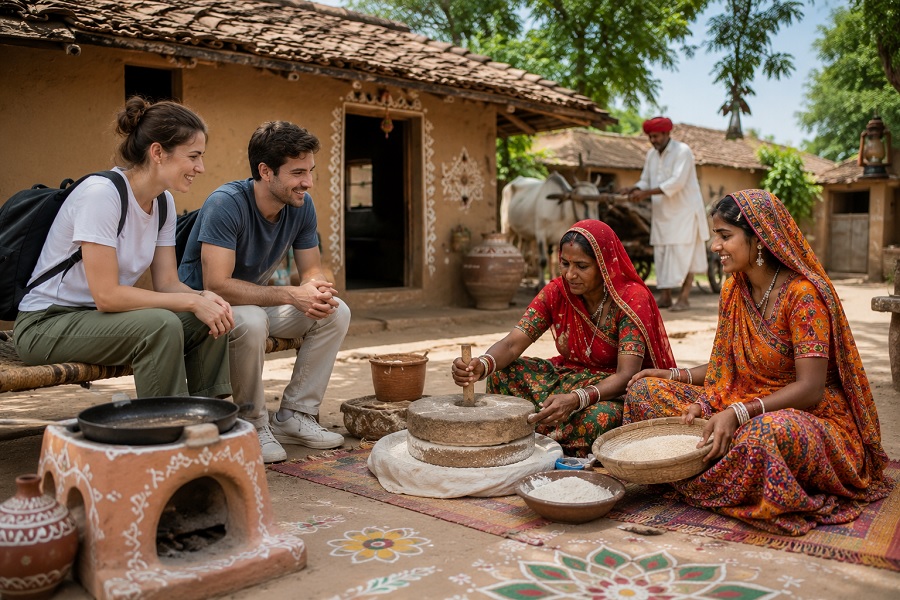
Traditional Lifestyle Tourism in India: Experience Authentic Culture, Heritage and Rural Life
Traditional Lifestyle Tourism in India is becoming an increasingly attractive way for travelers to experience the country beyond famous monuments and busy tourist cities. Instead of simply visiting a destination, travelers can stay with local families, explore villages, learn traditional crafts, taste regional food, participate in cultural activities and understand how communities preserve their customs.
India's Ministry of Tourism describes rural tourism as an experience centered on rural art, culture, heritage, native life, agriculture, crafts and other aspects of rural lifestyles. Rural homestays can provide visitors with opportunities to interact with local communities and experience local food, traditions, arts and crafts.
What Is Traditional Lifestyle Tourism?
Traditional Lifestyle Tourism focuses on experiencing the everyday cultural life of a destination. Instead of treating local culture as something to observe from a distance, visitors can participate in activities connected with the community.
A traditional lifestyle tourism trip may include:
Staying in a rural homestay
Learning traditional cooking
Visiting local farms
Participating in craft workshops
Exploring village markets
Watching folk music and dance
Learning traditional farming techniques
Visiting historic homes and villages
Experiencing local festivals
Meeting artisans and community members
Exploring regional food traditions
The National Strategy for Promotion of Rural Homestays recognizes activities such as local cooking, weaving, farm participation, village tours and interaction with communities as potential rural tourism experiences.
Why Traditional Lifestyle Tourism Is Growing
Modern travelers are increasingly interested in experiences that feel personal and authentic. A conventional sightseeing trip may show visitors important landmarks, but traditional lifestyle tourism can provide a closer understanding of how people live, work, cook, celebrate and preserve their heritage.
The Government of India's rural tourism strategy specifically identifies experiential travel, local culture, cuisine, traditions, arts and community interaction as important elements of rural tourism.
For travelers, this creates an opportunity to slow down and experience a destination at a more local level.
Rural Homestays: A Key Part of the Experience
Rural homestays are among the most effective ways to experience traditional lifestyles. Guests can stay in or near local homes while learning about the surrounding community.
A homestay experience might involve having breakfast with a host family, walking through nearby fields, learning a regional recipe, visiting an artisan workshop or joining a village cultural activity.
India's Ministry of Tourism maintains national guidelines for homestay establishments, while its rural tourism strategy highlights homestays as an important part of rural and sustainable tourism.
Traditional Food Experiences
Food is one of the strongest connections to local culture. Traditional lifestyle tourism allows visitors to discover recipes and cooking techniques that may not be available in conventional restaurants.
Travelers can explore:
Regional breakfast traditions
Traditional breads
Local sweets
Village-style vegetarian meals
Regional spice combinations
Traditional pickles and preserves
Seasonal farm produce
Festival foods
Traditional cooking methods
Local tea and coffee traditions
Cooking classes hosted by local families or community groups can make these experiences more interactive.
Traditional Arts and Handicrafts
India has an enormous diversity of traditional crafts, many of which are closely connected with specific communities and regions.
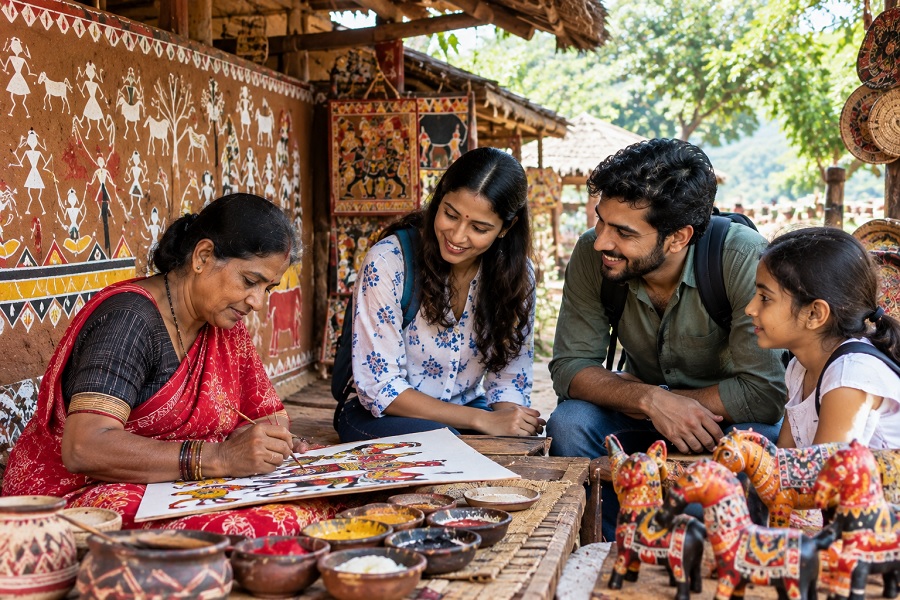
Travelers can visit artisan villages to learn about:
Handloom weaving
Pottery
Wood carving
Metal crafts
Basket making
Textile printing
Embroidery
Traditional painting
Jewellery making
Bamboo and cane crafts
Craft tourism can also provide visitors with an opportunity to purchase directly from artisans, helping connect tourism spending with local creative communities.
India's official rural tourism strategy identifies local arts and crafts as an important part of the rural tourism experience.
Traditional Village Experiences
Village tourism provides an opportunity to understand India's rural lifestyle through everyday activities.
A village itinerary could include an early morning walk, a visit to local farms, a traditional breakfast, an artisan workshop, a village market and an evening cultural performance.
Some villages also offer experiences connected with agriculture, fishing, animal husbandry, food production and traditional architecture.
The official Incredible India rural tourism platform currently highlights destinations associated with crafts, culture, agro-tourism, tribal tourism, eco-tourism and "Live Like a Local" experiences.
Regional Diversity Makes India UniqueTraditional life
style tourism in India is particularly interesting because every region has its own cultural identity.
Rajasthan
Travelers can explore traditional havelis, handicrafts, folk music, desert communities, local cuisine and village traditions.
Gujarat
Gujarat offers opportunities to experience handicrafts, textile traditions, village culture, folk festivals and regional cuisine.
Kerala
Visitors can explore traditional homes, village life, backwater communities, local food, handloom traditions and agricultural landscapes.
Punjab
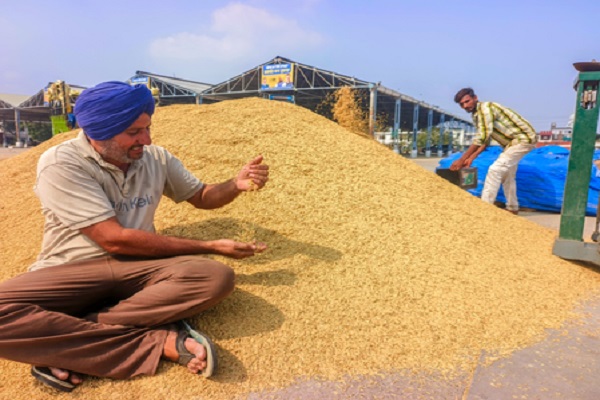
Punjab offers experiences involving farming culture, traditional food, folk music, dance and village hospitality.
Maharashtra
Travelers can explore rural traditions, traditional crafts, local festivals, farming communities and regional cuisine.
Northeast India
The Northeast offers diverse indigenous traditions, village experiences, handicrafts, food cultures, festivals and distinctive architectural traditions.
Odisha
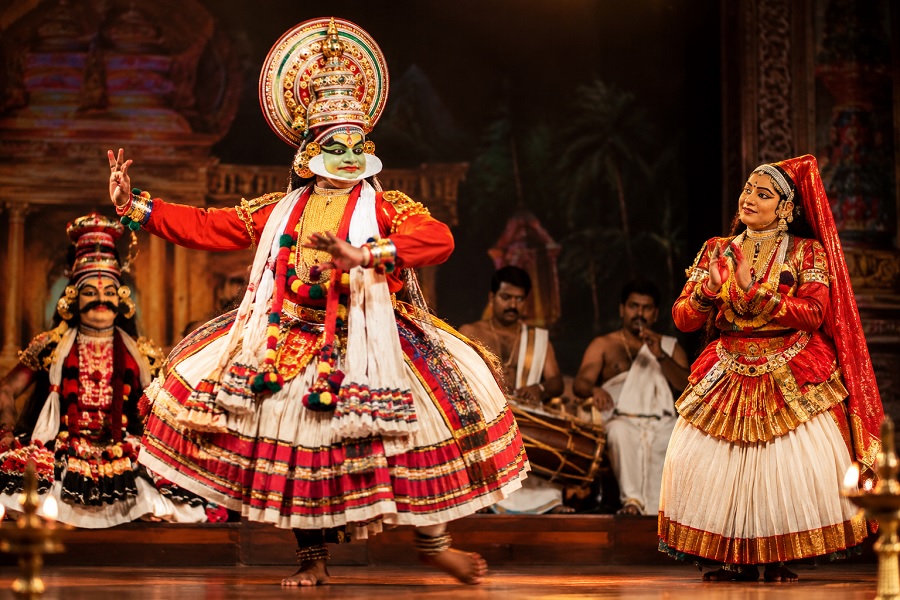
Odisha is well suited to cultural travelers interested in traditional crafts, temple heritage, village communities, textiles and classical and folk traditions.
These experiences should be developed and visited respectfully, particularly where communities are sharing sensitive cultural traditions.
Tribal Lifestyle Experiences
Tribal tourism can provide meaningful opportunities to learn about indigenous traditions, but it requires particular care and respect.
India has introduced guidelines for developing homestays in tribal areas with an emphasis on responsible tourism, livelihood opportunities, community participation, training and sustainable tourism practices.
Visitors should follow local rules, seek permission before taking photographs and avoid treating cultural traditions as entertainment without context.
Traditional Festivals
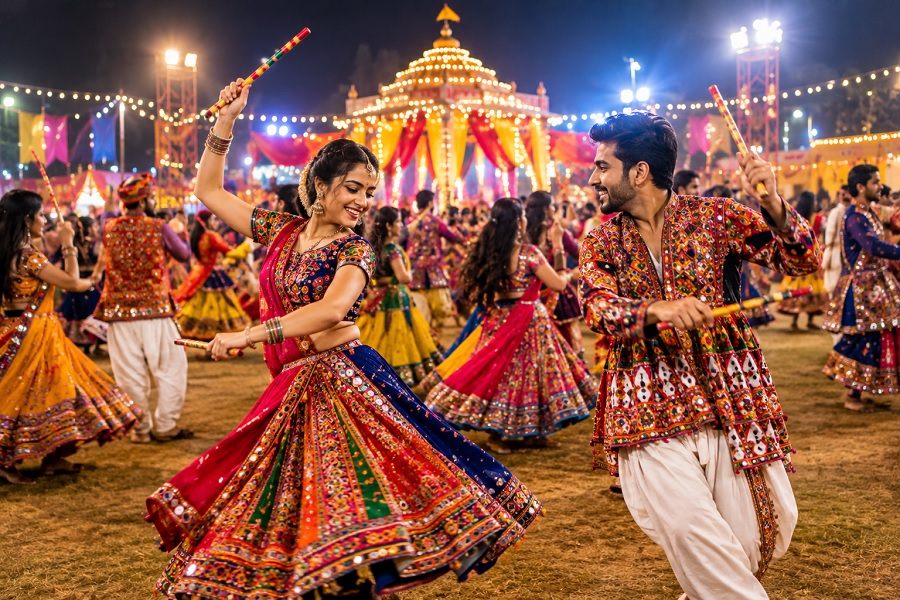
Festivals provide another way to understand local lifestyles. Travelers can experience traditional celebrations involving food, music, dance, clothing, rituals, crafts and community gatherings.
Examples include:
Diwali
Holi
Onam
Pongal
Bihu
Navratri
Durga Puja
Baisakhi
Hornbill Festival
Rann Utsav
Hemis Festival
Festival tourism can be especially rewarding when visitors learn about the meaning behind celebrations rather than simply attending for photography.
Traditional Architecture and Heritage Homes
Architecture can reveal how communities adapted to their environment and lifestyle.
Traditional lifestyle tourism can include visits to:
Havelis
Courtyard homes
Mud houses
Bamboo homes
Heritage mansions
Traditional wooden houses
Coastal homes
Mountain villages
Historic rural settlements
Heritage accommodation can also combine traditional architecture with modern hospitality. India's NIDHI+ system recognizes heritage hotels and other accommodation categories, including farm stays and rural lodges.
Benefits for Local Communities
Traditional lifestyle tourism can create economic opportunities beyond conventional hotels and tourist attractions.
Local residents can participate as:
Homestay owners
Cultural guides
Food experience providers
Craft instructors
Drivers
Farmers
Local performers
Adventure guides
Tour operators
Government initiatives for rural and tribal tourism increasingly emphasize livelihood creation, community participation and capacity building.
This can help tourism revenue reach communities rather than being concentrated only in major tourist centers.
Responsible Traditional Lifestyle Tourism
Authenticity should not come at the expense of local communities. Travelers should approach traditional lifestyle tourism with respect.
Good practices include:
Ask before photographing people
Respect religious and cultural customs
Dress appropriately where required
Avoid disturbing ceremonies
Purchase crafts directly from artisans when possible
Use local guides
Avoid excessive plastic waste
Respect village privacy
Follow environmental rules
Choose responsible homestays
Learn about local traditions before participating
The Ministry of Tourism's rural homestay strategy connects community development with sustainable tourism and recognizes the potential for rural homestays to provide alternative income while supporting local communities.
Traditional Lifestyle Tourism and Sustainable Travel
Traditional lifestyle tourism can complement sustainable travel when visitor numbers, infrastructure and community interests are carefully managed.
Smaller-scale experiences can distribute tourism benefits to less-visited destinations and encourage travelers to spend more time in one place.
India's Ministry of Tourism currently maintains separate national strategies for rural tourism, rural homestays and sustainable tourism, demonstrating the policy focus on developing these areas together.
Best Activities for Travelers
Travelers planning a traditional lifestyle holiday can build an itinerary around experiences rather than sightseeing alone.
Some popular options include:
Stay at a rural homestay.
Join a traditional cooking class.
Visit an artisan village.
Participate in a farm activity.
Explore a traditional market.
Attend a local festival.
Learn a regional craft.
Take a guided heritage walk.
Experience local music and dance.
Enjoy a traditional village meal.
The Future of Traditional Lifestyle Tourism in India
Traditional Lifestyle Tourism has strong potential because it connects travelers with culture, food, heritage, crafts, nature and local communities in one experience.
India's current rural tourism initiatives include promotion of rural homestays, rural destinations and community-based experiences. In 2026, the government has also continued initiatives supporting tourism in tribal areas, including homestay development, training and livelihood opportunities.
The future of this tourism segment will likely depend on maintaining a balance between visitor demand and cultural preservation. The most successful destinations will be those where tourism strengthens local communities without turning everyday traditions into artificial performances.
Conclusion
Traditional Lifestyle Tourism in India offers travelers an opportunity to experience the country through its people, homes, food, crafts, festivals, villages and everyday traditions. It moves beyond conventional sightseeing and encourages visitors to slow down, participate and understand local culture.
From rural homestays and traditional cooking to artisan workshops, village festivals and indigenous experiences, India provides an enormous range of possibilities for culturally curious travelers.
With responsible planning and genuine community participation, traditional lifestyle tourism can create memorable experiences for visitors while supporting local livelihoods and helping preserve India's diverse cultural heritage.