Butterfly Tourism and Nature Trails: Discovering India’s Colorful Biodiversity
Butterfly Tourism and Nature Trails: Exploring India’s Colorful Natural Landscapes
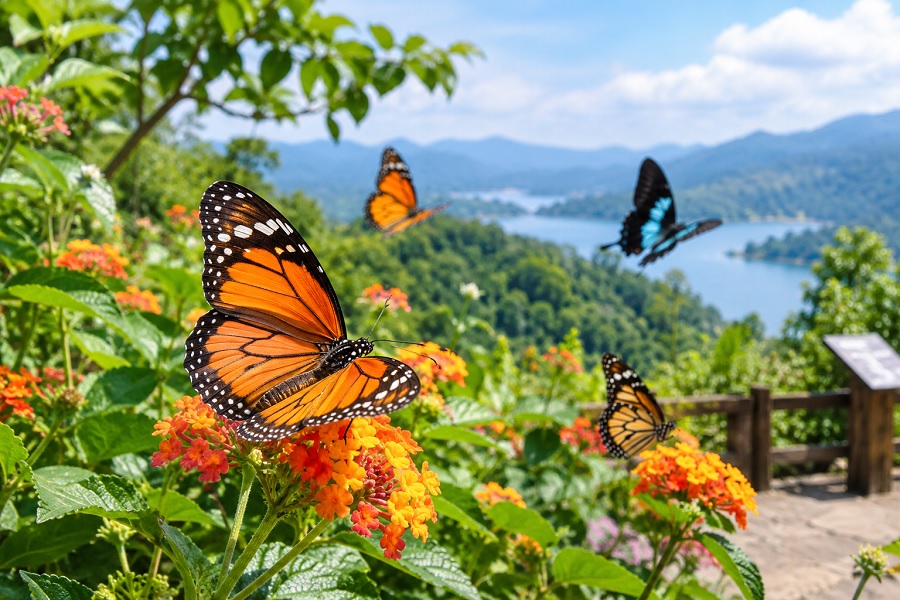
Butterfly tourism is an emerging form of nature-based travel that allows visitors to discover butterflies in their natural habitats while exploring forests, gardens, wetlands, grasslands, and other biodiversity-rich landscapes. Combined with guided nature trails, butterfly tourism offers travelers a peaceful way to experience wildlife, photography, conservation, and local ecosystems.
India's diverse climate and landscapes support a remarkable variety of butterfly species. From tropical forests and Western Ghats landscapes to Himalayan valleys and northeastern habitats, different regions provide opportunities to observe butterflies throughout the year.
What Is Butterfly Tourism?
Butterfly tourism involves traveling to natural areas specifically to observe, photograph, and learn about butterflies and their habitats. Unlike conventional wildlife tourism, butterfly-focused trips often involve slower exploration, short nature walks, and close observation of plants and insects.
Butterflies are also important indicators of ecosystem health because they depend on suitable plants, vegetation, and environmental conditions throughout their life cycle.
What Are Nature Trails?
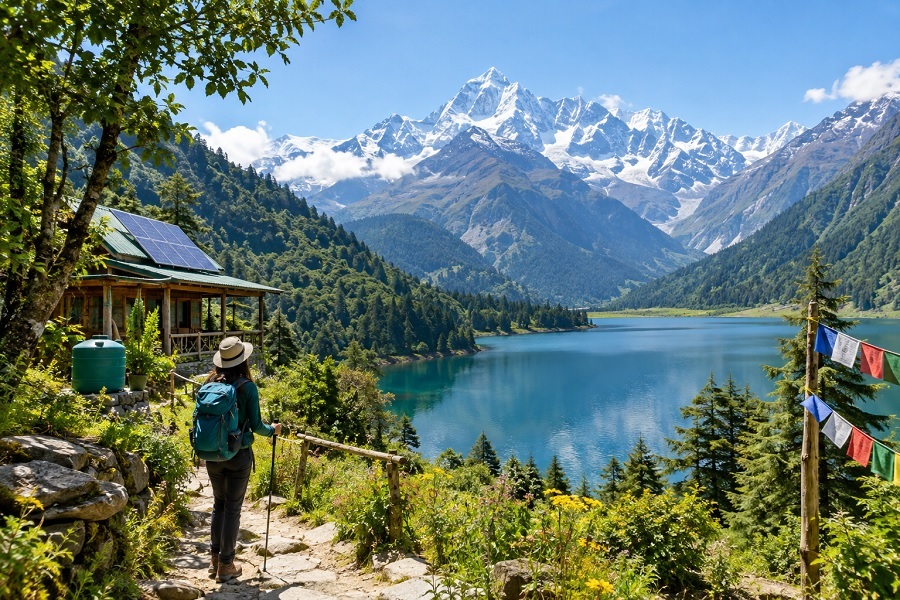
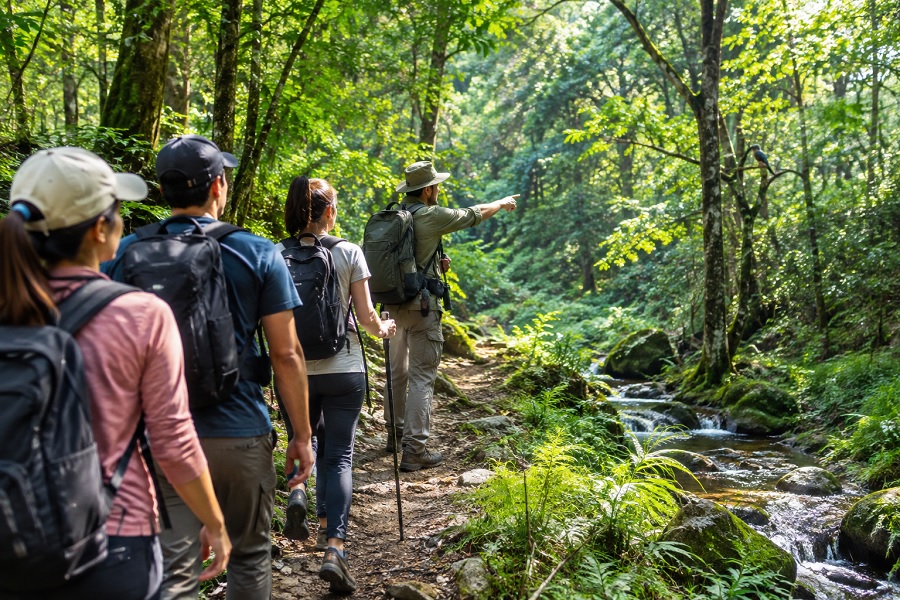
Nature trails are walking routes through natural or semi-natural environments that allow travelers to observe plants, insects, birds, and other wildlife. A butterfly-focused trail may pass through flowering plants, forest edges, streams, meadows, gardens, or other habitats that attract butterflies.
Guided trails can make the experience more educational by helping visitors identify species and understand their behavior.
Why Butterfly Tourism Is Becoming Popular
Butterfly tourism appeals to travelers looking for slower, nature-focused experiences. It can be enjoyed by photographers, families, students, birdwatchers, nature enthusiasts, and travelers interested in biodiversity.
Unlike activities that require long-distance travel or specialized equipment, many butterfly trails can be explored through short walks with basic observation and photography equipment.
Best Habitats for Butterfly Watching
Different butterfly species prefer different habitats. Some common environments for butterfly observation include:
Tropical forests
Mountain forests
Grasslands
Botanical gardens
Wetlands
Riverbanks
Forest edges
Meadows
Organic farms
Butterfly parks
The presence of flowering plants and suitable host plants can make certain locations particularly attractive to butterflies.
Butterfly Tourism in India
India's biodiversity makes it an interesting destination for butterfly enthusiasts. The Western Ghats, Himalayas, Northeast India, central forests, and several protected landscapes contain diverse butterfly habitats.
Locations with established nature trails, butterfly parks, botanical gardens, and biodiversity centers can provide accessible opportunities for visitors to learn about butterflies.
Travelers should always follow local regulations, especially when visiting protected forests and wildlife areas.
Nature Trails and Wildlife Photography
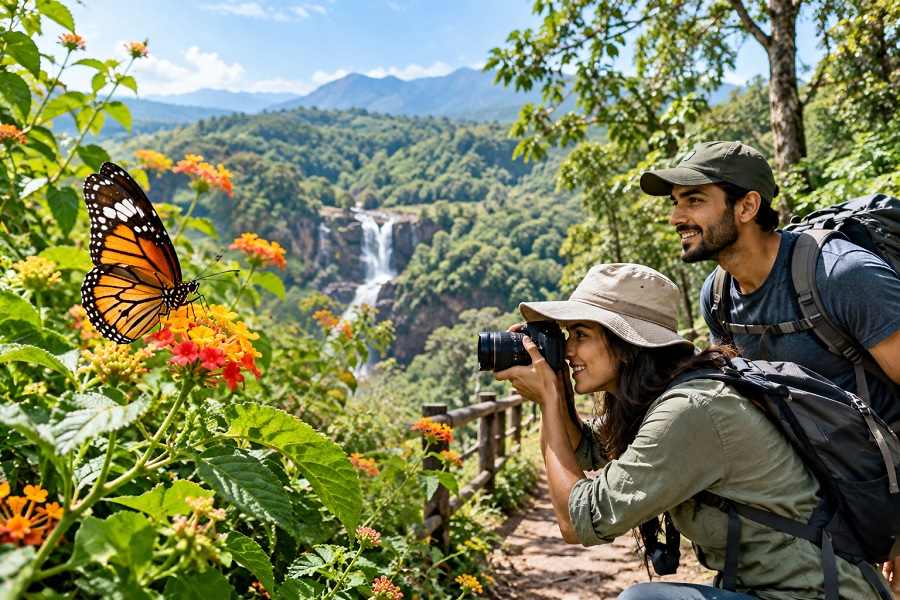
Butterfly trails can provide excellent opportunities for nature photography. Butterflies often display distinctive colors, patterns, and wing shapes that make them interesting subjects.
Photographers should maintain a respectful distance and avoid disturbing butterflies, caterpillar host plants, eggs, or surrounding vegetation.
Using natural light and observing patiently can produce better photographs without interfering with the environment.
Role of Butterfly Gardens
Butterfly gardens can support both tourism and environmental education. These gardens generally include nectar-producing flowers and host plants that provide resources for different stages of the butterfly life cycle.
Visitors can learn about metamorphosis, plant relationships, habitat requirements, and conservation through guided tours and educational displays.
Conservation Through Butterfly Tourism
Responsible butterfly tourism can contribute to awareness about biodiversity conservation. When visitors learn about the importance of native plants and natural habitats, they may become more interested in protecting local ecosystems.
Tourism revenue can also support nature interpretation programs, guided activities, habitat restoration, and community-based conservation initiatives where appropriate.
Community-Based Butterfly Tourism
Local communities can play an important role in developing butterfly tourism. Residents can work as nature guides, homestay hosts, photographers, conservation educators, or local experience providers.
Community participation can create additional livelihood opportunities while encouraging the protection of natural habitats.
Best Time for Butterfly Watching
The ideal season for butterfly watching varies by region, elevation, rainfall, temperature, and species. In many parts of India, periods following seasonal rainfall can provide favorable conditions because vegetation grows actively and flowering plants become more abundant.
However, travelers should check local conditions before planning a trip because butterfly activity can change throughout the year.
What to Carry on a Butterfly Nature Trail
Travelers can keep their nature-trail kit simple. Useful items include:
Comfortable walking shoes
Lightweight clothing
Hat or cap
Water bottle
Sunscreen
Insect protection
Binoculars
Camera
Field guide or identification app
Small notebook
Visitors should avoid carrying items that could damage vegetation or disturb wildlife.
Responsible Butterfly Tourism Guidelines
Responsible tourism is essential when visiting sensitive habitats. Travelers should stay on designated paths, avoid touching butterflies, refrain from collecting specimens, and never remove plants or caterpillars from their natural environment.
Visitors should also avoid loud noises and follow instructions from guides and park authorities.
Butterfly Tourism for Families
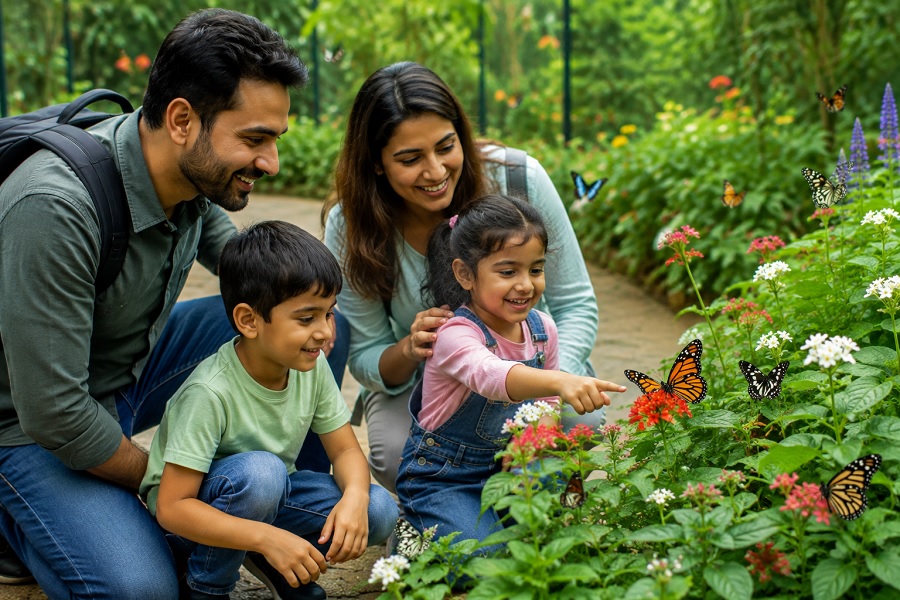
Butterfly trails can be an educational activity for families. Children can learn about insects, plants, pollination, camouflage, and the butterfly life cycle while spending time outdoors.
Simple identification activities can make nature walks more engaging for younger travelers.
Butterfly Tourism for Eco-Conscious Travelers
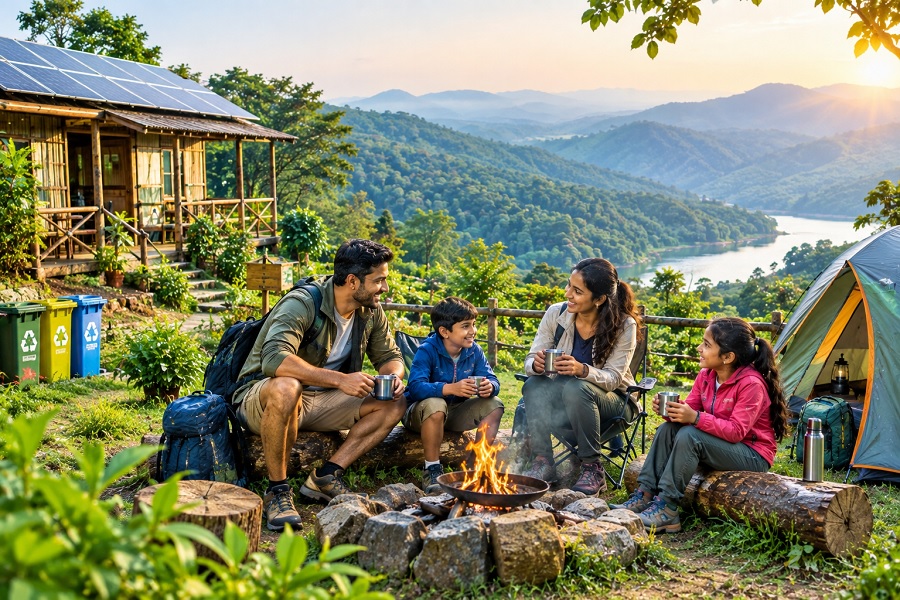
For eco-conscious travelers, butterfly tourism can be combined with sustainable accommodation, local food, public transport, walking tours, and community-based experiences.
Choosing locally operated nature experiences can also help distribute tourism benefits within destination communities.
Future of Butterfly Tourism
As interest in biodiversity, responsible travel, and outdoor experiences continues to develop, butterfly tourism has potential to become an important part of nature-based tourism.
Digital identification tools, citizen-science projects, biodiversity mapping, and guided interpretation can make butterfly trails more informative while encouraging greater awareness of conservation.
Conclusion
Butterfly tourism and nature trails offer travelers a peaceful way to explore biodiversity while learning about butterflies, plants, habitats, and conservation. India’s varied ecosystems provide numerous opportunities for butterfly observation, from tropical forests and mountain landscapes to gardens and community-managed nature areas.
With responsible travel practices, well-managed trails, local participation, and conservation-focused tourism, butterfly experiences can provide meaningful outdoor adventures while helping visitors appreciate the importance of protecting natural habitats.