Responsible Fishing Experiences: Sustainable Fishing Tourism and Conservation in 2026
Responsible Fishing Experiences: Sustainable and Meaningful Fishing Tourism in 2026
Responsible Fishing Experiences are becoming an important part of sustainable tourism, combining recreational fishing with conservation, local livelihoods and respect for aquatic ecosystems. Rather than focusing only on catching fish, responsible fishing tourism encourages visitors to understand the environment, follow local regulations and minimize their impact on marine and freshwater habitats.
The approach is consistent with the FAO's broader principles for responsible fisheries, which emphasize conservation, ecosystem health, biodiversity and sustainable long-term use of aquatic resources.
What Are Responsible Fishing Experiences?
Responsible fishing experiences are tourism activities where visitors can enjoy fishing while taking steps to protect fish populations and aquatic ecosystems.
These experiences may include:
Recreational fishing trips
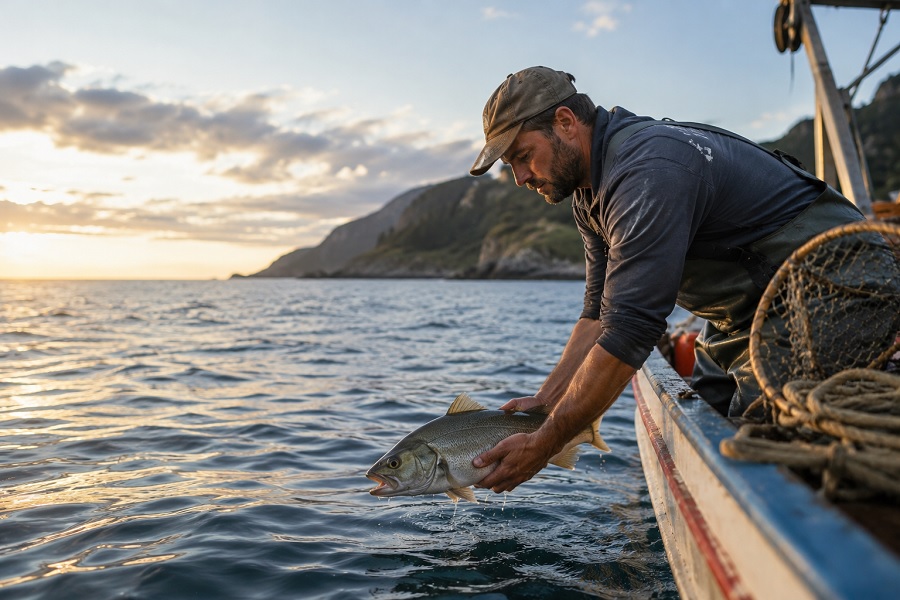
Catch-and-release fishing
Guided freshwater fishing
Sustainable coastal fishing
Community-led fishing tours
Traditional fishing demonstrations
Fly-fishing experiences
Fishing and conservation programs
Local fishing-village tours
Educational fishing excursions
The key idea is to make fishing tourism compatible with conservation and local community interests.
Why Responsible Fishing Tourism Matters
Poorly managed fishing can contribute to overfishing, habitat damage, unwanted catch and pressure on aquatic ecosystems. Responsible tourism can help reduce these impacts by encouraging visitors to follow fishing regulations and conservation practices.
FAO guidance emphasizes that sustainable fisheries depend on maintaining healthy fish stocks and resilient ecosystems while considering the people and communities that depend on fisheries.
Responsible fishing tourism can therefore provide benefits beyond recreation.
Major benefits include:
Supporting conservation awareness
Encouraging compliance with fishing regulations
Supporting local fishing communities
Promoting sustainable tourism
Creating educational experiences
Reducing unnecessary environmental impacts
Encouraging responsible visitor behaviour
Catch-and-Release Fishing
Catch-and-release fishing can be an important part of responsible recreational fishing when local conditions and regulations support it.
Fish should be handled carefully and released as quickly as practical. FAO recreational-fisheries guidance recommends avoiding catch-and-release when conditions such as extreme temperatures or deep-water fishing are known to substantially reduce post-release survival.
Visitors should also use appropriate equipment and follow guidance from local fishing authorities or experienced guides.
Responsible Fishing Techniques
A responsible fishing experience begins with choosing appropriate methods and equipment.
Travelers should:
Use legal fishing gear
Follow local size and catch limits
Respect seasonal restrictions
Avoid protected areas where fishing is prohibited
Keep only permitted catches
Release fish carefully when required
Avoid unnecessary handling
Dispose of fishing line and waste properly
Follow instructions from local guides
Fishing gear and its potential environmental impacts vary considerably. FAO maintains an international classification of fishing gear that covers marine and freshwater recreational fisheries as well as other fisheries.
Supporting Local Fishing Communities
Responsible fishing tourism can also create opportunities for traditional fishing communities.
Visitors can choose locally operated fishing tours, community-owned accommodation and local restaurants. This helps tourism spending remain within the destination.
Small-scale fishing communities are important to local food systems, livelihoods and cultural heritage. FAO's small-scale fisheries guidelines emphasize secure access, participation, social well-being and sustainable resource management.
Traditional Fishing Experiences
Responsible fishing tourism does not always have to involve recreational sport fishing.
Travelers can learn about traditional fishing methods through community-led cultural experiences such as:
Traditional boat trips
Fishing-village walks
Local net-making demonstrations
Traditional boat-building
Fish-market visits
Local seafood cooking
Traditional fishing storytelling
Coastal cultural tours
These experiences can help visitors understand the relationship between communities and aquatic environments.
Sustainable Fishing Tours
When choosing a fishing tour, travelers should look for operators that clearly explain their environmental practices.
A responsible operator may provide information about:
Fishing permits
Local regulations
Target species
Catch limits
Seasonal restrictions
Catch-and-release procedures
Waste management
Wildlife protection
Boat fuel practices
Conservation initiatives
Visitors should be cautious about operators that encourage illegal catches, ignore regulations or promote fishing in protected areas.
Marine Responsible Fishing Experiences
Coastal fishing can provide memorable tourism experiences, but marine ecosystems require careful management.
Responsible marine fishing can involve:
Sustainable recreational fishing
Local fishing excursions
Responsible boat tours
Conservation-focused fishing trips
Coastal community tourism
Marine education programs
Tourists should avoid damaging coral, seagrass and other sensitive habitats while fishing or travelling by boat.
Freshwater Fishing Tourism
Lakes, rivers and reservoirs can also provide opportunities for responsible fishing tourism.
Popular freshwater experiences include:
Lake fishing
River fishing
Fly fishing
Guided angling
Family fishing trips
Nature and fishing tours
Conservation fishing programs
Local rules can differ significantly between locations, so visitors should check regulations before fishing.
Fishing and Wildlife Conservation
Fishing tourism can be combined with broader wildlife experiences, but visitors should maintain appropriate distances from aquatic animals and birds.
Wildlife should never be deliberately disturbed to improve a fishing or photography experience.
Responsible tourism means understanding that the aquatic ecosystem is more than the target fish species. Healthy fisheries depend on functioning ecosystems and biodiversity.
Responsible Seafood Experiences
Fishing tourism can also connect travelers with local seafood traditions.
Visitors can learn about:
Local fish species
Traditional fishing practices
Seasonal seafood
Local cooking methods
Sustainable seafood choices
Fishing-community livelihoods
This creates a stronger connection between tourism, food culture and local communities.
Fishing Tourism and Conservation Education
One of the most valuable aspects of responsible fishing tourism is education.
A knowledgeable guide can explain:
Fish habitats
Local species
Breeding seasons
Fishing regulations
Conservation challenges
Climate impacts
Sustainable fishing methods
Local community traditions
This transforms a recreational activity into a meaningful learning experience.
Responsible Fishing for Families
Fishing can be an educational outdoor activity for families when conducted in a safe and environmentally responsible way.
Family fishing experiences can teach children about:
Aquatic ecosystems
Fish identification
Conservation
Responsible waste disposal
Local wildlife
Sustainable resource use
Parents should choose guided experiences with suitable safety arrangements, especially when children are involved.
Responsible Fishing for Couples
Fishing tourism can also be a relaxing experience for couples.
A couple's fishing trip might include:
Sunrise fishing
Sunset fishing
Private guided trips
Lakeside picnics
Coastal boat experiences
Fishing-village visits
Local seafood dinners
Combining fishing with nature and cultural experiences can create a more complete sustainable holiday.
Best Practices for Travelers
Before booking a fishing experience, travelers should research the destination's regulations.
Before the trip
Check:
Required licenses
Fishing seasons
Species restrictions
Size limits
Catch limits
Protected areas
Weather conditions
Local safety requirements
During the trip
Travelers should:
Follow the guide's instructions
Use permitted equipment
Handle fish carefully
Keep the environment clean
Avoid disturbing wildlife
Respect local communities
After the trip
Visitors should properly dispose of fishing line, hooks, packaging and other waste.
Responsible Fishing and IUU Fishing
Illegal, unreported and unregulated fishing is a major international fisheries-management concern. FAO notes that IUU fishing threatens marine ecosystems and undermines efforts to achieve sustainable fisheries.
Tourists can contribute to responsible tourism by choosing legal operators and avoiding activities that involve protected species, illegal fishing methods or prohibited locations.
How Fishing Tourism Can Support Conservation
Well-designed fishing tourism can contribute to conservation when tourism revenue, education and community participation are connected with responsible resource management.
Possible approaches include:
Conservation fees
Community-managed fishing programs
Habitat restoration projects
Visitor education
Local guide employment
Scientific monitoring
Responsible tourism certifications
The exact approach depends on local regulations and management systems.
Challenges of Responsible Fishing Tourism
Responsible fishing tourism also faces several challenges.
Overcrowding
Too many fishing boats or visitors can place additional pressure on popular fishing areas.
Poor Regulation
Weak enforcement can make sustainable management difficult.
Climate Change
Changing water temperatures, extreme weather and ecosystem changes can affect fish populations and fishing communities.
Habitat Degradation
Pollution and habitat loss can reduce the health of aquatic ecosystems.
Unethical Operators
Some operators may prioritize visitor satisfaction over conservation.
For these reasons, destination-level management and local participation are important.
Future of Responsible Fishing Experiences
The future of fishing tourism is likely to focus increasingly on conservation, community participation, education and low-impact travel.
Technology can also support responsible tourism through digital permits, catch reporting, species identification, GPS-based protected-area alerts and online conservation education.
The broader direction is toward tourism experiences where visitors can enjoy aquatic environments while contributing to their long-term protection.
Conclusion
Responsible Fishing Experiences offer travelers a way to enjoy fishing while respecting fish populations, aquatic ecosystems and local communities. The best experiences go beyond simply catching fish and instead provide education, cultural understanding and environmental awareness.
By following local regulations, choosing responsible operators, minimizing waste, handling fish carefully and supporting fishing communities, travelers can help make fishing tourism more sustainable.
In 2026, responsible fishing can be more than a recreational activity. It can become a meaningful form of nature-based, community-focused and conservation-conscious tourism.