Sustainable Culinary Tourism: Smart Ways to Reduce Food Waste While Travelling
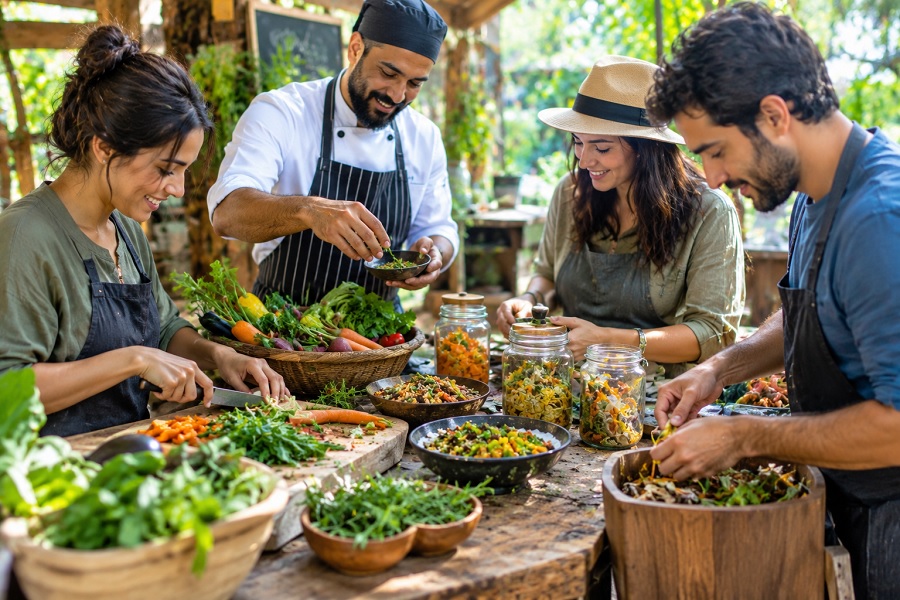
Zero-Waste Culinary Tourism and Food Waste Reduction: A Sustainable Travel Guide for 2026
Zero-waste culinary tourism is an emerging approach to food travel that combines local cuisine, responsible consumption and sustainable tourism practices. Instead of focusing only on what travellers eat, this approach also considers where ingredients come from, how food is prepared, how much is wasted and how local communities can benefit.
For travellers, restaurants, hotels, food festivals and culinary tour operators, reducing food waste can help make food tourism more responsible while preserving authentic local food experiences.
The scale of food waste makes this an important sustainability issue. According to the United Nations Environment Programme (UNEP), approximately 1.05 billion tonnes of food were wasted in 2022 across households, food service and retail, equivalent to about 19% of food available to consumers. UNEP identifies food waste reduction as part of progress toward SDG Target 12.3.
What Is Zero-Waste Culinary Tourism?
Zero-waste culinary tourism refers to food-related travel experiences that aim to minimise unnecessary food waste and make better use of ingredients and resources.
It can include:
Local food tours
Farm-to-table dining
Seasonal food experiences
Food markets
Cooking workshops
Community kitchens
Traditional food demonstrations
Food festivals with waste-reduction systems
Responsible restaurants
Food-production and farm visits
The goal is not necessarily to produce absolutely zero waste in every situation. Instead, zero-waste culinary tourism focuses on preventing avoidable waste and improving how unavoidable food scraps and surplus are managed.
Why Food Waste Reduction Matters in Tourism
Restaurants, hotels, catering businesses and food events are important parts of the tourism industry. UNEP's Food Waste Index specifically includes food-service settings such as restaurants, accommodation and catering among the sectors where food waste can be measured and reduced.
Reducing waste can provide several benefits.
Environmental Benefits
Food that is produced but not eaten represents wasted land, water, energy, labour and transportation resources. Reducing unnecessary waste can therefore help lower the environmental footprint associated with food production and disposal.
Economic Benefits
Better purchasing, portion control and inventory management can help culinary businesses reduce unnecessary costs.
Social Benefits
Surplus food that is safe and legally suitable for redistribution can sometimes be directed toward food-support initiatives instead of being discarded.
Cultural Benefits
Using local ingredients efficiently can help preserve traditional recipes and food practices while reducing unnecessary dependence on heavily packaged or imported products.
Farm-to-Table Culinary Tourism
Farm-to-table experiences connect travellers with local producers and ingredients.
Visitors may tour farms, learn about seasonal crops and then enjoy meals prepared using locally sourced produce.
A farm-to-table tourism experience can include:
Farm visits
Harvest activities
Local cooking classes
Seasonal meals
Producer storytelling
Farmers' markets
Traditional recipes
Direct purchases from growers
These experiences help travellers understand the journey of food from cultivation to the dining table.
Seasonal Food Tourism
Seasonality is an important part of responsible culinary travel.
Instead of expecting every ingredient to be available throughout the year, travellers can explore dishes based on what is naturally abundant during a particular season.
Examples include:
Mango experiences during the appropriate harvest season
Strawberry farm tourism
Monsoon regional produce
Winter vegetable markets
Tea and coffee harvest experiences
Seasonal fruit festivals
Local grain and pulse traditions
Seasonal dining can also give travellers a stronger connection to the agricultural calendar of a destination.
Zero-Waste Food Experiences for Travellers
Tourism businesses can design experiences that minimise unnecessary waste while remaining enjoyable.
Local Market Food Tours
Guided market tours can introduce travellers to seasonal ingredients, local producers and traditional foods.
Cooking Workshops
Cooking classes can teach travellers how to use ingredients efficiently, including suitable methods for using edible portions that might otherwise be discarded.
Food Preservation Workshops
Traditional techniques such as drying, pickling and fermentation can demonstrate how communities historically extended the life of seasonal foods.
Community Dining
Community dining experiences can combine local food traditions with responsible portion planning and shared meals.
Farm Experiences
Farm visits can show travellers how food is grown and how farmers use different parts of a crop.
Reducing Food Waste in Hotels
Hotels can take several steps to minimise food waste while maintaining a good guest experience.
Useful practices can include:
Accurate meal forecasting
Smaller buffet batches
Better inventory tracking
Appropriate portion sizes
Reusable service systems
Staff training
Measurement of discarded food
Safe surplus-food redistribution where permitted
Composting of suitable unavoidable organic waste
UNEP recommends a data-driven approach to food waste reduction, using measurement to identify where waste occurs and then implementing targeted action.
Zero-Waste Restaurants
Restaurants can incorporate food-waste reduction into daily operations without changing the identity of their cuisine.
Smart Purchasing
Restaurants can use demand forecasting and purchasing schedules to avoid ordering more perishable ingredients than necessary.
Better Storage
Correct temperature, humidity and storage practices can help extend the usable life of ingredients.
Portion Management
Offering different portion sizes can help customers order an amount appropriate for their appetite.
Ingredient Utilisation
Chefs can design menus that use suitable parts of ingredients across multiple dishes.
Food Waste Measurement
Recording the amount and type of discarded food can help identify recurring problems.
Responsible Food Festivals
Large food festivals can generate substantial volumes of food and packaging waste if they are not carefully managed.
Festival organisers can consider:
Reusable serving systems
Clearly labelled waste stations
Food quantity planning
Local ingredients
Donation systems for eligible surplus food
Composting arrangements
Water refill points
Digital ticketing
Reusable decorations
Local food vendors
Food-service events are specifically identified by UNEP as a relevant area for food-waste measurement and intervention.
Food Markets and Zero-Waste Tourism
Local markets provide an excellent opportunity for sustainable culinary tourism.
Travellers can buy appropriate quantities, choose seasonal products and support small producers.
Markets can also help visitors discover:
Regional fruits
Vegetables
Grains
Spices
Pickles
Traditional sweets
Local breads
Handmade food products
Regional beverages
Visitors should carry reusable bags and containers where permitted and avoid buying more perishable food than they can reasonably consume.
Traditional Indian Food Practices and Waste Reduction
India has a long history of food traditions that make use of seasonal ingredients and preservation techniques.
Regional culinary experiences can introduce travellers to:
Pickling
Drying
Fermentation
Papad preparation
Spice preservation
Seasonal cooking
Traditional grain recipes
Local food storage methods
Such experiences can connect food tourism with cultural heritage while demonstrating how communities have historically managed seasonal ingredients.
Food Waste Reduction Through Technology
Technology can help tourism businesses monitor and reduce food waste.
Digital tools can support:
Inventory management
Demand forecasting
Kitchen waste measurement
Menu planning
Supplier management
Food donation coordination
Customer portion selection
Digital food ordering
However, technology works best when combined with well-trained staff and practical kitchen procedures.
Role of Travellers in Zero-Waste Culinary Tourism
Travellers also have an important role in reducing food waste.
Simple actions include:
Ordering realistic portions
Avoiding unnecessary buffet servings
Carrying reusable water bottles
Choosing local and seasonal foods
Taking suitable leftovers when the restaurant permits it
Supporting restaurants with responsible practices
Avoiding unnecessary single-use packaging
Buying only the food they can consume
Respecting local food customs
Small choices made by many travellers can contribute to lower waste across tourism destinations.
Sustainable Food Souvenirs
Food souvenirs can be part of responsible culinary travel when travellers select products appropriate for their journey.
Examples include:
Locally produced spices
Tea
Coffee
Dried fruits
Traditional grains
Packaged regional snacks
Preserved foods
Locally produced condiments
Travellers should check airline, customs and destination regulations before transporting food internationally.
Zero-Waste Culinary Tourism for Families
Families can turn sustainable food travel into an educational experience.
Children can learn about:
Where food comes from
Seasonal produce
Food preservation
Local farming
Responsible consumption
Composting
Food packaging
Traditional recipes
Farm visits, cooking classes and farmers' markets can make these lessons interactive and enjoyable.
Zero-Waste Culinary Tourism for Couples
Couples can explore sustainable food tourism through:
Farm-to-table dinners
Local food walks
Cooking classes
Farmers' markets
Traditional food workshops
Seasonal tasting experiences
Eco-friendly culinary resorts
These activities can combine food exploration with cultural and nature-based travel.
How Destinations Can Promote Zero-Waste Culinary Tourism
Destination management organisations can encourage responsible food tourism by supporting restaurants, hotels, farmers, markets and food-event organisers.
Potential initiatives include:
Food-waste measurement programmes
Sustainable restaurant certifications
Local producer networks
Food redistribution partnerships
Composting infrastructure
Public awareness campaigns
Culinary sustainability workshops
Responsible food festival guidelines
Support for community kitchens
Local food procurement programmes
Collective action is important because food waste occurs across multiple stages of the food system. UNEP's 2024 report specifically highlights collaboration among governments, businesses and other stakeholders as part of the solution.
Zero-Waste Culinary Tourism and Local Communities
Local communities are central to authentic food tourism.
Community participation can create opportunities for:
Farmers
Fishermen
Food artisans
Home cooks
Restaurant owners
Market vendors
Traditional cooks
Local guides
Tourism spending directed toward local businesses can help keep more value within the destination while giving travellers authentic food experiences.
Challenges of Zero-Waste Culinary Tourism
Implementing food-waste reduction is not always simple.
Tourism businesses may face challenges such as:
Unpredictable visitor numbers
Seasonal demand
Perishable ingredients
Large buffet operations
Limited waste measurement
Lack of composting infrastructure
Food safety requirements
Staff training needs
Limited access to food redistribution systems
For this reason, zero-waste programmes should be practical and adapted to the size and operating conditions of each business.
Simple Zero-Waste Food Tourism Checklist
Area Sustainable Practice
Purchasing Buy according to realistic demand
Storage Store ingredients correctly
Menu Planning Use seasonal and locally available ingredients
Portioning Offer appropriate serving sizes
Kitchen Track preparation waste
Dining Encourage responsible ordering
Surplus Redistribute suitable food where permitted
Organic Waste Compost or process appropriate scraps
Packaging Reduce unnecessary single-use materials
Measurement Track food waste regularly
Future of Zero-Waste Culinary Tourism in 2026
The future of culinary tourism is increasingly connected with responsible food systems, local communities and environmental awareness.
Travellers can expect more food experiences built around local sourcing, seasonal menus, farm visits, food heritage and interactive learning. Restaurants and tourism businesses may also increasingly use measurement and technology to understand where food waste occurs.
The broader objective aligns with UN Sustainable Development Goal Target 12.3, which calls for halving per-capita global food waste at the retail and consumer levels by 2030.
Conclusion
Zero-Waste Culinary Tourism and Food Waste Reduction offer a practical approach to making food-focused travel more responsible. From farm visits and local markets to sustainable restaurants, cooking workshops and food festivals, travellers can discover culinary traditions while paying greater attention to the resources behind every meal.
Reducing food waste does not mean reducing the enjoyment of travel. Instead, it can encourage better planning, seasonal eating, local sourcing, traditional food experiences and stronger connections between travellers and the communities they visit.
In 2026, zero-waste culinary tourism provides an opportunity for travellers, restaurants, hotels, farmers and destinations to work together toward more responsible and sustainable food experiences.