Nature Walks and Guided Forest Experiences 2026: Explore Wildlife, Trails and Biodiversity
Nature Walks and Guided Forest Experiences: A Complete Ecotourism Guide for 2026
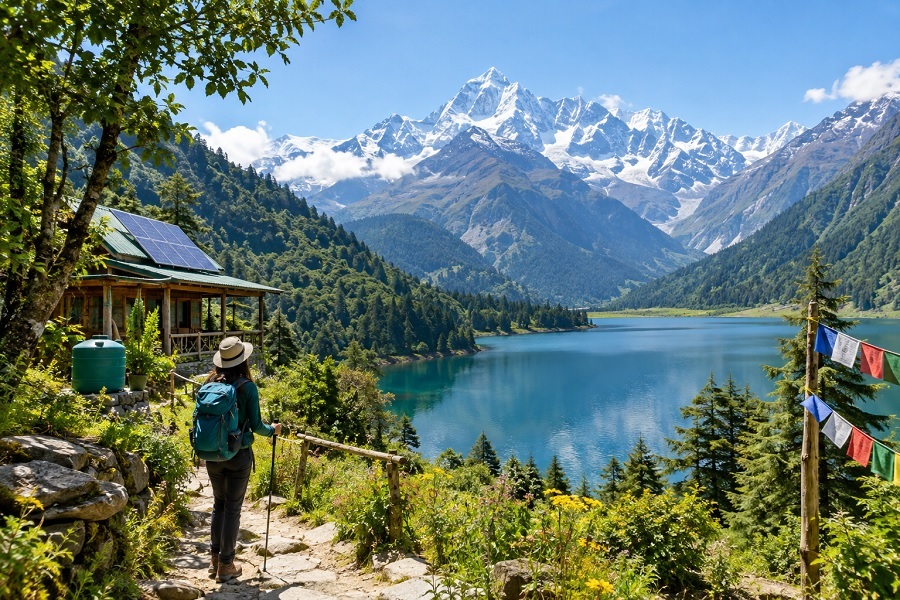
Nature walks and guided forest experiences offer travellers a simple and meaningful way to connect with natural environments. Instead of rushing between major attractions, visitors can explore forests at a slower pace while observing birds, trees, insects, wildlife habitats and seasonal landscapes.
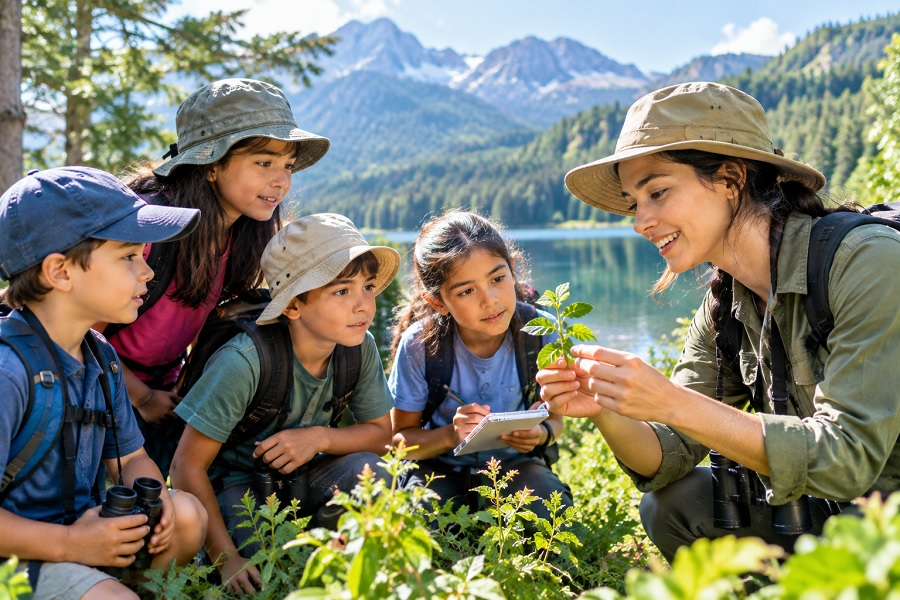
Guided forest experiences can also add an educational element to ecotourism. Local naturalists and trained guides can explain plant species, animal behaviour, conservation practices, local traditions and the ecological importance of forests.
For families, couples, solo travellers and nature enthusiasts, forest walks can provide an opportunity to enjoy outdoor recreation while learning about the environment.
What Are Nature Walks and Guided Forest Experiences?
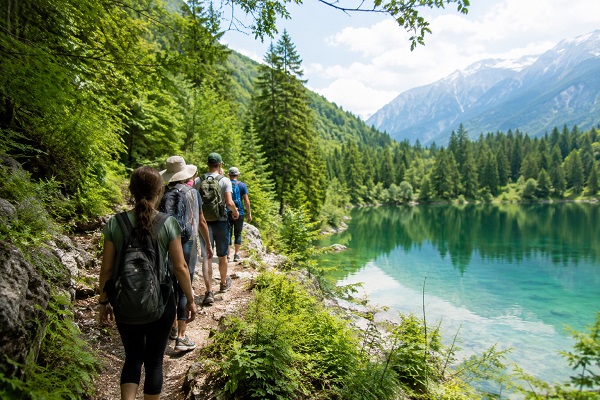
A nature walk is a walking experience through a natural landscape such as a forest, wildlife area, wetland, mountain trail or protected ecosystem.
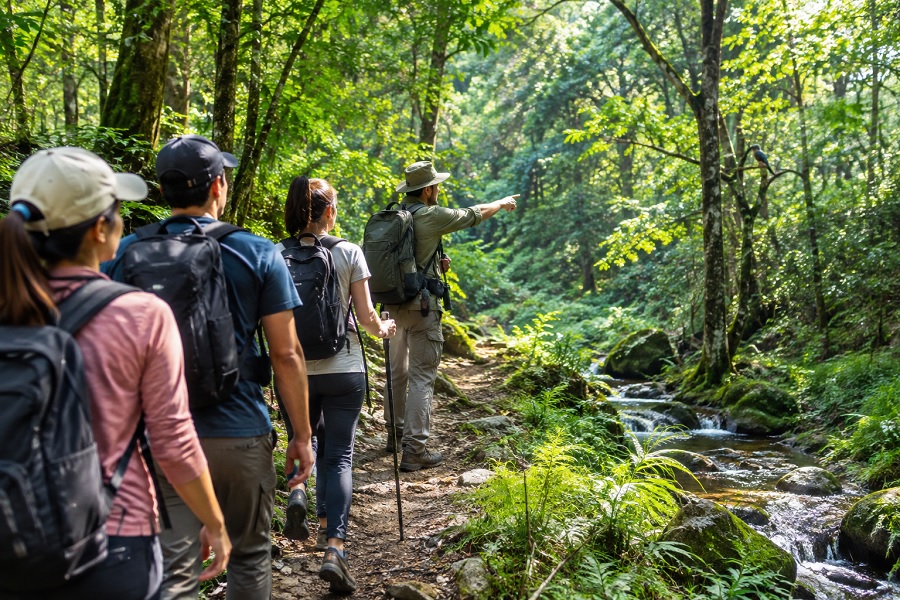
A guided forest experience adds the knowledge of a trained local guide or naturalist. Depending on the destination, a guided walk may focus on:
Wildlife observation
Birdwatching
Plant identification
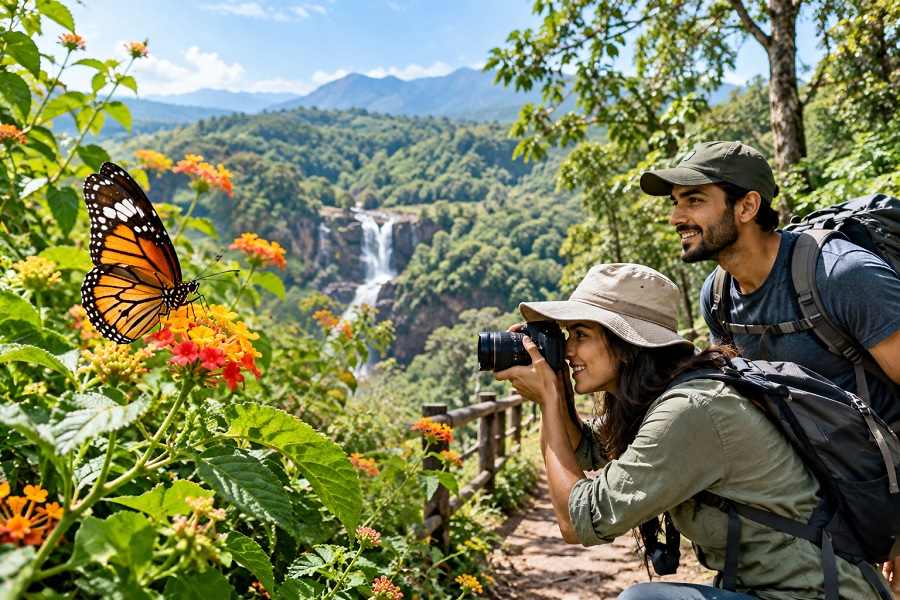
Butterfly observation
Forest ecology
Photography
Local culture
Conservation
Seasonal changes
Nature interpretation
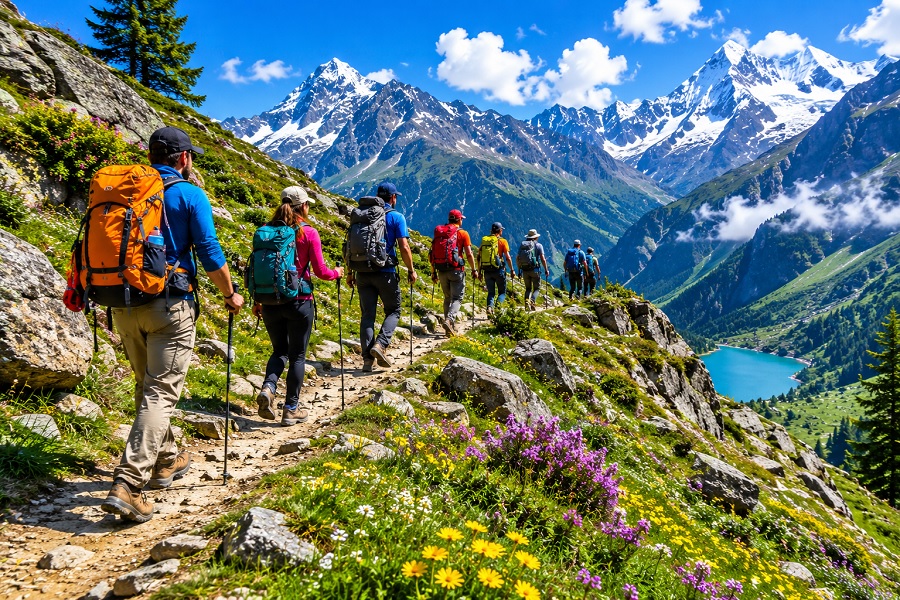
The difficulty of a nature walk can range from an easy trail suitable for families to longer hikes for experienced outdoor travellers.
Why Are Guided Forest Experiences Popular?
Nature-based travel allows visitors to experience a destination beyond conventional sightseeing.
1. Closer Connection With Nature
Walking through a forest provides time to notice sounds, smells, plants, streams and wildlife habitats that can easily be missed from a vehicle.
2. Educational Travel
Guides can explain the relationships between plants, insects, birds and other organisms, turning an ordinary walk into a learning experience.
3. Wildlife Observation
Although wildlife sightings are never guaranteed, forests provide opportunities to observe birds, butterflies, insects and other species in their natural habitats.
4. Peaceful Outdoor Recreation
A quiet forest trail can provide a break from crowded urban environments and busy travel schedules.
5. Support for Local Tourism
Guided experiences can create income opportunities for trained local guides, naturalists, homestays and community-based tourism businesses.
Best Types of Nature Walks
Forest Interpretation Walks
These walks focus on understanding forest ecosystems. Guides may explain trees, plants, fungi, insects, birds and natural processes.
Birdwatching Walks
Birdwatching walks are often organised during early morning hours when many bird species are active. Binoculars and a field guide can enhance the experience.
Butterfly Trails
Butterfly-focused walks are especially interesting during suitable seasons when butterfly activity is higher.
Medicinal Plant Walks
In some regions, trained guides can introduce visitors to traditional knowledge surrounding local plants and herbs. Visitors should not collect or consume wild plants unless explicitly permitted and professionally guided.
Wildlife Habitat Walks
These experiences focus on animal habitats, tracks, signs and ecosystem conservation rather than attempting to approach wildlife.
Forest Photography Walks
Photography walks allow travellers to observe landscapes, plants, birds and insects while learning how to minimise disturbance to nature.
Nature Walks for Different Travellers
Family Nature Walks
Families can choose shorter, easy trails with rest areas and educational activities.
Children may enjoy:
Bird identification
Leaf observation
Insect spotting
Nature photography
Tree identification
Simple environmental games
Parents should select routes appropriate for children's age and physical ability.
Couple Nature Experiences
Couples can combine a guided forest walk with local food experiences, eco-friendly accommodation, photography or scenic viewpoints.
Solo Nature Travel
Solo travellers can benefit from guided walks because local guides can provide route knowledge and information about local rules and conditions.
Senior-Friendly Forest Walks
Older travellers can choose flatter routes with shorter distances, rest points and suitable accessibility features.
Benefits of Hiring a Local Nature Guide
A local guide can greatly improve the quality of a forest experience.
Local Knowledge
Guides often know the area, seasonal changes, common wildlife locations and permitted routes.
Wildlife Interpretation
A guide can explain animal tracks, bird calls, plant relationships and other signs that visitors may not recognise.
Safety Support
Guides can help visitors follow local regulations, avoid restricted areas and respond to changing trail conditions.
Cultural Knowledge
In community tourism destinations, guides may also explain local traditions and the relationship between people and the surrounding landscape.
Popular Nature Walk Experiences in India
India's diverse ecosystems offer many types of forest and nature experiences.
Western Ghats
The Western Ghats offer dense forests, waterfalls, biodiversity hotspots and opportunities for guided nature walks.
Himalayan Forests
Forest trails in Himalayan destinations can provide views of mountain vegetation, birds and changing landscapes across different elevations.
Northeast India
The northeastern region is known for rich biodiversity, forests and unique ecosystems that can support specialised nature experiences.
Central Indian Forests
Central India offers opportunities to explore forests and wildlife habitats with authorised guides and naturalists.
Kerala Forest and Plantation Areas
Kerala combines forest landscapes with plantation tourism, village experiences and nature-focused accommodation.
Andaman and Nicobar Islands
The islands offer tropical forest environments and coastal ecosystems, although visitors should follow strict conservation and access rules in protected areas.
Best Time for a Nature Walk
The ideal time depends on the destination and the purpose of the walk.
For birdwatching, early mornings can be productive. For comfortable hiking, cooler parts of the day may be preferable.
Seasonality can also influence what visitors see:
Spring: Flowers, new vegetation and active insects
Summer: Early-morning wildlife and bird activity in suitable locations
Monsoon: Lush vegetation, streams and seasonal changes
Autumn: Clearer conditions in many destinations
Winter: Comfortable hiking weather in several regions and opportunities for seasonal birdwatching
Travellers should always check local weather and access conditions before visiting forests.
What to Carry for a Guided Forest Experience
A well-prepared visitor can enjoy the walk more comfortably.
Recommended items include:
Comfortable walking shoes
Lightweight clothing
Reusable water bottle
Hat or cap
Insect protection
Small first-aid kit
Personal medications
Binoculars
Camera
Waterproof bag
Identification documents
Local emergency contact information
The packing list should be adjusted according to the terrain and season.
Forest Walk Safety Tips
Forest tourism requires responsible behaviour and awareness of surroundings.
Stay on Marked Trails
Visitors should use designated routes and avoid entering restricted areas.
Follow the Guide
A trained guide can help visitors understand local rules and avoid potentially hazardous situations.
Do Not Feed Wildlife
Feeding wild animals can change natural behaviour and may create safety problems for both visitors and animals.
Maintain Distance From Animals
Wild animals should be observed from a safe distance. Visitors should never attempt to approach, chase or touch wildlife.
Avoid Loud Noise
Quiet behaviour improves the experience and reduces disturbance to wildlife.
Do Not Collect Forest Materials
Plants, flowers, rocks, shells and other natural materials should generally be left where they are, especially in protected areas.
Check Weather Conditions
Heavy rain, storms, extreme heat or other weather conditions can make trails unsafe.
Sustainable Nature Walk Tourism
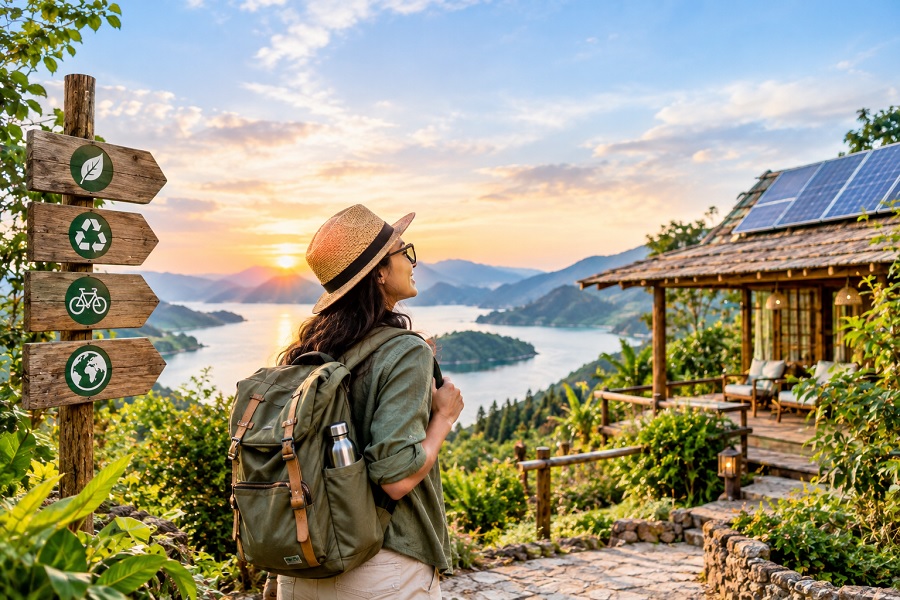
Nature walks can support conservation when tourism is managed responsibly.
Travellers can contribute by:
Choosing licensed guides
Supporting local communities
Staying on established trails
Carrying reusable bottles
Avoiding single-use plastic
Taking all waste back
Respecting wildlife
Avoiding unnecessary noise
Following protected-area regulations
Choosing responsible eco-friendly accommodation
Responsible travel helps reduce pressure on natural ecosystems.
Community-Based Forest Experiences
Community-based ecotourism allows local residents to participate in tourism activities and benefit from visitor spending.
Community members may work as:
Nature guides
Birdwatching guides
Homestay operators
Local cooks
Drivers
Handicraft producers
Cultural interpreters
These experiences can help connect tourism income with local conservation and livelihoods.
Guided Forest Walks and Conservation Education
One of the most valuable aspects of guided nature tourism is environmental education.
A knowledgeable guide can explain:
Why forests are important
How watersheds function
Why biodiversity matters
How animals interact with habitats
How invasive species affect ecosystems
Why habitat protection is necessary
How visitors can reduce their environmental impact
This can make tourism more educational and encourage responsible behaviour beyond the trip.
Nature Photography Without Disturbing Wildlife
Photography can be an enjoyable part of forest tourism, but it should not interfere with animals or habitats.
Travellers should avoid:
Using flash near sensitive wildlife
Blocking animal movement
Chasing birds or animals for photographs
Damaging vegetation for a better viewpoint
Making loud noises to attract wildlife
A respectful photograph is more valuable than one that creates unnecessary disturbance.
Digital Detox Through Forest Walks
Nature walks can also be included in digital detox holidays. Travellers may choose to spend a few hours without constant phone use and focus instead on natural sounds and surroundings.
Some eco-resorts and nature retreats combine guided walks with meditation, yoga, wellness activities and quiet time.
Combining Nature Walks With Other Ecotourism Experiences
A forest walk can be combined with several other sustainable travel activities.
Examples include:
Farm visits
Local food tours
Village tourism
Birdwatching
Cycling
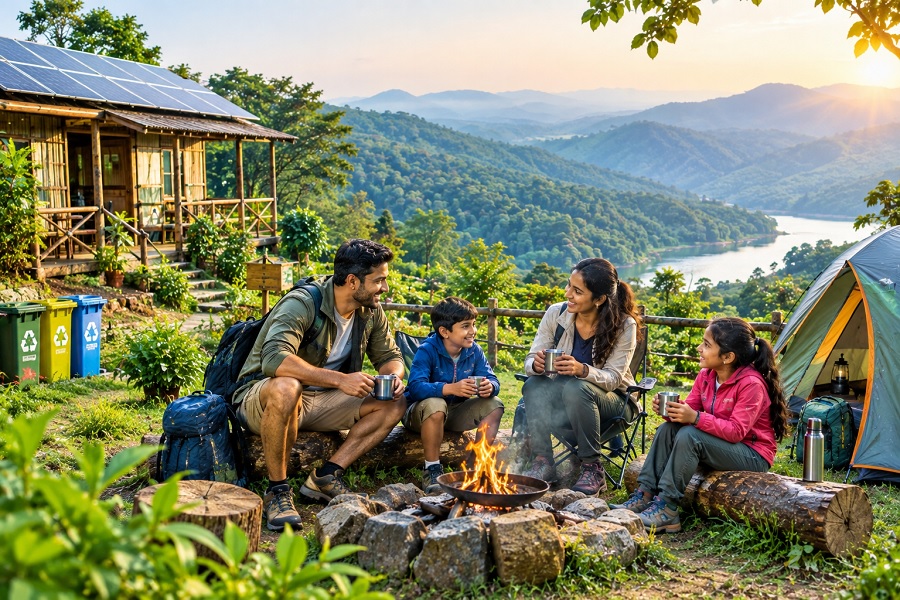
Camping
Eco-friendly accommodation
Traditional craft workshops
Wildlife interpretation
Conservation programmes
A combined itinerary can provide a broader understanding of the destination.
How to Choose a Guided Forest Experience
Before booking, travellers should consider:
Factor What to Check
Guide Training, local knowledge and relevant permissions
Difficulty Walking distance, terrain and elevation
Duration Short walk or full-day experience
Group Size Small groups can offer a quieter experience
Safety Emergency procedures and communication
Wildlife Species commonly observed in the area
Season Weather and wildlife activity
Conservation Environmental rules and responsible practices
Accessibility Suitability for children, seniors or mobility needs
Cost Guide fees, permits and transportation
Future of Nature Walk Tourism in 2026
Nature-based travel is increasingly moving toward experiences that combine recreation, education and conservation. Guided walks can play an important role by helping visitors understand ecosystems while creating opportunities for local communities.
Technology can also support nature tourism through digital trail maps, wildlife identification tools, online bookings and educational applications. However, technology should complement rather than replace the experience of observing nature directly.
Conclusion
Nature Walks and Guided Forest Experiences offer a simple and immersive way to explore the natural world. From birdwatching and butterfly trails to forest interpretation walks and wildlife habitat experiences, these activities can suit a wide range of travellers.
The combination of local guiding, environmental education and responsible tourism can make forest travel more meaningful. By respecting wildlife, following local rules and supporting community-based tourism, visitors can enjoy nature while helping protect the ecosystems they came to experience.