Kids’ Nature Learning Tourism: Exploring Wildlife, Forests and Eco-Friendly Adventures
Kids’ Nature Learning Tourism: Fun and Educational Outdoor Experiences
Introduction
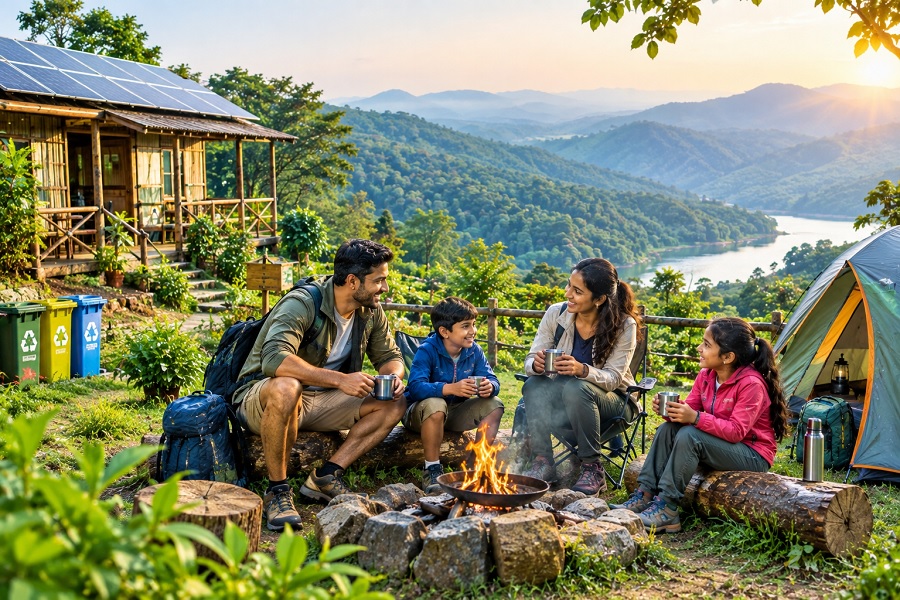
Kids’ Nature Learning Tourism combines travel, outdoor exploration, and education to help children understand the natural world through direct experiences. Instead of learning only from books or classrooms, children can explore forests, gardens, farms, wetlands, wildlife areas, mountains, and other natural environments.
Nature-focused travel can introduce children to plants, animals, birds, insects, water ecosystems, farming, conservation, and sustainable living. With age-appropriate activities and proper supervision, these trips can become memorable learning experiences for the whole family.
What Is Kids’ Nature Learning Tourism?
Kids’ Nature Learning Tourism refers to travel experiences designed to help children learn about nature while visiting natural and environmentally responsible destinations.
Activities may include:
Nature walks
Birdwatching
Plant identification
Butterfly observation
Wildlife education
Farm visits
Gardening activities
Forest exploration
Nature photography
Recycling workshops
Environmental games
Outdoor science activities
The focus is on learning through observation, participation, and exploration.
Why Nature Learning Travel Is Important for Children
Nature-based travel gives children an opportunity to observe natural processes in real surroundings. They can see how plants grow, how insects interact with flowers, how birds behave, and how different ecosystems support wildlife.
These experiences can encourage curiosity and help children develop a greater appreciation for the environment.
Best Destinations for Kids’ Nature Learning Tourism
Families can choose different types of destinations depending on the child's age and interests.
Forest Destinations
Forests offer opportunities to learn about trees, insects, birds, animals, soil, and ecological relationships. Guided nature walks can make forest visits more educational and engaging.
Botanical Gardens
Botanical gardens are suitable for introducing children to different types of plants. Children can learn about flowers, herbs, trees, seeds, and plant conservation.
Farms and Agricultural Tourism Destinations
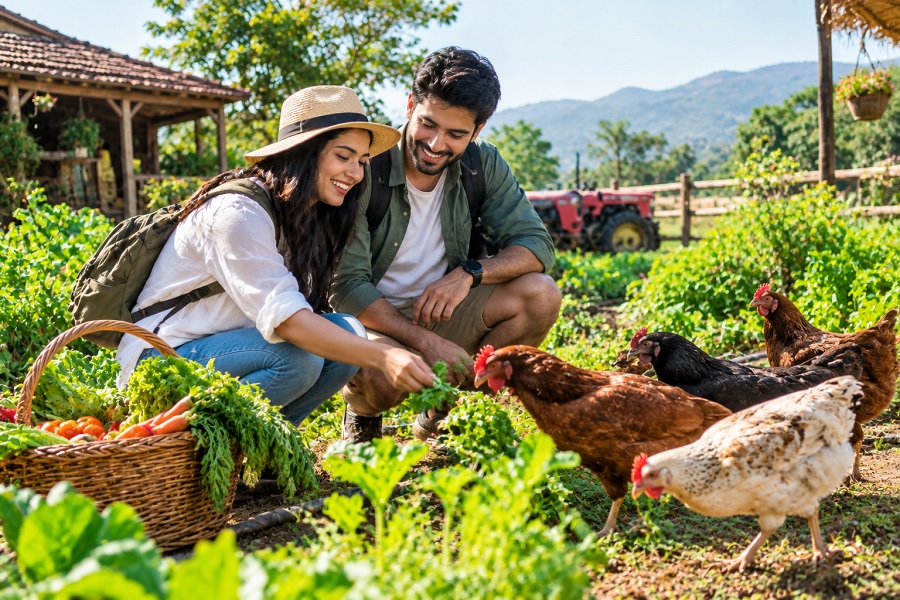
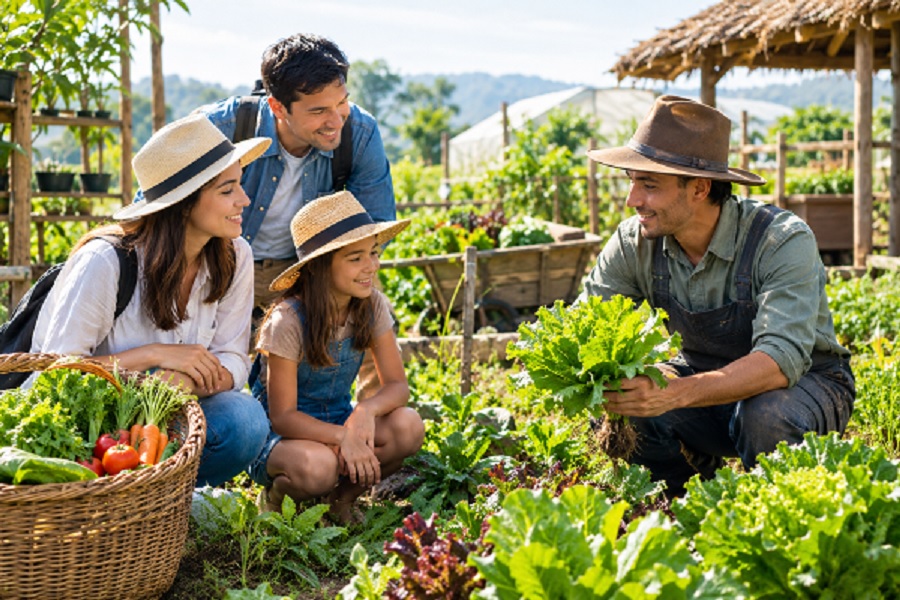
Farm visits can teach children where food comes from. Depending on the destination, children may observe crops, vegetable gardens, fruit trees, livestock, composting, or traditional farming techniques.
Wetlands and Lakes
Wetlands provide an excellent environment for learning about water ecosystems. Children can observe birds, aquatic plants, insects, and other forms of wildlife.
Wildlife Areas
Wildlife destinations can introduce children to animal habitats and conservation. Wildlife observation should always be conducted responsibly and under appropriate supervision.
Beaches and Coastal Ecosystems
Coastal trips can teach children about marine life, tides, shells, coastal plants, and the importance of keeping beaches clean.
Educational Activities for Children
Nature tourism becomes more engaging when children actively participate.
Nature Scavenger Hunts
Parents or guides can create simple lists of natural objects for children to find, such as different leaves, flowers, bird sounds, rocks, or insects.
Children should observe wildlife without disturbing it.
Birdwatching
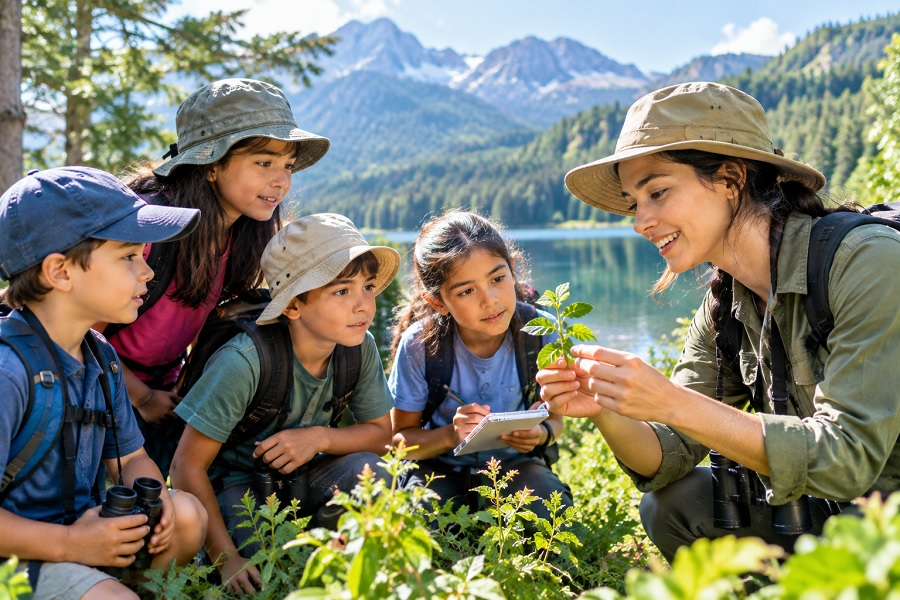
Birdwatching can help children learn about different bird species, colors, calls, nests, and habitats. A simple pair of binoculars and a child-friendly bird guide can make the activity more enjoyable.
Plant Identification
Children can learn to identify common plants based on their leaves, flowers, bark, or fruit. Guides should teach children not to pick or damage plants.
Nature Journaling
A nature journal allows children to record what they see during a trip. They can draw plants, write observations, record bird sightings, or describe weather conditions.
Photography
Nature photography can encourage children to pay attention to small details. They can photograph flowers, landscapes, insects, leaves, and other subjects without disturbing them.
Farm-Based Learning Experiences
Farm tourism can be particularly useful for children because it connects nature with everyday life.
Depending on the farm, children may learn about:
Seed planting
Crop growth
Organic farming
Composting
Irrigation
Seasonal produce
Soil health
Food production
Such experiences can help children understand the relationship between agriculture, food, and the environment.
Wildlife Learning for Kids
Wildlife tourism should focus on observation and conservation rather than simply seeing animals.
Children can learn about:
Animal habitats
Food chains
Animal behavior
Endangered species
Forest ecosystems
Wildlife protection
Human-wildlife relationships
Parents should follow destination rules and maintain safe distances from wildlife.
Eco-Friendly Learning Activities
Nature tourism can also teach children sustainable habits.
Activities may include:
Waste segregation
Recycling demonstrations
Tree planting
Composting workshops
Water conservation activities
Energy-saving games
Clean-up activities
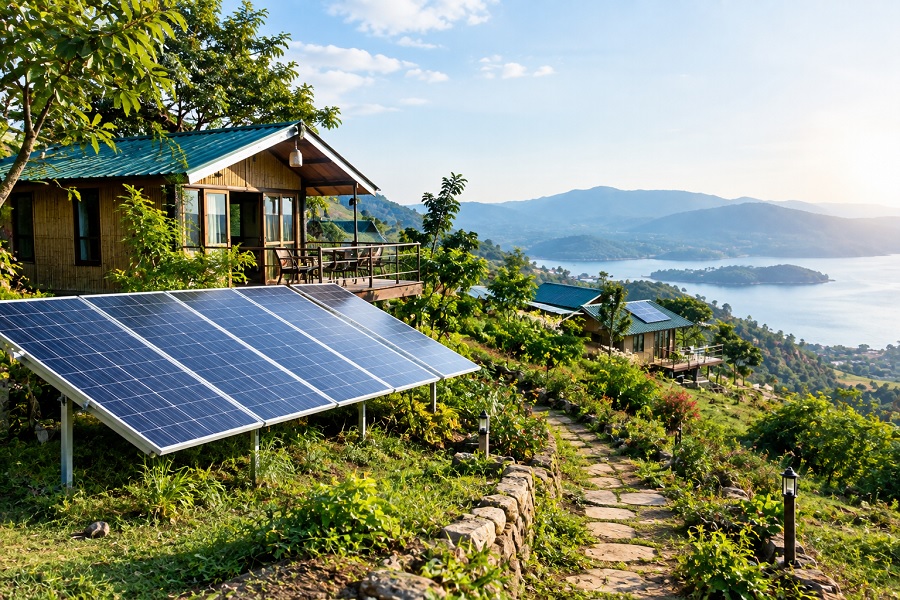
Learning about renewable energy
These activities can connect environmental lessons with practical everyday habits.
Choosing Child-Friendly Eco-Destinations
Parents should consider several factors before selecting a destination.
Look for places that offer:
Safe walking trails
Family-friendly accommodation
Experienced guides
Educational activities
Clean facilities
Accessible transportation
Suitable food options
Emergency support
Age-appropriate experiences
The destination should match the child's age, physical ability, interests, and comfort level.
Safety Tips for Nature Learning Trips
Safety should always be a priority during outdoor activities.
Parents should:
Supervise children closely.
Follow marked trails.
Carry sufficient drinking water.
Use suitable footwear.
Apply appropriate sun protection.
Carry basic first-aid supplies.
Follow wildlife safety rules.
Avoid touching unknown plants or animals.
Check weather conditions before outdoor activities.
Follow instructions from local guides.
Children should understand that wildlife and natural environments need to be observed respectfully.
What Children Should Pack
A simple nature-trip packing list may include:
Comfortable clothing
Walking shoes
Hat or cap
Reusable water bottle
Small backpack
Notebook
Pencils
Binoculars if suitable
Camera or smartphone under supervision
Insect protection
Personal medicines if required
Basic first-aid supplies
Avoid overpacking so children can move comfortably during outdoor activities.
Best Time for Nature Learning Tourism
The best travel period depends on the destination and activity. Families should consider local weather, school holidays, wildlife regulations, seasonal conditions, and trail accessibility.
Morning activities can be particularly useful for nature observation in many destinations because temperatures may be more comfortable and some birds and animals are more active.
Always check current local conditions before traveling.
Benefits of Kids’ Nature Learning Tourism
Nature learning travel can offer several educational and recreational benefits.
Encourages Curiosity
Children can ask questions and explore subjects they may not encounter directly in a classroom.
Supports Outdoor Activity
Walking, hiking, gardening, and nature exploration encourage children to spend time outdoors.
Develops Observation Skills
Identifying plants, insects, birds, and natural patterns requires careful observation.
Builds Environmental Awareness
Children can learn why forests, water bodies, wildlife, and biodiversity need protection.
Creates Family Memories
Nature trips provide opportunities for parents and children to explore and learn together.
Sustainable Practices for Families
Families can make their trips more environmentally responsible by following simple practices.
Use reusable bottles and bags, avoid unnecessary single-use plastic, stay on designated trails, avoid feeding wildlife, respect local communities, and take waste back when suitable disposal facilities are unavailable.
Choosing locally operated accommodation, guides, and activities can also support communities in tourism destinations.
Technology and Nature Learning
Technology can support children's learning when used appropriately. Digital maps, wildlife identification applications, educational videos, offline guides, and nature photography tools can complement outdoor experiences.
However, technology should not replace direct interaction with nature. Parents can encourage children to spend more time observing their surroundings rather than continuously looking at screens.
Role of Parents and Guides
Parents and trained guides can turn a simple nature trip into an educational experience.
Instead of simply telling children the names of plants or animals, adults can ask questions such as:
Why do you think this bird lives here?
What differences do you see between these leaves?
Where does this water come from?
Which insects can you see near the flowers?
What can we do to protect this place?
Questions like these encourage children to think and explore independently.
Future of Kids’ Nature Learning Tourism
Nature-based educational travel is likely to continue developing through eco-friendly accommodation, interactive learning programs, conservation activities, digital nature guides, outdoor science programs, and community-based tourism.
Schools, families, conservation organizations, farms, parks, and tourism providers can work together to create meaningful experiences that combine recreation with environmental education.
Conclusion
Kids’ Nature Learning Tourism provides a valuable way for children to learn about the environment while enjoying travel and outdoor activities. Forests, farms, wetlands, gardens, beaches, and wildlife destinations can become natural classrooms where children observe, explore, ask questions, and develop environmental awareness.
With appropriate supervision, responsible tourism practices, and age-friendly activities, nature-focused travel can create enjoyable experiences while helping children understand the importance of protecting the natural world.