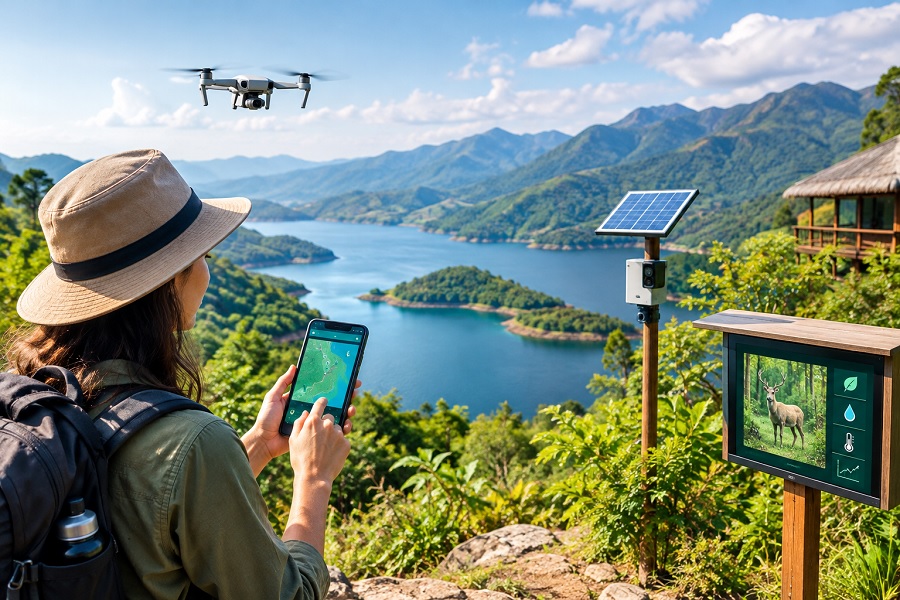
Climate-Friendly Travel: Eco-Conscious Journeys for a Greener Future

Climate-Friendly Travel: How to Explore the World More Sustainably
Climate-Friendly Travel is becoming an important part of modern tourism as travelers, destinations, hotels, airlines, and tour operators look for ways to reduce the environmental impact of travel. The concept focuses on making smarter choices about transportation, accommodation, food, activities, and consumption while still enjoying meaningful travel experiences.
Tourism-related transport is a significant source of carbon emissions. UN Tourism has emphasized the need for closer cooperation between tourism and transport to accelerate the sector's transition toward lower-carbon travel.
What Is Climate-Friendly Travel?
Climate-friendly travel means planning and enjoying trips in ways that aim to reduce greenhouse-gas emissions and other environmental impacts.
It can include:
Choosing trains or buses when practical
Using public transportation at destinations
Walking or cycling for short journeys
Selecting energy-efficient accommodation
Supporting local businesses
Reducing food and plastic waste
Choosing sustainable tourism activities
Travelling during less crowded periods
Staying longer rather than taking frequent short trips
Respecting local ecosystems and communities
Climate-friendly travel does not mean that every trip must have zero emissions. Instead, it encourages travelers to make realistic choices that reduce their overall footprint.
Why Climate-Friendly Travel Matters
Travel connects people with cultures, landscapes, wildlife, and communities, but tourism also requires transportation, energy, food, water, and other resources.
UN Tourism has reported that transport-related tourism emissions could continue increasing without stronger climate action, highlighting the importance of decarbonizing tourism transportation.
For this reason, climate-conscious travel is becoming an important part of sustainable tourism planning.
Choose Lower-Carbon Transportation
Transportation is one of the most important areas where travelers can make a difference.
For shorter journeys, walking, cycling, metro systems, buses, and trains can provide alternatives to private cars. For longer domestic journeys, travelers can compare rail and air options where practical.
Electric mobility is also expanding, creating new possibilities for lower-emission road travel. Sustainable tourism monitoring increasingly considers measures such as electric transport and improved public transportation as part of climate action.
Consider Slow Travel
Slow travel encourages visitors to spend more time in fewer destinations rather than rushing through several locations.
A longer stay can allow travelers to:
Explore destinations on foot
Use local transportation
Discover neighborhood businesses
Visit local markets
Experience regional culture
Reduce unnecessary transfers
Build deeper connections with communities
Slow travel can therefore combine environmental responsibility with a more relaxed holiday experience.
Choose Sustainable Accommodation
Hotels and resorts can have significant energy and resource requirements. Travelers can look for accommodation that demonstrates practical sustainability measures.
Useful features include:
Renewable energy
Energy-efficient lighting
Water-saving systems
Waste reduction
Recycling programmes
Local food sourcing
Plastic reduction
Sustainable building practices
Public transport accessibility
Environmental certifications where relevant
Climate action in tourism also includes reducing emissions from accommodation and increasing the use of renewable energy.
Support Local Food
Food is another important part of climate-friendly tourism.
Travelers can support restaurants and producers that use seasonal and locally sourced ingredients. Eating local food can also make a trip more culturally meaningful.
Visitors can explore:
Farmers' markets
Local restaurants
Regional cuisine
Farm-to-table dining
Organic farms
Traditional food workshops
Community food experiences
Reducing food waste is equally important. Ordering reasonable portions and avoiding unnecessary leftovers can make travel more responsible.
Reduce Single-Use Plastic
Simple changes can reduce waste during a holiday.
Travelers can carry:
Reusable water bottles
Reusable shopping bags
Refillable travel containers
Reusable coffee cups
Basic reusable eating utensils when appropriate
Choosing refill stations and avoiding unnecessary single-use packaging can help reduce waste at destinations.
UN Tourism has also promoted circular-economy approaches in tourism to reduce waste, pollution, and resource use.
Explore Nature Responsibly
Nature-based travel can support conservation when it is managed responsibly.
Visitors should stay on designated trails, avoid disturbing wildlife, follow local regulations, and avoid removing plants, rocks, shells, or other natural materials.
Good climate-friendly nature tourism can include:
Responsible wildlife watching
Forest walks
Birdwatching
National park visits
Community conservation experiences
Eco-friendly camping
Nature education programmes
Sustainable hiking
The goal is to enjoy natural environments while helping protect them for future travelers.
Support Local Communities
Climate-friendly tourism should also consider the people who live in destinations.
Travelers can support local communities by choosing locally owned hotels, restaurants, guides, shops, craft businesses, and tour operators.
This keeps more tourism revenue within the destination and can strengthen community participation in sustainable tourism.
UN Tourism's sustainable tourism work emphasizes the need for tourism development that addresses environmental impacts while supporting resilient and inclusive communities.
Climate-Friendly Travel in India
India offers many opportunities for more sustainable travel.
Travelers can consider:
Train journeys between major cities
Public transportation in urban destinations
Walking heritage tours
Cycling experiences
Eco-friendly homestays
Community-based tourism
Farm stays
Responsible wildlife tourism
Sustainable mountain tourism
Local food experiences
Nature-based tourism
Destinations with strong public transportation, walkable attractions, local accommodation, and community-based experiences can make it easier for visitors to adopt climate-conscious travel habits.
Climate-Friendly Travel for Families
Families can make sustainable travel part of the holiday experience by teaching children simple environmental habits.
Parents can encourage children to:
Carry reusable bottles
Avoid littering
Respect wildlife
Use public transportation
Save water
Choose local food
Walk short distances
Learn about local ecosystems
These habits can turn a holiday into an educational experience.
Climate-Friendly Travel for Couples
Couples can combine romantic experiences with responsible travel.
Ideas include:
Scenic train journeys
Eco-resort stays
Cycling tours
Nature walks
Farm-to-table dinners
Sustainable beach holidays
Community-led cultural experiences
Wildlife conservation trips
Slow-travel getaways
Eco-friendly road trips
Such experiences can provide memorable moments without relying entirely on high-consumption tourism.
Practical Tips for Climate-Friendly Travelers
Before and during a trip, travelers can follow several practical steps:
Compare transportation options before booking.
Prefer public transport where convenient.
Walk or cycle for short distances.
Stay longer in fewer destinations.
Choose accommodation with credible sustainability practices.
Carry reusable essentials.
Avoid unnecessary food waste.
Buy locally made products.
Respect wildlife and protected areas.
Support local businesses and guides.
Conserve electricity and water at hotels.
Follow local environmental regulations.
The Future of Climate-Friendly Travel
Climate action is increasingly becoming part of tourism policy and business planning. The Glasgow Declaration on Climate Action in Tourism, for example, was created to unite tourism stakeholders around common pathways for climate action.
The sector is also moving toward better measurement of greenhouse-gas emissions, more sustainable transportation, renewable energy, circular resource use, and climate-resilient destinations.
New technologies such as electric vehicles, smart mobility systems, digital travel planning, renewable-energy infrastructure, and better sustainability measurement could further influence how people travel in the coming years.
Conclusion
Climate-Friendly Travel is not about giving up the joy of exploring the world. It is about making thoughtful decisions that can reduce environmental impacts while creating better experiences for travelers and local communities.
Choosing lower-impact transportation, staying longer, supporting local businesses, reducing waste, conserving resources, and respecting nature can all contribute to more responsible tourism.
As climate action becomes increasingly important across the tourism industry, climate-friendly travel is likely to become a defining part of sustainable tourism in 2026 and beyond.