Eco-Friendly Journeys: The Rise of Responsible and Green Travel Experiences
Green Travel Experiences: Exploring the World Sustainably and Responsibly
As environmental awareness continues to influence travel choices, Green Travel Experiences are becoming increasingly popular among travellers who want to explore destinations while reducing their impact on the environment. Green travel focuses on sustainable transportation, eco-friendly accommodation, responsible tourism and supporting local communities.
From staying in eco-lodges and travelling by train to exploring national parks responsibly, green travel offers meaningful experiences that connect travellers with nature and local culture.
What Are Green Travel Experiences?
Green travel refers to tourism practices designed to reduce negative environmental and social impacts. It encourages travellers to make responsible choices throughout their journey.
Green travel experiences can include:
Staying in eco-friendly hotels and resorts
Using public transport or shared transportation
Travelling by train where practical
Exploring destinations on foot or by bicycle
Supporting local businesses
Reducing plastic waste
Choosing responsible wildlife experiences
Protecting natural and cultural heritage
Participating in conservation activities
The goal is not simply to travel less, but to travel more responsibly.
Why Green Travel Is Becoming Popular
Modern travellers are increasingly interested in destinations that offer nature, authentic local experiences and environmentally responsible tourism options.
Climate awareness, concern about pollution and the growing popularity of sustainable lifestyles are encouraging travellers to think more carefully about how they travel.
Green tourism also gives travellers opportunities to explore destinations in a slower and more meaningful way.
Popular Green Travel Experiences
1. Eco-Lodge Holidays
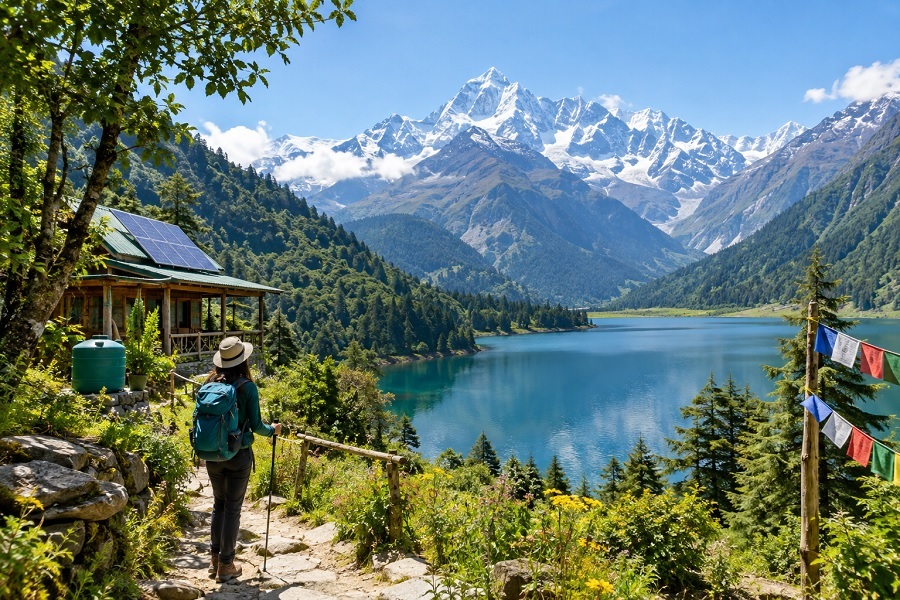
Eco-lodges are designed to reduce environmental impact through practices such as energy efficiency, water conservation and responsible waste management.
Many eco-lodges are located near forests, mountains, beaches and wildlife areas, allowing visitors to enjoy nature while supporting sustainable tourism.
2. Train Travel Adventures
Train journeys can offer a relaxing alternative to frequent road or air travel on suitable routes. Scenic railway trips also allow travellers to enjoy landscapes and experience destinations at a slower pace.
3. Cycling Tourism
Cycling holidays are an environmentally friendly way to explore cities, villages and countryside destinations.
Travellers can discover local markets, historic areas and natural landscapes while reducing dependence on private vehicles.
4. Walking and Hiking Experiences
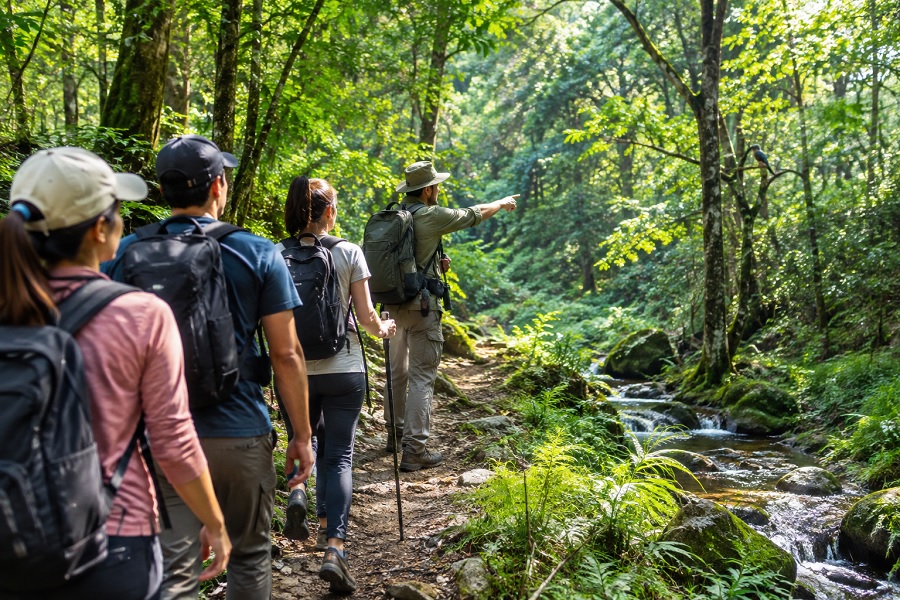
Walking tours and hiking holidays offer low-impact ways to explore destinations. Heritage walks, nature trails and mountain hikes can also create stronger connections with local landscapes and culture.
5. Eco-Friendly Beach Holidays
Green beach tourism encourages travellers to protect coastal environments by avoiding plastic waste, respecting marine ecosystems and supporting responsible tourism businesses.
Activities such as beach cleanups and marine conservation programmes can make holidays more meaningful.
6. Sustainable Wildlife Tourism
Responsible wildlife tourism focuses on observing animals without disturbing their natural habitats.
Travellers should choose ethical wildlife experiences, follow park rules and avoid activities that exploit animals for entertainment.
7. Community-Based Tourism
Community tourism allows travellers to experience local culture while supporting communities directly.
Homestays, local guides, traditional food experiences and handicraft workshops can help create economic opportunities for local residents.
Green Accommodation Choices
Choosing the right accommodation is an important part of responsible travel.
Travellers can look for properties that focus on:
Energy efficiency
Renewable energy
Water conservation
Waste reduction
Plastic-free practices
Local employment
Sustainable food sourcing
Environmental protection
However, travellers should also look beyond marketing claims and check what sustainability practices a property actually follows.
Sustainable Transportation for Green Travel
Transportation often plays an important role in the environmental impact of a journey.
Green travel options can include:
Public Transportation
Buses, metro systems and trains can reduce the number of private vehicles on roads.
Walking
Exploring nearby attractions on foot is one of the simplest ways to reduce environmental impact.
Cycling
Bicycles provide a clean and enjoyable way to explore cities and natural destinations.
Shared Transportation
Carpooling and shared travel options can help reduce the number of vehicles used by individual travellers.
Electric Mobility
Electric buses, cars and other forms of cleaner mobility are becoming part of the broader transition toward sustainable transportation.
How to Reduce Waste While Travelling
Small choices can make a difference during a trip.
Travellers can:
Carry a reusable water bottle
Use reusable shopping bags
Avoid unnecessary single-use plastic
Carry reusable food containers when practical
Avoid littering in natural areas
Dispose of waste responsibly
Choose products with minimal packaging
Responsible waste management is especially important in beaches, mountains, forests and wildlife destinations.
Supporting Local Communities
Green travel is not only about protecting nature. It also involves creating positive benefits for local communities.
Travellers can support local economies by:
Staying in locally owned accommodation
Hiring local guides
Buying authentic local handicrafts
Eating at local restaurants
Participating in community tourism programmes
Respecting local traditions and customs
This approach can help distribute tourism benefits more directly within destinations.
Green Travel Experiences in India
India offers many opportunities for sustainable and nature-based tourism.
Popular experiences include:
Himalayan Nature Travel
Travellers can explore mountain villages, trekking routes and nature destinations while following responsible tourism practices.
Western Ghats Ecotourism
The Western Ghats offer forests, biodiversity hotspots, waterfalls and nature trails that attract eco-conscious travellers.
Kerala Responsible Tourism
Kerala provides opportunities to explore backwaters, villages, local food and community-based tourism experiences.
Rajasthan Desert Tourism
Responsible desert tourism can include staying in environmentally conscious camps, supporting local communities and respecting fragile desert ecosystems.
Forest Ecotourism
India's forests and protected areas offer opportunities for responsible wildlife observation, nature education and conservation-focused tourism.
Tips for Planning a Green Travel Experience
Choose destinations carefully and learn about local environmental challenges.
Travel slowly when possible instead of rushing through many destinations.
Use public transport, walking or cycling for local travel whenever practical.
Carry reusable items to reduce single-use waste.
Support local businesses and community-based tourism.
Respect wildlife and maintain a safe distance from animals.
Follow local environmental rules in protected areas.
Conserve water and electricity at your accommodation.
Avoid littering and leave natural areas clean.
Respect local cultures and traditions throughout your journey.
The Future of Green Travel
The future of tourism is likely to place greater importance on sustainability, conservation and responsible visitor behaviour.
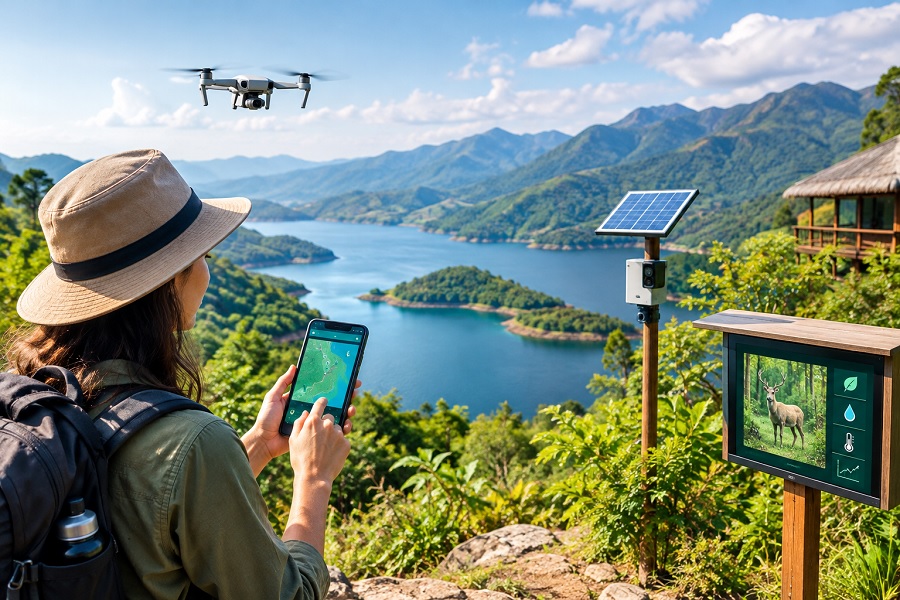
Technology may also support greener travel through better public transportation systems, electric mobility, smart destination management and improved information about sustainable accommodation.
Travellers are also becoming more interested in experiences that create positive impacts, including conservation activities, community tourism and nature education.
The focus is gradually moving beyond traditional sightseeing toward travel that is meaningful, responsible and connected with local communities.
Benefits of Green Travel
Green travel can provide benefits for both travellers and destinations:
Helps protect natural environments
Supports local communities
Encourages responsible tourism
Reduces unnecessary waste
Promotes nature conservation
Creates authentic travel experiences
Encourages cultural understanding
Supports sustainable local businesses
Promotes healthier outdoor activities
Helps preserve destinations for future generations
Conclusion
Green Travel Experiences offer a better way to explore the world while respecting nature, culture and local communities. From eco-lodge stays and cycling holidays to community tourism and responsible wildlife experiences, sustainable travel provides opportunities for meaningful adventures.
The future of tourism depends on balancing exploration with responsibility. By making thoughtful choices about transportation, accommodation, food and activities, travellers can enjoy unforgettable journeys while helping protect the destinations they visit.