Orchid Tourism in Northeast India: Discovering Rare Flowers and Natural Heritage
Orchid Tourism in Northeast India: Exploring the Region’s Floral Heritage
Northeast India is one of the most important orchid-rich regions in the country, making it a fascinating destination for nature lovers, photographers, botanists and ecotourists. The region's combination of Himalayan landscapes, dense forests, high rainfall, varied elevations and rich biodiversity creates ideal conditions for orchids.
A Himalayan Ecology publication records 856 orchid species in North Eastern India, with Arunachal Pradesh and Sikkim among the leading states for orchid diversity.
What Is Orchid Tourism?
Orchid tourism is a nature-based form of travel focused on discovering orchids in their natural habitats, orchid gardens, conservation centres, nurseries, festivals and research institutions.
It can include:
Orchid sanctuary visits
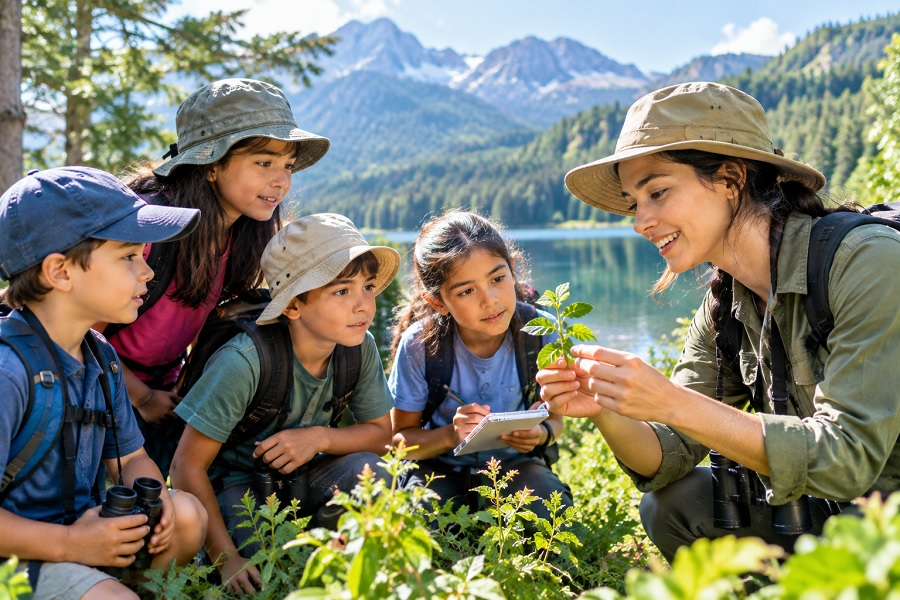
Guided nature walks
Botanical tours
Orchid photography
Conservation education
Orchid festivals
Botanical garden visits
Nursery experiences
Local community tourism
Nature and wildlife excursions
Orchid tourism is particularly valuable because it connects tourism with biodiversity awareness and conservation.
Why Northeast India Is Ideal for Orchid Tourism
The Northeast has exceptional ecological diversity. Arunachal Pradesh alone is promoted by the state tourism department for its rich orchid wealth, with more than 500 rare orchid species reported in its forests.
Sikkim is another major orchid destination. The state's Forest & Environment Department reports about 550 orchid species, alongside thousands of other flowering plants and extensive Himalayan biodiversity.
The region's forests provide habitats ranging from subtropical environments to temperate and alpine zones, allowing visitors to encounter orchids adapted to very different conditions.
Sessa Orchid Sanctuary, Arunachal Pradesh
One of the most important destinations for orchid tourism is Sessa Orchid Sanctuary in West Kameng district.
The sanctuary covers about 100 square kilometres and provides opportunities for orchid conservation trails, trekking, birdwatching and wildlife photography. The Arunachal Pradesh Forest Department has developed trekking routes that allow visitors to experience orchids within their natural forest habitats.
Sessa is particularly significant for its orchid diversity. Arunachal Tourism reports more than 200 orchid species in the sanctuary, including rare and endemic species.
The surrounding landscape adds to the experience, with forested hills, valleys, streams and waterfalls creating an attractive setting for nature tourism.
Tipi Orchid Research Centre
The Orchid Research and Development Centre at Tipi is another important attraction connected with orchid tourism in Arunachal Pradesh.
Established in 1979, the centre works on orchid exploration, cultivation, conservation, research and multiplication of rare species. It also maintains orchid collections and has undertaken work involving tissue culture techniques.
For visitors, such centres demonstrate that orchids are not simply ornamental flowers. They are also subjects of scientific research and biodiversity conservation.
Orchid Tourism in Sikkim
Sikkim offers another major orchid tourism experience in Northeast India. Its forests and protected areas contain a remarkable variety of orchids and other Himalayan flora.
The state has also developed dedicated orchid attractions that make orchid diversity easier for visitors to experience.
Swarna Jayanti Maitreya Manjari Orchidarium
Located on Ridge Road in Gangtok, the Swarna Jayanti Maitreya Manjari Orchidarium is a major newer attraction for orchid enthusiasts.
The facility opened to the public in September 2025 and includes native and exotic orchids, an orchid exhibition area, botanical models and educational displays focused on orchid biodiversity, conservation and cultivation.
In May 2026, the President of India visited the orchidarium, where ICAR officials highlighted Sikkim's orchid wealth and conservation efforts. ICAR reported that Sikkim is home to nearly 560 orchid species.
This makes Gangtok an increasingly accessible starting point for travelers interested in orchid tourism.
Indian Orchid Festival
Festival tourism adds another dimension to orchid travel.
The Indian Orchid Festival 2026 was held from March 7 to 10 at the ICAR-National Research Centre for Orchids in Pakyong, Sikkim, under the theme "Orchids for Beauty and Prosperity."
The festival featured:
Orchid exhibitions
Orchid competitions
Photography competitions
Orchid hybrids
Nursery displays
Workshops
Training programmes
Buyers-sellers meetings
Cultural performances
Floriculture discussions
More than 200 exhibitors participated, while more than 300 students from schools and colleges took part in educational activities.
Such festivals can help transform orchid tourism from a simple sightseeing activity into a broader cultural, educational and economic experience.
Orchid Tourism Beyond Sikkim and Arunachal Pradesh
Although Arunachal Pradesh and Sikkim are particularly prominent, orchid diversity extends across the wider Northeast.
The Himalayan Ecology publication identifies substantial orchid diversity in Meghalaya, Assam, Nagaland, Manipur and Tripura as well.
This creates opportunities to develop interconnected orchid tourism circuits rather than focusing on a single destination.
For example, travelers could combine:
Sikkim: Orchidarium and Himalayan nature experiences
Arunachal Pradesh: Sessa Orchid Sanctuary and Tipi Orchid Research Centre
Meghalaya: Forest, waterfall and biodiversity tourism
Assam: Botanical and wildlife experiences
Nagaland and Manipur: Community, cultural and biodiversity tourism
Such circuits can combine flowers with landscapes, wildlife, indigenous cultures and local cuisine.
Orchid Photography Tourism
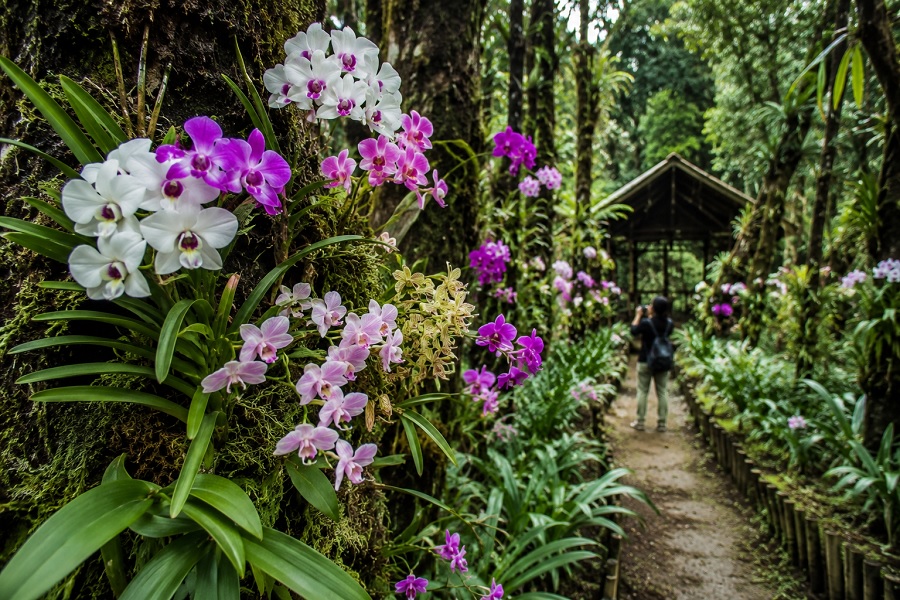
Orchids are particularly attractive subjects for nature photography because of their unusual shapes, colors and growing environments.
Photographers can focus on:
Close-up flower photography
Macro photography
Orchids growing on trees
Forest landscapes
Orchid-and-insect interactions
Botanical documentation
Seasonal flowering
Orchid conservation activities
Traditional cultivation
Orchid festivals
However, photographers should avoid removing plants, damaging trees or disturbing natural habitats to obtain photographs.
Orchids and Biodiversity Conservation
Orchid tourism can contribute to conservation when it is responsibly managed.
Sessa Orchid Sanctuary demonstrates how protected areas can combine conservation with nature-based tourism. Its orchid trails allow visitors to experience the plants without turning natural habitats into conventional gardens.
Conservation-focused tourism can also generate awareness about threats facing wild orchids, including habitat loss, illegal collection and unsustainable harvesting.
The Government of India's Himalayan studies programme is also supporting work that seeks to promote sustainable economic activities around orchid biodiversity while safeguarding natural orchid wealth in Arunachal Pradesh.
Community Benefits of Orchid Tourism
Orchid tourism can provide opportunities for communities living near biodiversity-rich landscapes.
Potential benefits include:
Local guide employment
Homestay income
Nursery businesses
Handicraft sales
Local food experiences
Nature interpretation services
Photography tours
Transport services
Community conservation programmes
Floriculture-related entrepreneurship
The Indian Orchid Festival 2026 also highlighted entrepreneurship and livelihood opportunities connected with floriculture and orchid cultivation.
This can make orchid tourism a useful component of community-based ecotourism.
Best Experiences for Travelers
Travelers interested in orchid tourism can create a varied itinerary rather than spending the entire trip looking for flowers.
Orchid Nature Walks
Guided walks through forests can help visitors understand where orchids grow and how they interact with other plants.
Botanical Garden Visits
Orchidariums provide an easier way to see multiple species in one location and learn about their conservation.
Wildlife and Birdwatching
Many orchid-rich forests also support birds, butterflies, mammals and other plants, allowing travelers to combine orchid tourism with broader biodiversity experiences.
Local Cultural Experiences
Northeast India has diverse communities with distinctive food, traditions, crafts and festivals. Combining these experiences with orchid tourism can create a richer journey.
Photography Trips
Dedicated nature photography tours can focus on orchids, landscapes, wildlife and local life.
Best Time for Orchid Tourism
The best time varies according to destination and species. Orchid flowering is seasonal, and visitors should check local tourism authorities, botanical institutions and conservation centres before planning a trip.
Weather is also important. Northeast India can experience substantial rainfall, particularly during the monsoon period. Travelers planning forest walks should therefore check current weather and trail conditions.
Rather than assuming that every orchid will be flowering at the same time, visitors should identify specific species or destinations they want to see before choosing travel dates.
Responsible Orchid Tourism
Responsible behavior is essential because wild orchids are part of fragile ecosystems.
Visitors should:
Never uproot wild orchids.
Avoid collecting flowers from protected areas.
Stay on designated trails.
Follow sanctuary regulations.
Avoid damaging host trees.
Do not disturb wildlife.
Use local guides where appropriate.
Avoid purchasing illegally collected wild orchids.
Follow photography restrictions.
Support legitimate conservation and nursery initiatives.
The goal of orchid tourism should be to observe and appreciate orchids without damaging the habitats that sustain them.
Future of Orchid Tourism in Northeast India
Orchid tourism has considerable potential to become an important niche within Northeast India's ecotourism sector.
New orchidariums, festivals, conservation programmes, research institutions and community-based tourism initiatives can make the region more attractive to domestic and international nature travelers.
Sikkim's new orchidarium and the Indian Orchid Festival demonstrate how orchid conservation can be connected with public education, tourism and economic opportunities.
Arunachal Pradesh, meanwhile, offers the opportunity to experience orchids directly within protected forest landscapes such as Sessa.
Conclusion
Orchid Tourism in Northeast India offers a distinctive combination of biodiversity, adventure, photography, science and local culture. From the orchid-rich forests of Arunachal Pradesh to Sikkim's orchidariums and festivals, travelers can discover an extraordinary part of India's natural heritage.
The real strength of orchid tourism lies in its connection with conservation. When visitors choose responsible experiences, support local communities and respect natural habitats, tourism can help increase awareness and create economic incentives for protecting these remarkable plants.
For nature lovers seeking an unusual travel experience in 2026, Northeast India's orchid landscapes offer an opportunity to explore one of the country's richest botanical treasures.