Women Empowerment Through Ecotourism
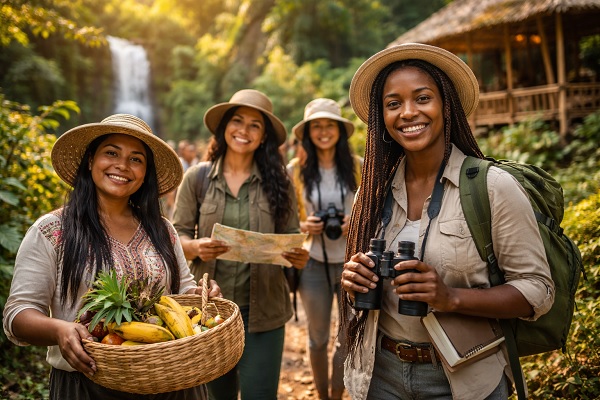
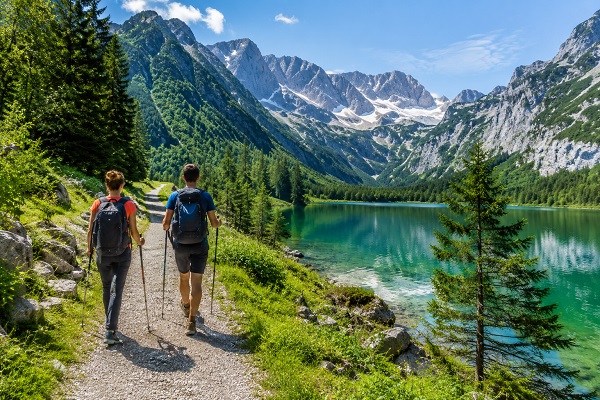
Ecotourism has emerged as a powerful tool not only for environmental conservation but also for social transformation—especially in empowering women across rural and indigenous communities. By creating sustainable livelihood opportunities, promoting financial independence, and encouraging leadership roles, ecotourism is helping women redefine their place in society while preserving cultural and natural heritage.
Economic Independence and Livelihood Opportunities
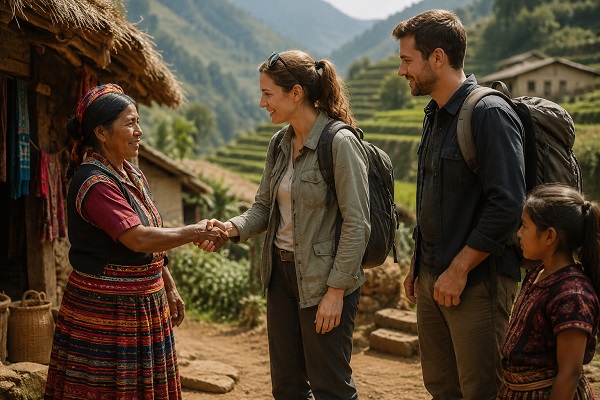
One of the most significant impacts of ecotourism is its ability to provide women with stable income sources. From managing eco-lodges and homestays to working as local guides, artisans, and entrepreneurs, women are increasingly becoming key stakeholders in the tourism value chain. These opportunities reduce dependency on traditional income sources and allow women to contribute meaningfully to their households.
Skill Development and Education
Ecotourism initiatives often include training programs that equip women with essential skills such as hospitality management, language communication, handicraft production, and digital marketing. These skills not only enhance their employability but also boost their confidence and decision-making abilities. Education through such programs opens doors to long-term growth and self-reliance.
Strengthening Community Leadership
Women involved in ecotourism frequently take on leadership roles within their communities. They participate in decision-making processes related to tourism planning, environmental conservation, and cultural preservation. This shift challenges traditional gender roles and encourages inclusive governance at the grassroots level.
Preservation of Culture and Traditions
Women play a vital role in preserving local traditions, crafts, and cuisines. Through ecotourism, they get a platform to showcase their cultural heritage to global travelers. Whether it’s traditional cooking, weaving, or storytelling, these activities not only generate income but also ensure that cultural identities are sustained for future generations.
Environmental Stewardship
Women are often at the forefront of environmental conservation efforts in ecotourism destinations. Their involvement in activities like forest protection, waste management, and sustainable farming practices contributes to maintaining ecological balance. Empowered women become advocates for sustainable living and inspire others to follow eco-friendly practices.
Social Empowerment and Gender Equality
Participation in ecotourism helps break social barriers that have historically limited women’s roles. Financial independence and community recognition lead to improved self-esteem and greater respect within families and society. Over time, this contributes to narrowing gender gaps and promoting equality.
Challenges and the Way Forward
Despite its benefits, women in ecotourism still face challenges such as limited access to funding, lack of formal education, and societal restrictions. Addressing these issues requires supportive government policies, access to microfinance, and inclusive training programs. Encouraging partnerships between NGOs, local communities, and private sectors can further strengthen women’s participation.
Conclusion
Women empowerment through ecotourism is a win-win approach—benefiting individuals, communities, and the environment. By supporting eco-friendly travel initiatives that prioritize women’s involvement, travelers can contribute to a more sustainable and equitable world. As ecotourism continues to grow, it holds immense potential to uplift women and transform communities globally.