Rainwater Harvesting in Resorts: A Sustainable Solution for the Future of Hospitality
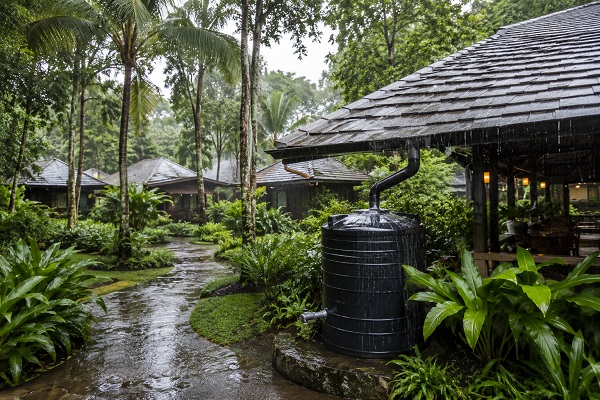
As sustainability becomes a key focus in the tourism and hospitality industry, resorts around the world are adopting eco-friendly practices to reduce their environmental impact. One of the most effective and practical solutions is rainwater harvesting. By collecting and storing rainwater for various uses, resorts can significantly reduce their dependence on municipal water supplies while contributing to environmental conservation.
What is Rainwater Harvesting?
Rainwater harvesting is the process of collecting, filtering, storing, and utilizing rainwater that falls on rooftops, open spaces, and other catchment areas. The collected water can be used for landscaping, irrigation, cleaning, laundry services, toilet flushing, and even treated for potable use where regulations permit.
Why Resorts Need Rainwater Harvesting
Resorts often consume large quantities of water to maintain gardens, swimming pools, guest rooms, restaurants, and recreational facilities. In many tourist destinations, especially islands and coastal regions, freshwater resources are limited. Rainwater harvesting provides a reliable alternative source of water, helping resorts reduce costs and preserve local water resources.
Key Benefits
Reduces Water Bills
By utilizing harvested rainwater for non-drinking purposes, resorts can lower their water consumption from municipal supplies and reduce utility expenses.
Supports Environmental Sustainability
Rainwater harvesting minimizes groundwater extraction and helps maintain natural water balances, supporting local ecosystems and biodiversity.
Enhances Water Security
During droughts or water shortages, stored rainwater serves as an emergency reserve, ensuring uninterrupted resort operations.
Reduces Stormwater Runoff
Collecting rainwater prevents excessive runoff, reducing soil erosion, flooding risks, and pollution entering nearby rivers and oceans.
Strengthens Eco-Tourism Appeal
Modern travelers increasingly prefer environmentally responsible accommodations. Resorts with visible sustainability initiatives often attract eco-conscious guests and improve their brand reputation.
Applications of Harvested Rainwater in Resorts
Landscape and garden irrigation
Golf course maintenance
Toilet flushing systems
Outdoor cleaning and maintenance
Laundry operations
Decorative fountains and water features
Fire safety reserves
Swimming pool top-ups after proper treatment
Steps to Implement Rainwater Harvesting
Assess Water Demand
Resorts should analyze their daily water consumption patterns and identify areas where harvested rainwater can be utilized effectively.
Design Collection Systems
Rooftops, parking structures, and other surfaces can be used as catchment areas connected to gutters and storage tanks.
Install Filtration Units
Basic filtration systems remove leaves, debris, and contaminants before water enters storage facilities.
Create Storage Infrastructure
Underground reservoirs or above-ground tanks should be sized according to local rainfall patterns and resort requirements.
Monitor Water Quality
Regular testing and maintenance ensure that harvested water remains safe for its intended uses.
Challenges and Considerations
While rainwater harvesting offers numerous advantages, resorts must consider installation costs, maintenance requirements, water quality standards, and local regulations. Proper planning and professional system design are essential for maximizing efficiency and long-term benefits.
The Future of Sustainable Resorts
As climate change and water scarcity become growing concerns, rainwater harvesting is expected to play a critical role in sustainable hospitality. Resorts that invest in water conservation technologies today will not only reduce operating costs but also enhance guest satisfaction and demonstrate environmental leadership.
Conclusion
Rainwater harvesting is more than just a conservation strategy—it is a smart investment for resorts seeking long-term sustainability. By capturing and utilizing natural rainfall, resorts can reduce their environmental footprint, improve water resilience, and meet the expectations of modern travelers who value responsible tourism. As the hospitality industry moves toward greener operations, rainwater harvesting stands out as one of the most practical and impactful solutions available.