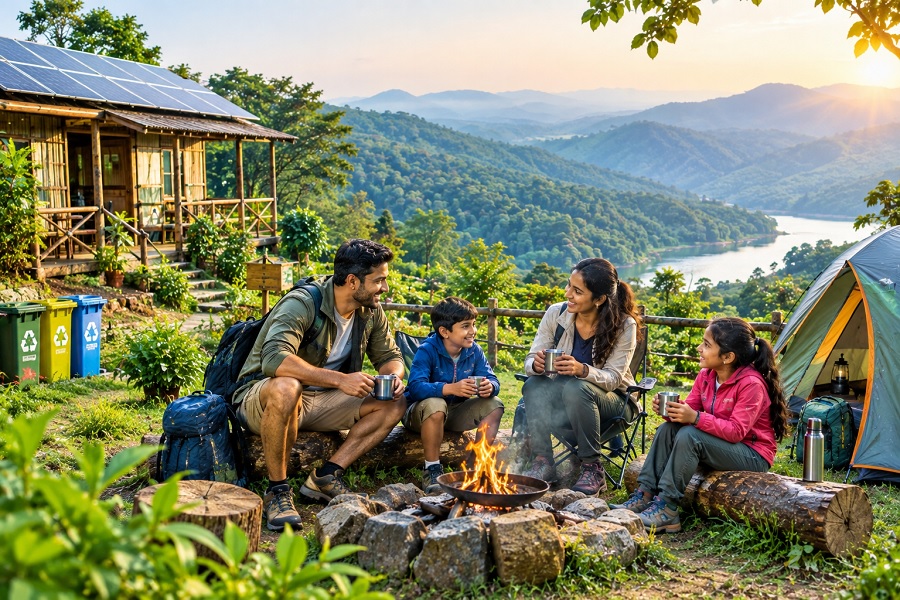
Eco-Friendly Vacation Ideas: Travel the World While Protecting the Planet

Travel is one of life's greatest pleasures, offering unforgettable experiences, cultural discoveries, and breathtaking landscapes. However, tourism also has a significant environmental impact, from carbon emissions to plastic pollution and habitat destruction. The good news is that sustainable travel is becoming more accessible than ever. By making mindful choices, travelers can enjoy incredible adventures while preserving nature for future generations.
What Is Eco-Friendly Travel?
Eco-friendly travel, also known as sustainable tourism, focuses on minimizing environmental impact while supporting local communities and conserving natural resources. It encourages responsible travel practices that protect ecosystems, wildlife, and cultural heritage.
Choose Sustainable Transportation
Transportation is one of the largest contributors to travel-related carbon emissions. Whenever possible:
Travel by train instead of taking short-haul flights.
Use public transportation in cities.
Rent bicycles or walk to nearby attractions.
Choose electric or hybrid rental vehicles.
Offset your carbon emissions when flying.
These choices significantly reduce your environmental footprint.
Stay at Eco-Friendly Accommodations
Many hotels, resorts, and lodges now prioritize sustainability by implementing green initiatives such as:
Solar energy usage
Rainwater harvesting
Energy-efficient lighting
Plastic-free amenities
Organic gardens
Recycling programs
Look for accommodations with recognized sustainability certifications before booking.
Support Local Communities
Responsible tourism benefits local economies by encouraging visitors to:
Stay in locally owned guesthouses.
Eat at family-run restaurants.
Hire local guides.
Purchase handmade crafts.
Participate in community-based tourism experiences.
Supporting local businesses helps preserve traditions while creating sustainable livelihoods.
Reduce Plastic Waste
Single-use plastics are among the biggest environmental challenges facing travelers. Pack reusable essentials such as:
Water bottles
Coffee cups
Shopping bags
Food containers
Metal straws
Reusable cutlery
Small actions can prevent hundreds of plastic items from entering landfills and oceans.
Respect Wildlife
Ethical wildlife tourism is essential for conservation. Choose experiences that prioritize animal welfare by:
Observing wildlife from a safe distance.
Avoiding attractions that exploit animals.
Never feeding wild animals.
Supporting wildlife sanctuaries focused on rescue and rehabilitation.
Following park guidelines.
Responsible wildlife encounters help protect biodiversity.
Explore Nature Responsibly
When hiking, camping, or visiting natural attractions:
Stay on marked trails.
Carry out all trash.
Avoid disturbing plants and wildlife.
Use biodegradable toiletries.
Camp only in designated areas.
Leave natural surroundings exactly as you found them.
Following the "Leave No Trace" principles helps preserve ecosystems.
Eat Sustainable Food
Food choices also influence your environmental impact. Consider:
Eating locally grown produce.
Trying seasonal dishes.
Choosing restaurants that source ingredients responsibly.
Reducing food waste.
Including more plant-based meals during your trip.
Local cuisine often provides a richer cultural experience while reducing transportation emissions.
Pack Light
A lighter suitcase means lower fuel consumption during transportation. Pack only what you need, including:
Multi-purpose clothing
Reusable toiletries
Eco-friendly sunscreen
Rechargeable electronics
Refillable hygiene products
Smart packing benefits both travelers and the environment.
Visit Less Crowded Destinations
Overtourism puts immense pressure on popular destinations. Instead of crowded tourist hotspots, explore lesser-known villages, national parks, countryside retreats, and emerging eco-tourism destinations. These places often provide authentic experiences while reducing pressure on heavily visited locations.
Participate in Conservation Activities
Many destinations offer opportunities to contribute positively by:
Beach clean-up events
Tree planting programs
Wildlife conservation projects
Coral reef restoration
Environmental education tours
These activities allow travelers to give back to the places they visit.
Save Energy During Your Stay
Simple habits make a difference:
Turn off lights when leaving your room.
Reuse towels and bed linens.
Limit air conditioning use.
Take shorter showers.
Unplug chargers when not in use.
Collectively, these actions significantly reduce resource consumption.
Benefits of Eco-Friendly Vacations
Choosing sustainable travel offers numerous advantages:
Reduces environmental impact.
Protects wildlife and ecosystems.
Supports local communities.
Preserves cultural heritage.
Creates meaningful travel experiences.
Encourages responsible tourism worldwide.
Final Thoughts
Eco-friendly vacations are not about sacrificing comfort or adventure—they're about making smarter travel choices. Whether you're hiking through forests, relaxing on pristine beaches, exploring vibrant cities, or visiting remote villages, every responsible decision contributes to a healthier planet. Sustainable travel allows you to create unforgettable memories while helping protect the destinations you love for generations to come.