Wildlife Protection Through Tourism
Wildlife protection is one of the most critical environmental concerns of our time, and tourism—when managed responsibly—can play a powerful role in conserving biodiversity. Ecotourism, in particular, focuses on preserving natural habitats, protecting endangered species, and supporting local communities while offering travelers meaningful experiences in nature.
How Tourism Supports Wildlife Conservation
Responsible tourism generates revenue that can be directly invested in conservation efforts. National parks, wildlife sanctuaries, and protected reserves rely heavily on tourist entry fees, guided tours, and eco-lodges to fund their operations. This income helps in anti-poaching measures, habitat restoration, wildlife monitoring, and maintaining ecological balance.
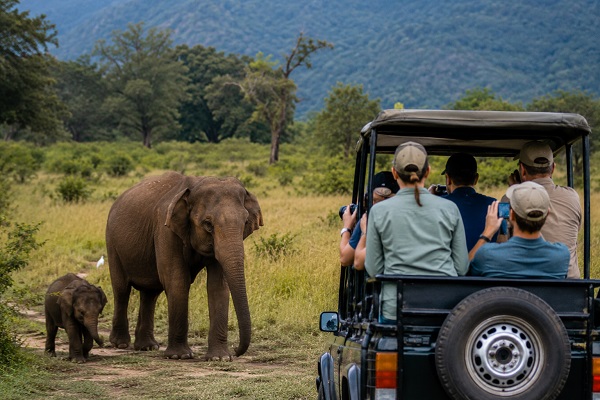
For example, in countries like India, Africa, and Costa Rica, wildlife tourism contributes significantly to protecting iconic species such as tigers, elephants, and rhinos. When local communities benefit financially from tourism, they are more likely to support conservation instead of exploiting natural resources.
Role of Local Communities
Community involvement is a key pillar of wildlife protection through tourism. Eco-tourism initiatives often create jobs such as guides, naturalists, drivers, and hospitality staff. This provides alternative livelihoods, reducing dependence on activities like hunting or deforestation.
Moreover, local people become ambassadors of conservation. Their traditional knowledge combined with modern eco-practices enhances the overall protection of ecosystems.
Promoting Sustainable Practices
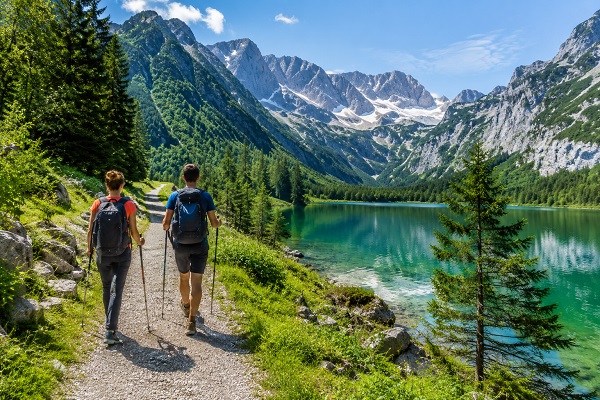
Tourists play an equally important role. By choosing eco-friendly accommodations, avoiding plastic waste, respecting wildlife boundaries, and following park rules, travelers can minimize their environmental impact.
Sustainable tourism practices include:
Maintaining safe distance from animals
Avoiding feeding wildlife
Supporting eco-certified businesses
Reducing carbon footprint during travel
These small actions collectively make a significant difference in preserving fragile ecosystems.
Raising Awareness and Education
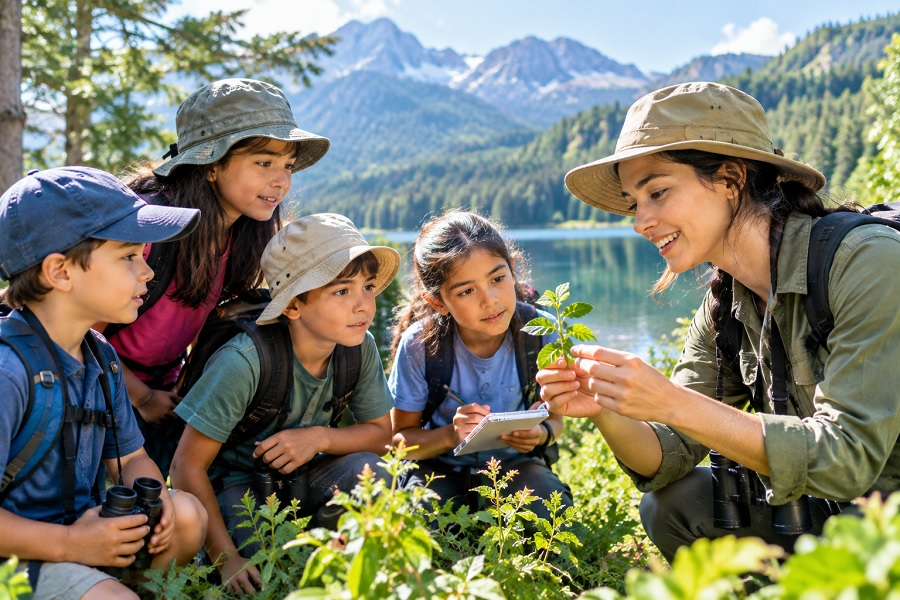
Wildlife tourism also helps spread awareness about endangered species and environmental issues. Guided safaris, nature walks, and interpretation centers educate visitors about biodiversity and the importance of conservation.
When tourists witness wildlife in their natural habitat, it creates a deeper emotional connection, inspiring them to support conservation efforts even after their journey ends.
Challenges to Address
While tourism has many benefits, uncontrolled or mass tourism can harm wildlife. Issues like habitat disturbance, pollution, overcrowding, and unethical practices (like animal exploitation) must be strictly managed.
Governments and organizations must enforce regulations, limit visitor numbers, and promote responsible tourism models to ensure long-term sustainability.
Conclusion
Wildlife protection through tourism is a powerful example of how economic development and environmental conservation can go hand in hand. When tourism is ethical, sustainable, and community-driven, it not only protects wildlife but also creates a positive impact on people and the planet.
By becoming responsible travelers, we all contribute to preserving the beauty and diversity of our natural world for future generations.