Tiger Reserves and Eco Travel: Protecting Wildlife While Exploring Nature

Tiger reserves are among the most fascinating and ecologically rich travel destinations, offering a rare opportunity to witness wildlife in its natural habitat. With the growing importance of sustainable tourism, eco travel in tiger reserves has become a powerful way to balance conservation with responsible exploration. Travelers today are not just tourists—they are contributors to wildlife preservation and environmental protection.
What Makes Tiger Reserves Special?
Tiger reserves are protected areas specifically designated to conserve tigers and their ecosystems. These regions are home to diverse flora and fauna, including leopards, elephants, deer, birds, and countless plant species. The dense forests, grasslands, and water bodies create a thriving biodiversity hotspot, making them ideal for eco-conscious travel.
In India, famous reserves like Ranthambore, Bandhavgarh, Kanha, and Sundarbans attract nature lovers and wildlife enthusiasts from around the world. These reserves play a critical role in protecting endangered species and maintaining ecological balance.
The Role of Ecotourism in Tiger Reserves
Ecotourism focuses on minimizing environmental impact while supporting conservation efforts and local communities. When managed responsibly, tourism in tiger reserves helps:
Generate funds for wildlife conservation
Create employment for local communities
Raise awareness about endangered species
Encourage preservation of natural habitats
Entry fees, safari charges, and eco-lodge stays often directly contribute to maintaining the reserves and funding anti-poaching initiatives.
Responsible Wildlife Safaris
One of the main attractions in tiger reserves is the safari experience. However, eco travel emphasizes responsible behavior:
Maintain safe distance from animals
Avoid loud noises and disturbances
Follow park rules and guidelines
Limit vehicle numbers in sensitive zones
These practices ensure that wildlife remains undisturbed while visitors enjoy an authentic experience.
Eco-Friendly Stays Near Reserves
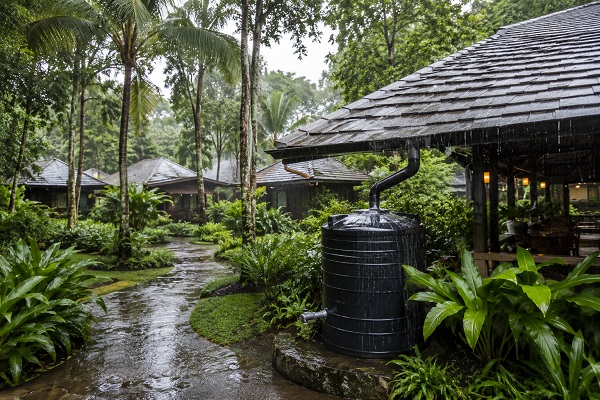
Eco lodges and sustainable accommodations near tiger reserves are designed to blend with nature. Many use solar energy, rainwater harvesting, and locally sourced materials. Staying at such places not only reduces your environmental footprint but also supports local livelihoods.
Supporting Local Communities
Eco travel in tiger reserves often includes interaction with nearby villages and indigenous communities. Travelers can:
Purchase local handicrafts
Participate in cultural experiences
Hire local guides and naturalists
This ensures that tourism benefits reach grassroots levels and encourages communities to actively protect wildlife.
Challenges and the Way Forward
While ecotourism brings many benefits, unregulated tourism can harm fragile ecosystems. Overcrowding, pollution, and irresponsible behavior can disturb wildlife. Therefore, strict policies, awareness, and responsible travel choices are essential.
The future of eco travel in tiger reserves lies in sustainable practices, limited tourism, and community involvement.
Conclusion
Tiger reserves are not just travel destinations—they are vital conservation zones. By choosing eco travel, visitors become partners in preserving these magnificent landscapes and the majestic tiger. Responsible tourism ensures that future generations can continue to experience the beauty of wildlife in its purest form.