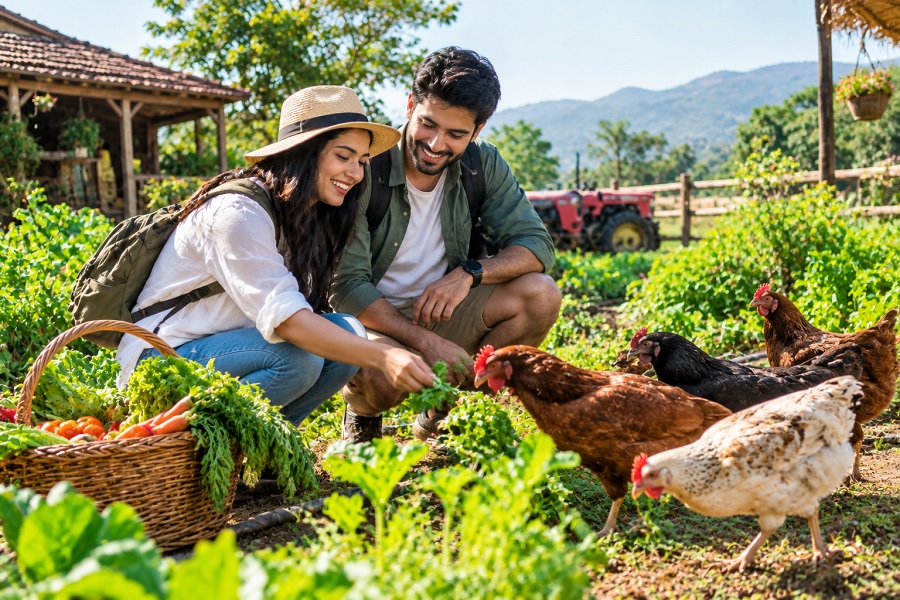
Sustainable Food While Traveling: Eat Responsibly, Travel Meaningfully

Traveling is one of life’s greatest pleasures, but the choices we make on the road—especially when it comes to food—can have a lasting impact on the environment, local communities, and global sustainability. Sustainable food while traveling is about making mindful decisions that support local economies, reduce environmental harm, and promote ethical consumption.
What is Sustainable Food in Travel?
Sustainable food refers to meals that are sourced, prepared, and consumed in a way that minimizes environmental impact while supporting local farmers and communities. It focuses on fresh, seasonal, organic, and locally-produced ingredients, reducing the carbon footprint associated with transportation and mass production.
Why Sustainable Eating Matters While Traveling
When travelers choose sustainable food options, they contribute to:
Reducing carbon emissions by avoiding imported and processed foods
Supporting local economies by buying from small vendors and farmers
Preserving cultural heritage through traditional cuisines
Minimizing waste by reducing plastic packaging and food wastage
Tips for Eating Sustainably While Traveling
1. Choose Local and Seasonal Foods
Eating locally-grown food not only ensures freshness but also reduces the environmental cost of transportation. Visit local markets, street food stalls, and family-run restaurants to experience authentic cuisine.
2. Support Farm-to-Table Restaurants
Farm-to-table dining emphasizes fresh ingredients sourced directly from local farms. These establishments prioritize sustainability and transparency in their food supply.
3. Reduce Food Waste
Order only what you can eat and avoid over-ordering. If possible, carry leftovers in reusable containers.
4. Avoid Single-Use Plastics
Carry reusable water bottles, cutlery, and shopping bags to minimize waste. Many destinations are now promoting plastic-free tourism.
5. Try Plant-Based Meals
Plant-based diets generally have a lower environmental impact. Exploring vegetarian or vegan local dishes can be both eco-friendly and culturally enriching.
6. Respect Local Food Culture
Understanding and respecting local traditions helps preserve culinary heritage and supports sustainable practices.
Sustainable Food Experiences to Try
Visiting organic farms and participating in harvest activities
Joining local cooking classes using traditional ingredients
Exploring farmers' markets and eco-food festivals
Staying at eco-lodges that serve organic, homegrown meals
The Bigger Impact
Sustainable food choices during travel go beyond personal health—they contribute to global environmental conservation and cultural preservation. Every meal becomes an opportunity to make a positive impact.
By embracing sustainable eating habits, travelers can enjoy authentic experiences while ensuring that their journeys leave a lighter footprint on the planet.