Role of Governments in Ecotourism
Ecotourism has emerged as a powerful approach to promote sustainable travel while preserving the environment and supporting local communities. Governments play a central role in shaping, regulating, and promoting ecotourism to ensure that it balances economic growth with environmental conservation and cultural preservation.
Policy Framework and Regulation
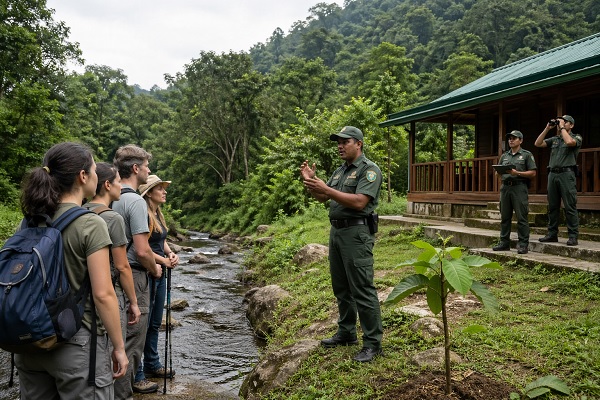
One of the primary responsibilities of governments is to create strong policies and regulations that guide ecotourism activities. These policies help protect fragile ecosystems such as forests, wetlands, and wildlife reserves. Governments establish protected areas like UNESCO World Heritage Sites and national parks, ensuring that tourism activities are controlled and sustainable. Regulations also include limiting tourist numbers, enforcing waste management rules, and preventing illegal activities like poaching and deforestation.
Infrastructure Development
Governments invest in eco-friendly infrastructure to support tourism without harming the environment. This includes building sustainable accommodations, improving transportation with minimal ecological impact, and ensuring proper sanitation facilities. Destinations like Kerala have successfully implemented eco-friendly tourism models supported by government initiatives, showcasing how infrastructure can align with sustainability goals.
Conservation and Biodiversity Protection
Governments are responsible for safeguarding biodiversity by funding conservation programs and partnering with organizations like the World Wildlife Fund. These efforts focus on protecting endangered species, restoring ecosystems, and maintaining natural habitats. Ecotourism revenues are often reinvested into conservation projects, creating a cycle of sustainability.
Community Involvement and Empowerment
A key aspect of ecotourism is the involvement of local communities. Governments create policies that encourage community participation in tourism activities, ensuring that locals benefit economically. Programs that promote homestays, local guides, and handicrafts help preserve cultural heritage while providing livelihoods. Regions such as Sikkim demonstrate how community-driven ecotourism can thrive under government support.
Education and Awareness
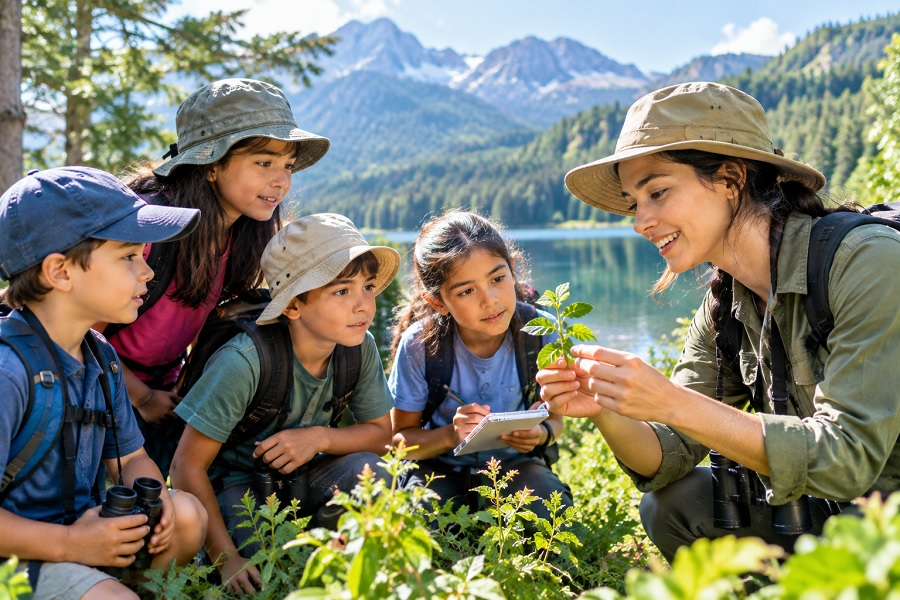
Governments play a crucial role in educating tourists and citizens about sustainable practices. Awareness campaigns, eco-certification programs, and training initiatives help promote responsible tourism behavior. Tourists are encouraged to respect local cultures, reduce waste, and conserve natural resources.
Promotion of Sustainable Tourism
Through marketing campaigns and global partnerships, governments promote ecotourism destinations. Collaborations with international organizations like the United Nations World Tourism Organization help countries adopt best practices and attract eco-conscious travelers.
Monitoring and Evaluation
Governments continuously monitor ecotourism activities to ensure compliance with environmental standards. Regular assessments help identify potential threats and improve policies. This ongoing evaluation ensures that tourism development does not compromise ecological balance.
Conclusion
The role of governments in ecotourism is indispensable. By implementing effective policies, supporting conservation, empowering communities, and promoting sustainable practices, governments ensure that tourism contributes positively to both the environment and society. With the right strategies, ecotourism can become a long-term solution for sustainable development.