Ocean Conservation Education Travel: Exploring, Learning, and Protecting Our Seas
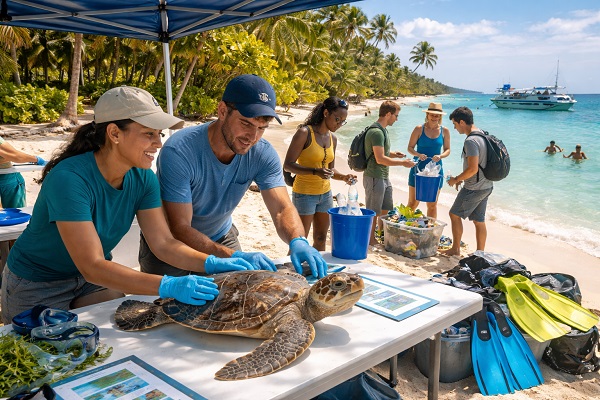
The ocean covers over 70% of the Earth’s surface, yet it remains one of the least explored and most vulnerable ecosystems. Ocean conservation education travel offers a unique way for travelers to immerse themselves in marine environments while contributing to the preservation of these vital ecosystems. Unlike typical vacations, this type of travel combines adventure, learning, and environmental responsibility.
What is Ocean Conservation Education Travel?
Ocean conservation education travel focuses on providing tourists with hands-on experiences to understand marine biodiversity, threats to oceans, and sustainable practices. Activities often include coral reef restoration, marine wildlife monitoring, beach clean-ups, and educational workshops led by marine biologists and conservationists.
Why It Matters
Our oceans face unprecedented threats from climate change, plastic pollution, overfishing, and habitat destruction. By participating in conservation travel programs, visitors not only gain knowledge about these challenges but also contribute directly to efforts that mitigate these threats. Programs often collaborate with local communities, empowering them to protect their natural resources sustainably.
Popular Destinations
Great Barrier Reef, Australia – Participate in coral reef restoration programs and snorkeling tours with marine experts.
Galápagos Islands, Ecuador – Learn about endemic species and conservation initiatives protecting fragile ecosystems.
Palawan, Philippines – Join sea turtle conservation projects and sustainable diving excursions.
Maldives – Support reef restoration projects and attend workshops on marine biodiversity.
Hawaii, USA – Explore marine sanctuaries, engage in coastal clean-ups, and study endangered species protection.
Activities to Engage In
Coral Gardening: Help grow and transplant corals to restore damaged reefs.
Wildlife Monitoring: Track fish, turtles, and seabird populations to assist scientific research.
Beach and Ocean Clean-Ups: Remove debris from coastlines to protect marine life.
Educational Workshops: Learn about sustainable fishing, ocean currents, and climate change impacts.
Citizen Science Programs: Contribute data to ongoing conservation research.
Tips for Responsible Ocean Conservation Travel
Choose certified eco-tour operators and programs with transparent environmental practices.
Avoid single-use plastics and bring reusable water bottles and bags.
Respect local wildlife and maintain safe distances from marine animals.
Learn about local conservation rules and adhere strictly to guidelines.
Spread awareness by sharing your experiences to inspire others to protect the oceans.
The Impact of Ocean Conservation Education Travel
By combining learning with meaningful action, ocean conservation education travel helps protect marine ecosystems while fostering a sense of stewardship in travelers. These trips not only create unforgettable experiences but also leave a positive, lasting impact on our planet’s oceans.