Jungle Trekking for Eco-Conscious Travelers: Explore Nature Responsibly
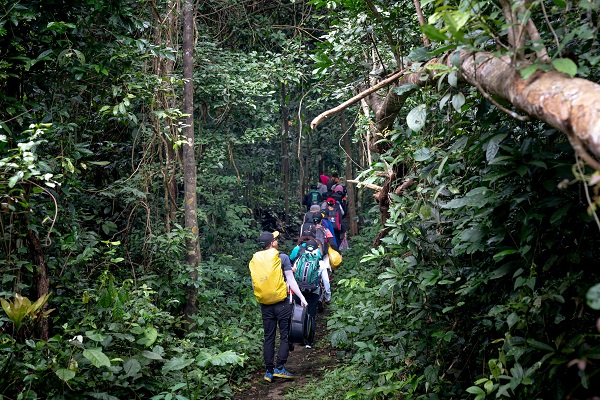
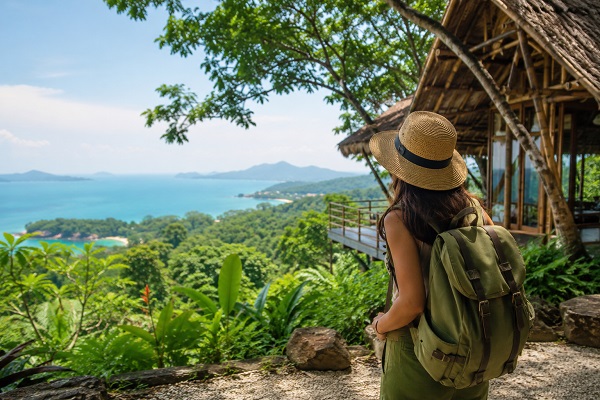
Jungle trekking is more than just an adventure; it is a way to reconnect with nature while promoting environmental conservation. For eco-conscious travelers, trekking through lush forests and wildlife-rich jungles is an opportunity to experience the beauty of the planet responsibly.
Why Jungle Trekking Matters for Eco-Tourism
Eco-tourism emphasizes minimizing environmental impact while supporting local communities and conservation efforts. Jungle trekking allows travelers to:
Observe wildlife without disturbing habitats.
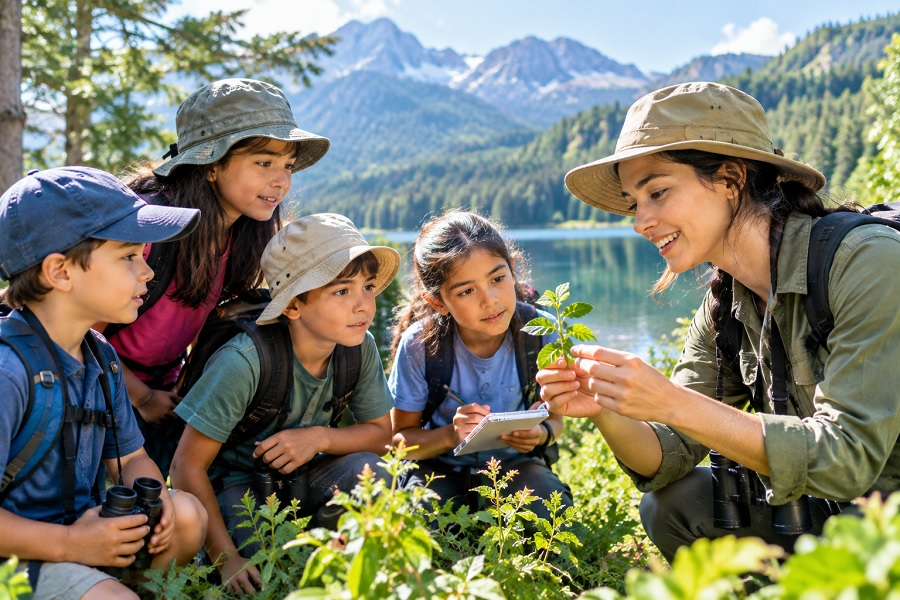
Learn about local flora and fauna.
Support local guides and eco-friendly accommodations.
Participate in conservation programs like tree planting or wildlife monitoring.
Tips for Eco-Friendly Jungle Trekking
Travel with Licensed Eco-Guides: Local guides ensure safe trekking and educate travelers about the ecosystem.
Leave No Trace: Carry reusable water bottles, avoid plastic, and never litter.
Stick to Trails: Avoid creating new paths to protect undergrowth and wildlife habitats.
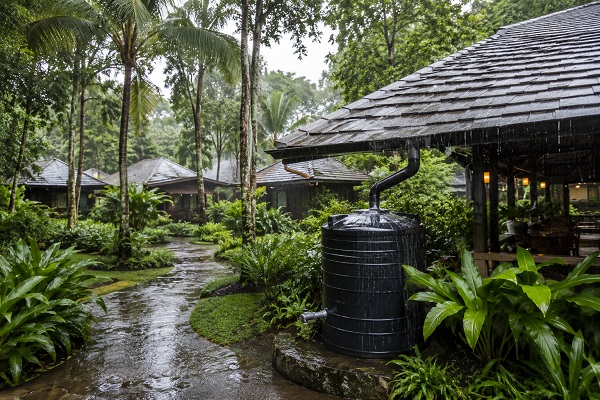
Use Eco-Friendly Gear: Lightweight, biodegradable products reduce environmental impact.
Respect Wildlife: Observe animals from a safe distance and avoid feeding them.
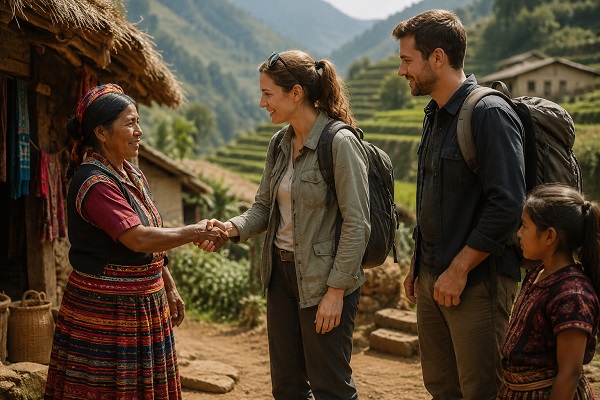
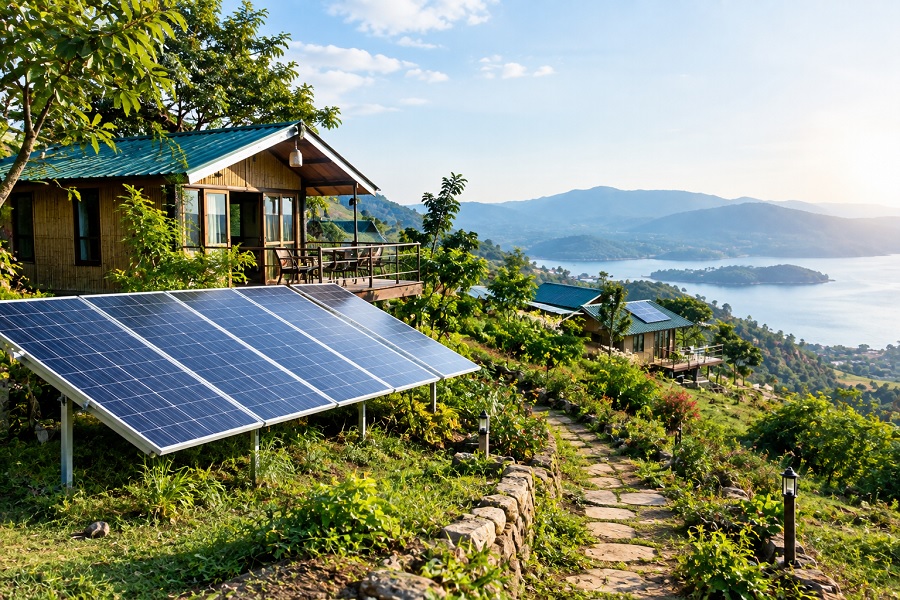
Support Local Communities: Purchase handmade souvenirs, eat local food, and stay in eco-lodges.
Top Destinations for Eco-Conscious Jungle Trekking
Amazon Rainforest, Brazil: Explore the world’s largest tropical rainforest with certified eco-guides.
Kaziranga National Park, India: Trek responsibly while spotting rhinos and exotic birds.
Borneo Rainforest, Malaysia: Join conservation programs protecting orangutans and other species.
Bwindi Impenetrable Forest, Uganda: Experience trekking with mountain gorillas in their natural habitat.
Daintree Rainforest, Australia: Discover rare plants and wildlife on sustainable guided tours.
The Benefits of Jungle Trekking
Environmental Awareness: Witnessing nature up close inspires travelers to adopt eco-friendly habits.
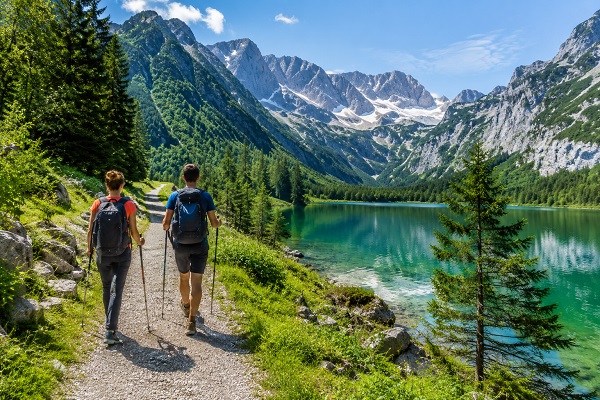
Physical and Mental Wellness: Trekking boosts fitness and reduces stress.
Cultural Learning: Interacting with local communities offers insights into traditional ways of living harmoniously with nature.
Conclusion
For travelers who care about the planet, jungle trekking is a perfect blend of adventure, education, and conservation. By trekking responsibly, supporting local communities, and respecting wildlife, eco-conscious travelers can leave a positive impact while enjoying the wonders of the jungle.