Food Festivals and Culinary Events in 2026: Explore India Through Flavors
Food Festivals and Culinary Events in 2026: A Guide to India's Culinary Experiences
Food festivals and culinary events are becoming an important part of India's tourism landscape. In 2026, travelers can explore destinations through regional cuisine, traditional recipes, street food, cooking demonstrations, local ingredients, food markets, and cultural celebrations.
These events offer more than just opportunities to taste food. They can introduce visitors to local traditions, agricultural products, cooking techniques, family recipes, and the cultural stories connected with different dishes.
What Is Food Festival Tourism?
Food festival tourism involves traveling to a destination specifically to experience its food festivals, culinary events, traditional markets, or regional cuisine.
For travelers, food can be an important way to understand a destination. A regional dish may reflect local agriculture, climate, history, community traditions, and cultural influences.
Why Food Festivals Are Popular With Travelers
Food festivals create opportunities to experience several aspects of a destination in one place. Visitors can sample local specialties, watch cooking demonstrations, meet food producers, explore traditional ingredients, and participate in cultural activities.
For tourists, these events can also provide a reason to visit destinations during specific seasons or festival periods.
Culinary Events to Explore in 2026
Culinary tourism in India includes a wide range of experiences. Travelers can look for:
Regional food festivals
Street food festivals
Traditional food fairs
Cooking workshops
Farm-to-table events
Farmers' markets
Food and craft festivals
Regional cuisine showcases
Dessert festivals
Spice and agricultural fairs
Culinary competitions
Heritage food walks
Event schedules vary by destination, so travelers should check official organizers or tourism authorities for current dates and details before planning a trip.
Regional Cuisine at Food Festivals
India's culinary diversity makes regional food an important attraction. Different states and communities have their own ingredients, cooking methods, spices, breads, sweets, snacks, and traditional meals.
A food festival can allow travelers to experience several regional dishes without visiting multiple locations. Visitors can also use festivals as a starting point for exploring local restaurants, markets, farms, and food-producing areas.
Street Food Festivals
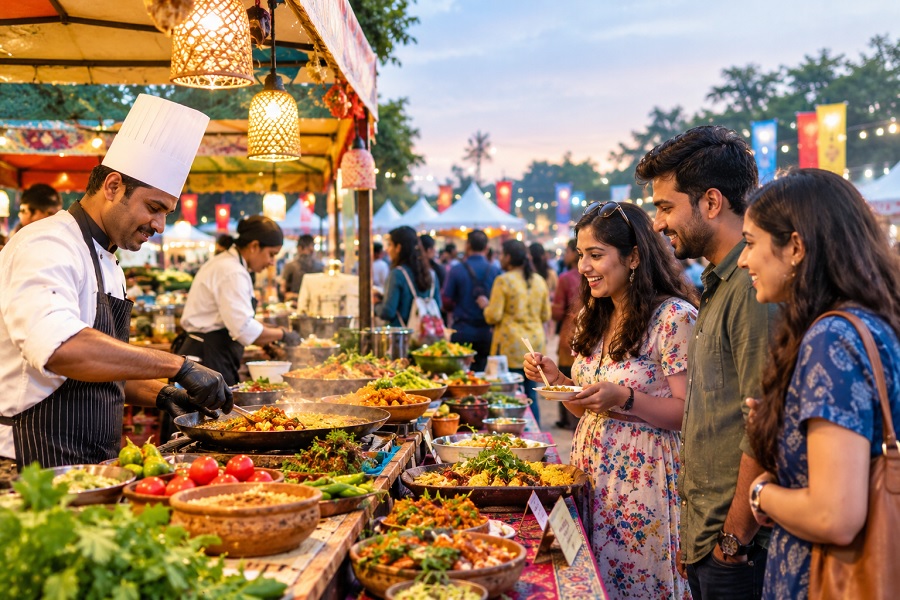
Street food is closely connected with urban food culture in many Indian destinations. Food-focused events can bring together popular snacks and regional specialties in a single location.
Travelers can explore dishes such as chaats, dosas, idlis, kebabs, regional snacks, sweets, stuffed breads, and other local specialties.
When attending street food events, visitors should choose vendors that maintain good food-handling and hygiene practices.
Traditional Food and Cultural Heritage
Traditional cuisine is often closely connected to cultural heritage. Recipes can be passed through generations, with cooking techniques and ingredients reflecting local customs.
Food festivals can help preserve and promote these culinary traditions by giving local cooks, artisans, farmers, and food producers an opportunity to showcase their work.
Farm-to-Table Culinary Experiences
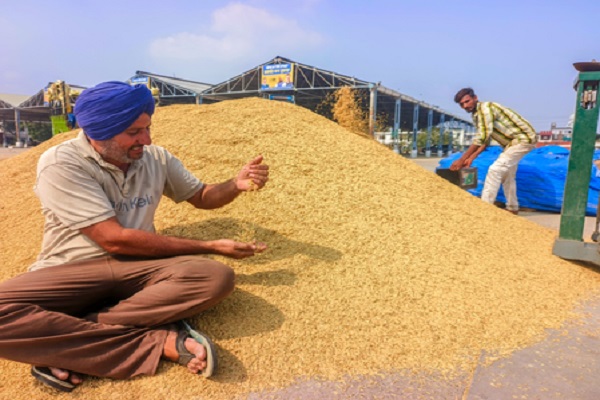
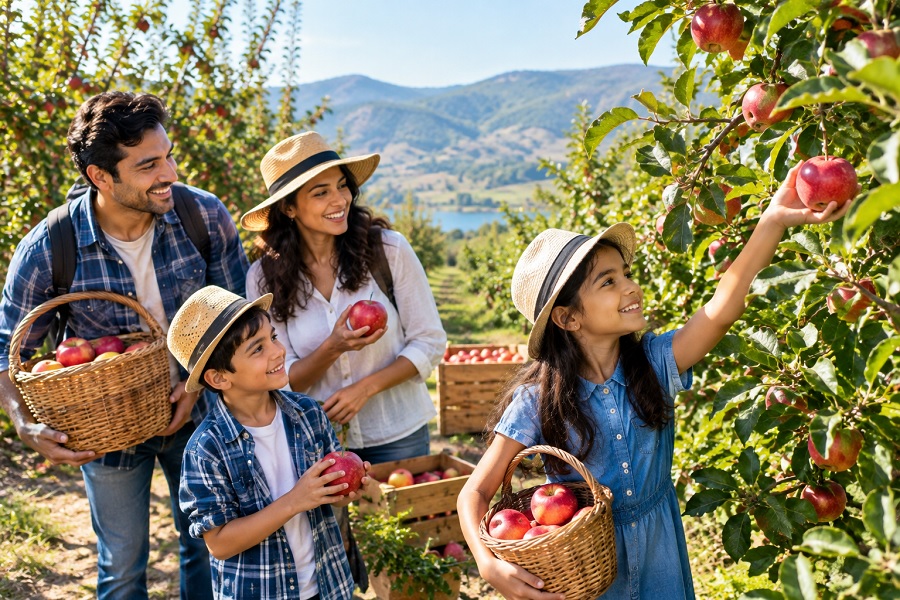
Farm-to-table experiences connect travelers with the origins of their food. Visitors may tour farms, learn about seasonal crops, participate in cooking activities, or enjoy meals prepared with locally sourced ingredients.
Such experiences can be particularly appealing to travelers interested in sustainable tourism and rural experiences.
Vegetarian Food Festivals
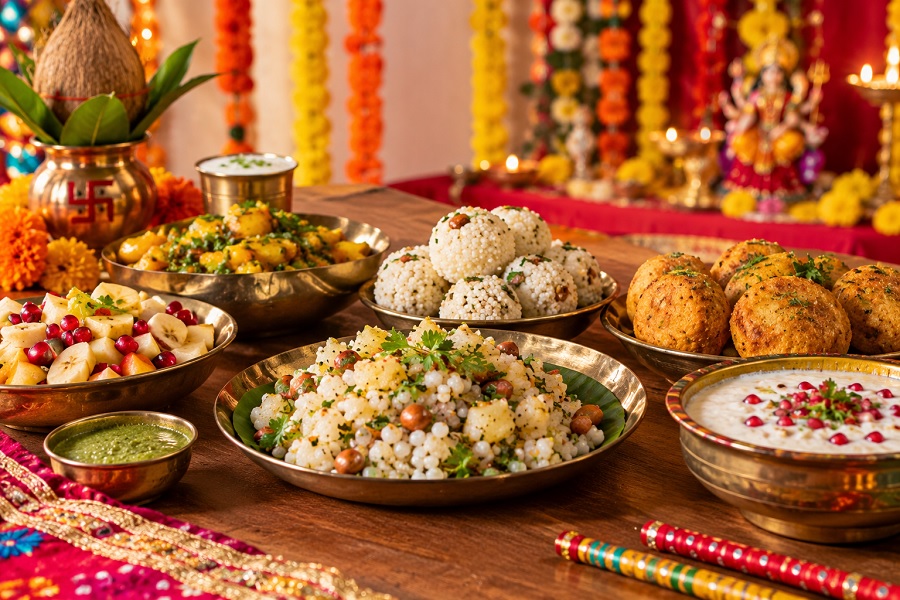
India offers extensive vegetarian culinary traditions, making vegetarian food tourism an important part of the country's travel experience.
Vegetarian-focused festivals and culinary events can showcase regional vegetables, pulses, grains, dairy-based dishes, snacks, sweets, and traditional meals.
Travelers can explore local vegetarian cuisine while learning about the ingredients and cooking methods used in different regions.
Healthy and Wellness Food Events
Health-conscious travelers may also be interested in culinary events featuring nutritious and locally sourced foods.
Events can highlight traditional grains, millets, seasonal vegetables, fruits, fermented foods, herbal ingredients, and balanced regional meals.
These experiences can complement wellness tourism and other health-focused travel activities.
Food Markets and Culinary Tourism
Local food markets can be attractions in their own right. Farmers' markets, spice markets, traditional bazaars, and specialty food markets provide opportunities to see ingredients used in regional cooking.
Guided food walks can help visitors understand the history and cultural significance of markets while sampling local dishes.
Food Festivals for Families
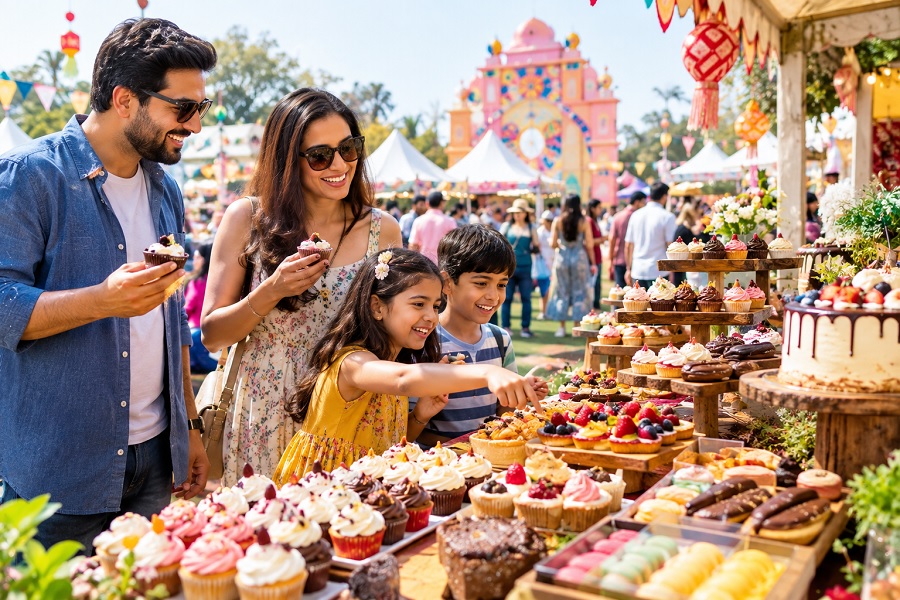
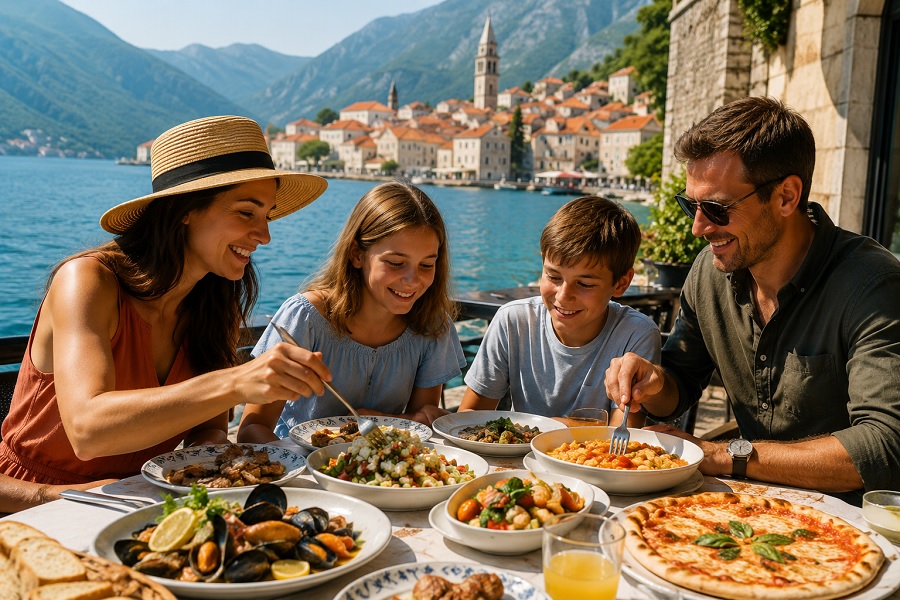
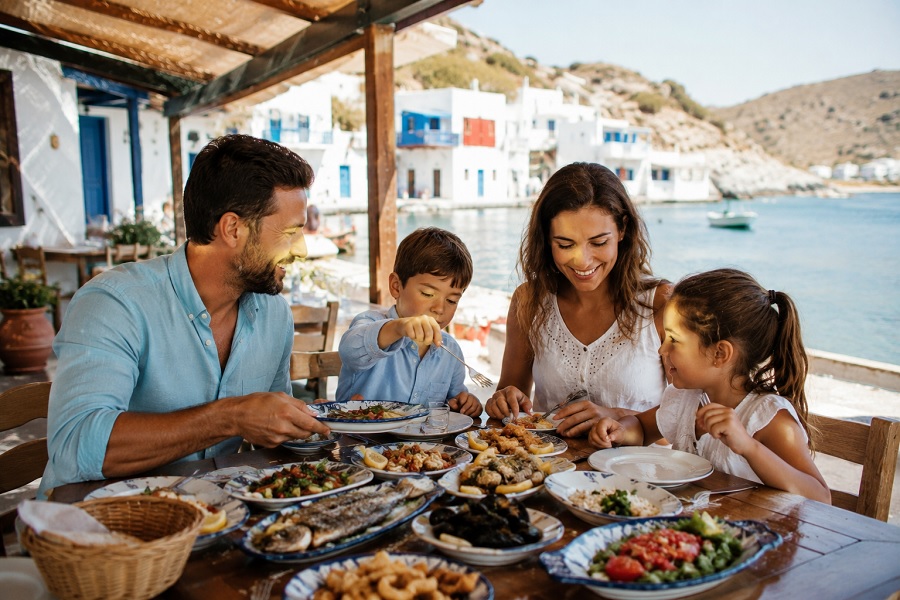
Food festivals can be enjoyable family travel experiences. Children can learn about ingredients, traditional cooking, agriculture, and regional culture in an interactive environment.
Parents can look for events that offer family-friendly activities, cooking demonstrations, cultural performances, and safe food options.
Culinary Events for Couples
Couples can combine culinary experiences with sightseeing and leisure travel. Food walks, cooking workshops, local market visits, and special dining experiences can become part of a romantic getaway.
A culinary event can also provide an opportunity for couples to discover a destination through its local flavors.
Food Tourism for Solo Travelers
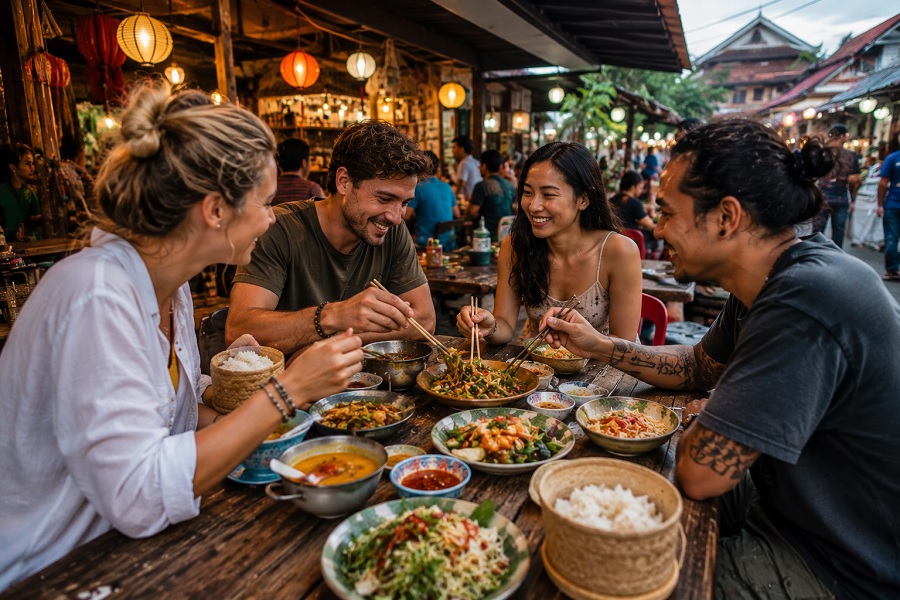
Solo travelers can use food festivals to experience local culture and meet other travelers and food enthusiasts.
Food walks, cooking classes, market tours, and community dining experiences can make it easier for solo visitors to explore local cuisine in a structured setting.
Sustainable Food Tourism
Sustainability is increasingly relevant to food tourism. Travelers can support local producers by choosing locally sourced food experiences and purchasing products directly from small businesses and artisans.
Visitors can also reduce waste by carrying reusable bottles and bags, avoiding unnecessary disposable items, and following waste-management guidelines at events.
Supporting Local Communities
Food festivals can create opportunities for local chefs, farmers, home cooks, artisans, small food businesses, and producers to reach visitors.
When tourism spending reaches local businesses, culinary events can contribute to destination economies and encourage continued interest in regional food traditions.
Tips for Planning a Food Festival Trip in 2026
Before traveling to a food festival, visitors should check:
Official event dates
Venue and location
Entry requirements
Event timings
Food availability
Family-friendly facilities
Transportation options
Accommodation nearby
Local weather conditions
Any special booking requirements
Event information can change, so checking official sources close to the travel date is recommended.
Food Safety Tips for Travelers
Travelers should pay attention to food hygiene, particularly at outdoor festivals and street-food events.
Choose food that is properly cooked and served hot where appropriate. Keep hydrated, wash hands before eating, and be cautious with unfamiliar ingredients if you have known food allergies or dietary restrictions.
How Food Festivals Can Shape Travel Trends
Culinary events can influence where people choose to travel and what activities they include in their itineraries. A destination known for a particular cuisine or food festival can attract visitors interested in authentic local experiences.
The growing connection between food, culture, sustainability, and travel is also encouraging destinations to develop culinary experiences beyond traditional sightseeing.
The Future of Culinary Tourism in India
Culinary tourism is likely to remain an important part of India's tourism sector. Food festivals, heritage food walks, farm experiences, cooking classes, local markets, and regional food events can give travelers more ways to connect with destinations.
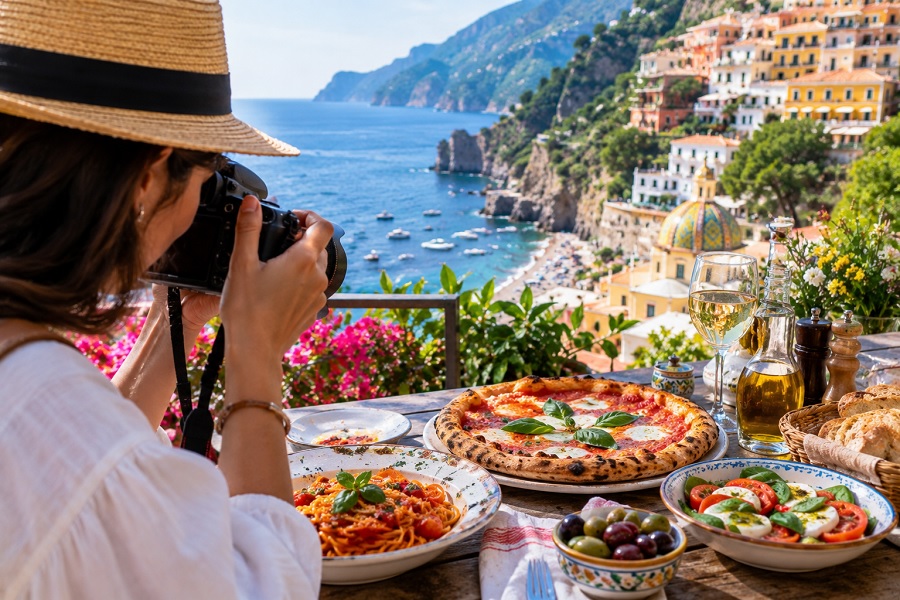
Digital discovery, social media, food photography, and online travel planning are also making it easier for travelers to discover culinary experiences before visiting a destination.
Conclusion
Food festivals and culinary events in 2026 offer travelers an opportunity to explore India through its diverse flavors, traditions, ingredients, and communities. From street food and regional cuisine to farm-to-table experiences and traditional cooking workshops, culinary tourism can turn food into an important part of the travel experience.
Whether traveling alone, as a couple, or with family, visitors can plan culinary trips around local events while supporting regional food producers and experiencing the cultural heritage behind India's cuisine.