Authentic Food Experiences: A Traveler’s Journey Through Local Cuisine and Culture
Authentic Dining Experiences for Travelers: Discovering Destinations Through Local Food
Introduction
Food is one of the most powerful ways for travelers to understand a destination. While famous attractions and landmarks introduce visitors to a place's history, authentic dining experiences reveal its everyday culture, traditions, ingredients, and way of life.
Authentic Dining Experiences for Travelers focus on enjoying food in settings and traditions that have genuine connections to the local community. These experiences can include family-run restaurants, traditional food markets, village kitchens, street-food stalls, regional cooking classes, farm-to-table meals, and heritage dining venues.
As travelers increasingly seek meaningful and memorable journeys, local dining has become an important part of cultural and culinary tourism.
What Are Authentic Dining Experiences?
Authentic dining experiences involve more than simply eating traditional food. They allow travelers to understand the story behind a dish, interact with local people, discover regional ingredients, and experience traditional cooking methods.
Examples include:
Eating at a family-owned local restaurant
Visiting a traditional food market
Joining a local cooking class
Enjoying a village meal
Dining at a farm
Exploring regional street food
Learning traditional recipes
Sharing meals with local communities
Visiting food-producing regions
Experiencing heritage cuisine
The exact meaning of "authentic" varies by destination and traveler, so responsible tourism should prioritize genuine community connections rather than staged experiences.
Why Authentic Dining Is Becoming Popular
Travelers increasingly want experiences that feel personal and connected to the destination. Food provides an accessible way to participate in local culture.
Instead of visiting a destination only as a spectator, travelers can become involved by learning how food is prepared, meeting producers, understanding local traditions, and discovering ingredients unique to the region.
Social media has also increased interest in distinctive dining experiences, while culinary tourism has encouraged travelers to plan trips around local dishes, markets, restaurants, and food festivals.
Local Restaurants and Family-Run Eateries
Small, locally owned restaurants can provide travelers with an opportunity to discover regional flavors and traditional recipes.
Family-run eateries may use recipes passed from one generation to another. Their menus can reflect local ingredients and everyday eating habits.
Travelers can review these restaurants based on:
Food quality
Authenticity of recipes
Freshness of ingredients
Local specialties
Hospitality
Atmosphere
Portion sizes
Price
Cultural value
Traditional Food Markets
Food markets are excellent places to experience the everyday culinary culture of a destination.
Travelers can discover fresh produce, spices, grains, seafood, sweets, snacks, beverages, and regional specialties while observing how local communities purchase and prepare food.
Market tours can become particularly valuable when accompanied by local guides who explain ingredients, traditions, and cooking practices.
Street Food Experiences
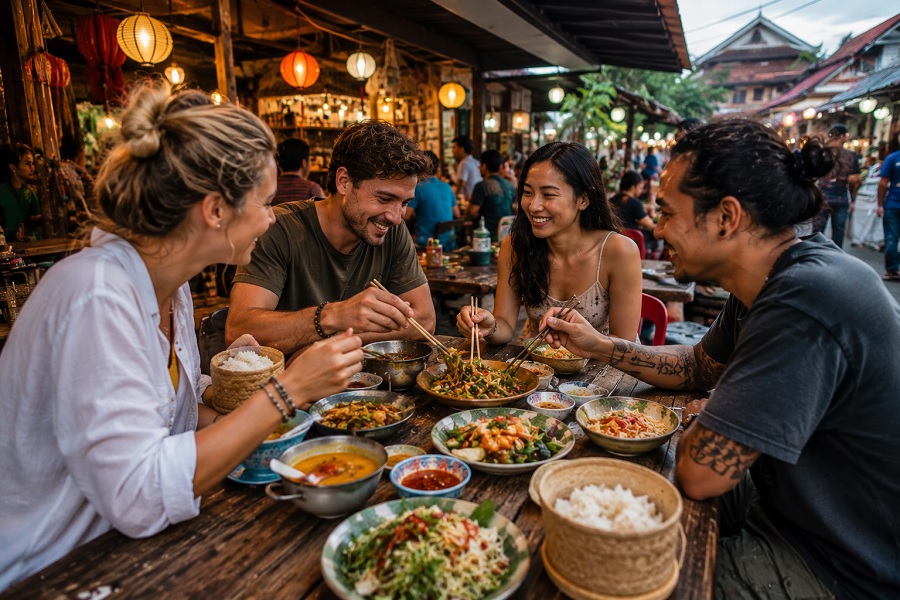
Street food offers another way to experience local cuisine.
From Indian chaats and dosas to Southeast Asian noodles and Middle Eastern grilled specialties, street food reflects local tastes and traditions.
Travelers should select vendors carefully, paying attention to cleanliness, food turnover, cooking temperatures, and safe drinking water.
Farm-to-Table Dining
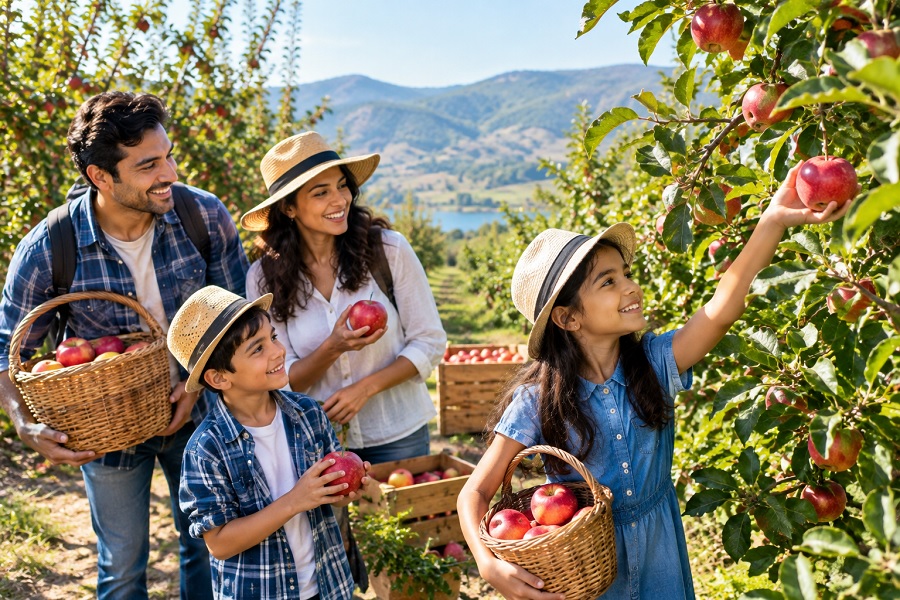
Farm-to-table experiences connect travelers with the origins of their food.
Guests may visit farms, harvest seasonal ingredients, and enjoy meals prepared using locally produced food. These experiences can support farmers and strengthen the relationship between tourism and local agriculture.
They are particularly attractive for travelers interested in sustainability and rural tourism.
Cooking Classes for Travelers
Cooking classes can transform dining from a passive experience into an interactive cultural activity.
Travelers may learn to prepare traditional dishes, understand local spices, visit markets for ingredients, and discover the cultural history behind recipes.
Popular activities include:
Traditional bread making
Spice blending
Regional curry preparation
Pasta making
Dessert preparation
Pickle making
Traditional beverage preparation
Indigenous cooking techniques
Village and Community Dining
Community-based dining experiences can introduce visitors to rural lifestyles and local food traditions.
A village meal may include home-cooked dishes prepared with locally available ingredients. Travelers can learn about farming, food preservation, seasonal cooking, and family traditions.
When properly managed, community tourism can provide additional income to local residents while giving travelers meaningful cultural experiences.
Heritage Cuisine Experiences
Many destinations have food traditions that are closely connected to their history.
Heritage cuisine experiences can explore recipes associated with royal kitchens, religious traditions, indigenous communities, historic trade routes, or regional festivals.
For example, travelers in India can explore the culinary traditions of Rajasthan, Gujarat, Kerala, Maharashtra, Punjab, Bengal, Goa, and many other regions.
Authentic Dining and Cultural Learning
Food can serve as a form of cultural education.
A single traditional dish may reveal information about geography, agriculture, migration, religion, trade, climate, and family traditions.
Travelers can deepen their experience by asking local hosts about:
The origin of a dish
Traditional ingredients
Cooking methods
Festival connections
Family recipes
Regional variations
Historical influences
Sustainable Authentic Dining
Authentic dining can support sustainable tourism when local food systems are respected.
Travelers can contribute by choosing locally owned businesses, eating seasonal foods, reducing food waste, carrying reusable items where appropriate, and respecting local customs.
Restaurants and tourism operators can strengthen sustainability by sourcing ingredients locally, reducing unnecessary packaging, minimizing waste, and supporting regional producers.
Vegetarian and Plant-Based Experiences
Vegetarian and plant-based travelers can discover distinctive local food traditions in many destinations.
Traditional cuisines often contain naturally plant-based dishes based on vegetables, grains, legumes, fruits, herbs, and spices.
Hotels, restaurants, and tour operators can improve these experiences by clearly identifying ingredients and offering meaningful regional vegetarian and vegan choices.
Food Festivals and Cultural Events
Food festivals allow travelers to experience local cuisine alongside music, dance, crafts, and cultural performances.
These events can showcase seasonal ingredients, traditional recipes, regional specialties, and community celebrations.
Food festival tourism can therefore combine culinary discovery with broader cultural immersion.
Technology and Authentic Dining
Technology is changing how travelers discover local food.
Travelers now use digital maps, restaurant platforms, travel applications, social media, and online reviews to discover lesser-known dining venues.
However, travelers should balance online recommendations with local knowledge. Small businesses may have limited online visibility despite offering excellent food and genuine cultural experiences.
Tips for Travelers
Travelers looking for authentic dining experiences can follow these tips:
Research regional specialties before traveling.
Ask locals for restaurant recommendations.
Explore traditional markets.
Try seasonal dishes.
Choose locally owned restaurants where possible.
Join cooking or food-walking tours.
Respect local dining customs.
Check food hygiene carefully.
Avoid wasting food.
Learn a few local food-related words.
Ask about ingredients if you have dietary restrictions.
Support small producers and community businesses.
Benefits for Local Communities
Authentic dining tourism can generate economic opportunities for restaurants, farmers, food producers, guides, artisans, and local households.
It can also encourage the preservation of traditional recipes and culinary knowledge.
When tourism revenue remains within the community, food tourism can become an important component of inclusive local development.
Challenges
Authentic dining tourism also faces challenges.
Overtourism can put pressure on popular food destinations, while excessive commercialization may change traditional recipes or transform community experiences into staged attractions.
Food safety, cultural appropriation, rising prices, environmental impacts, and unequal distribution of tourism revenue are other concerns.
Responsible operators should work with local communities and ensure that tourism respects cultural traditions.
Future of Authentic Dining Tourism
The future of authentic dining tourism is likely to focus on deeper cultural connections, local sourcing, sustainability, personalized culinary experiences, and community participation.
Travelers may increasingly seek small-group food tours, chef-led experiences, farm visits, heritage cooking classes, indigenous food experiences, and locally hosted meals.
The growth of digital travel platforms will make it easier to discover unique culinary experiences, while responsible tourism practices can help protect local food cultures.
Conclusion
Authentic Dining Experiences for Travelers provide an opportunity to explore destinations through their food, people, traditions, and local ingredients. From family-run restaurants and street-food markets to farm-to-table meals and traditional cooking classes, culinary experiences can make travel more meaningful and memorable.
The best authentic dining experiences are not simply about tasting unusual dishes. They are about understanding where food comes from, meeting the people who prepare it, respecting local traditions, and supporting the communities that keep culinary heritage alive.