Sweet Journeys: Exploring Dessert Festivals and Culinary Traditions
Dessert Festivals and Sweet Tourism Experiences
Introduction
Dessert festivals and sweet tourism are becoming exciting parts of modern food travel. Instead of simply visiting a destination for sightseeing, travelers can explore its culinary identity through traditional sweets, local desserts, baking traditions, food fairs, and seasonal celebrations. Dessert-focused tourism gives visitors an opportunity to discover the stories, ingredients, techniques, and cultural traditions behind famous sweet dishes.
From traditional Indian mithai and regional festive desserts to international chocolate, pastry, and gelato festivals, these experiences can make a holiday memorable for food lovers, families, couples, and travelers interested in local culture.
What Is Sweet Tourism?
Sweet tourism is a form of culinary tourism that focuses on desserts, confectionery, traditional sweets, bakeries, pastries, chocolates, ice creams, and other sweet specialties. Travelers may visit dessert festivals, local sweet shops, traditional kitchens, food markets, bakeries, farms, and culinary workshops.
The experience is not limited to tasting food. Visitors can also learn how desserts are prepared, understand the history of regional recipes, meet local artisans, and participate in demonstrations or cooking activities.
Why Dessert Festivals Are Becoming Popular
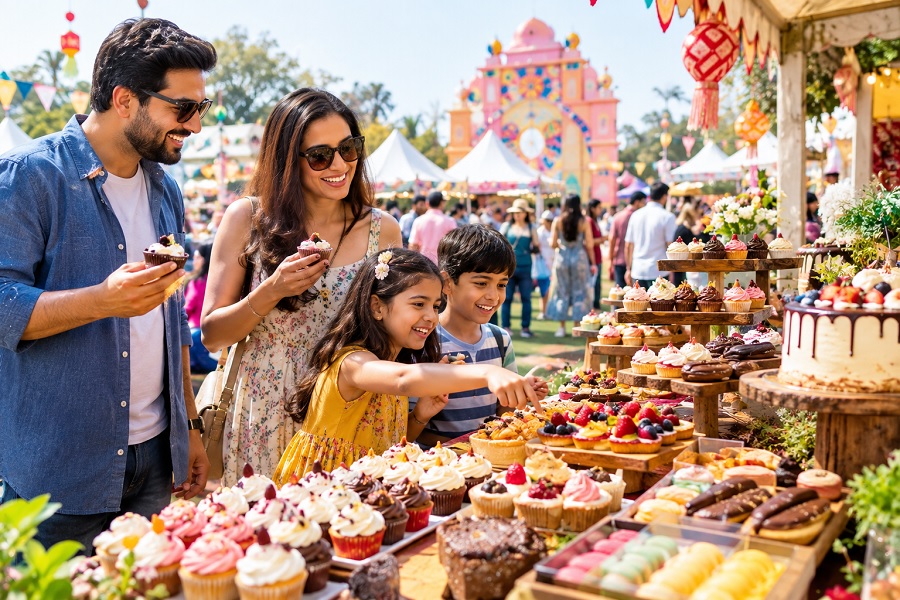
Dessert festivals combine food, entertainment, culture, and travel in one experience. They often feature multiple vendors, traditional recipes, contemporary desserts, live demonstrations, competitions, workshops, and opportunities to discover regional specialties.
For travelers, such events can provide a convenient way to sample several desserts in one location. They can also introduce visitors to lesser-known local sweets that may not be widely available outside the region.
Exploring Traditional Indian Sweets
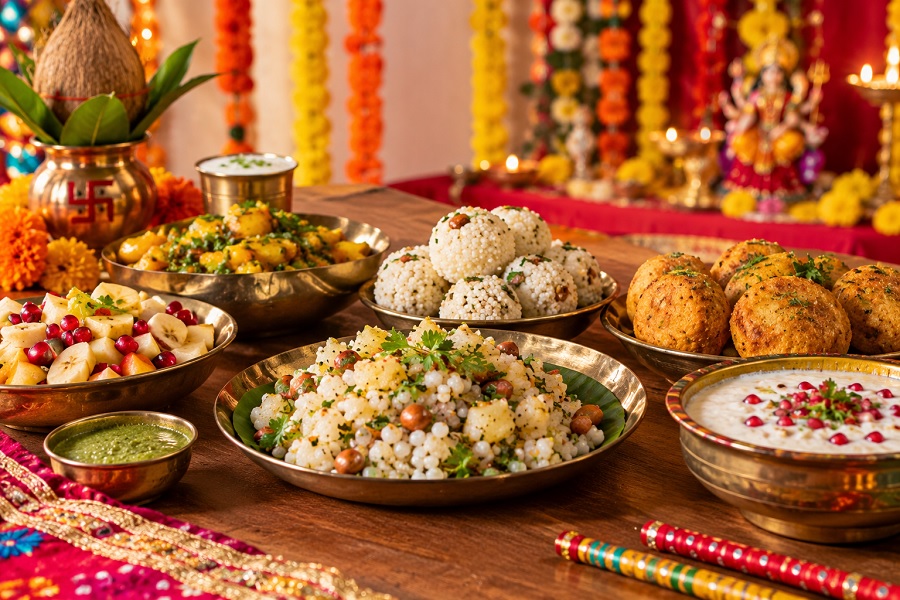
India offers a diverse range of traditional sweets, with recipes varying from one region to another. Travelers can explore sweets such as modak, peda, jalebi, gulab jamun, rasgulla, sandesh, Mysore pak, kaju katli, ghevar, malpua, shrikhand, basundi, and various regional halwas.
Festivals such as Ganesh Chaturthi, Diwali, Holi, Eid, Pongal, Onam, and regional celebrations often provide opportunities to experience traditional desserts connected with local customs.
Dessert Experiences for Travelers
A sweet tourism itinerary can include much more than visiting a dessert festival. Travelers can explore:
Traditional sweet shops
Local bakeries and pastry shops
Chocolate-making workshops
Dessert-tasting tours
Culinary demonstrations
Traditional cooking classes
Food markets
Farm-to-dessert experiences
Regional food festivals
Ice cream and gelato experiences
Tea and dessert pairings
Seasonal sweet-making activities
These experiences allow travelers to connect food with the destination's culture and everyday life.
Dessert Tourism for Families
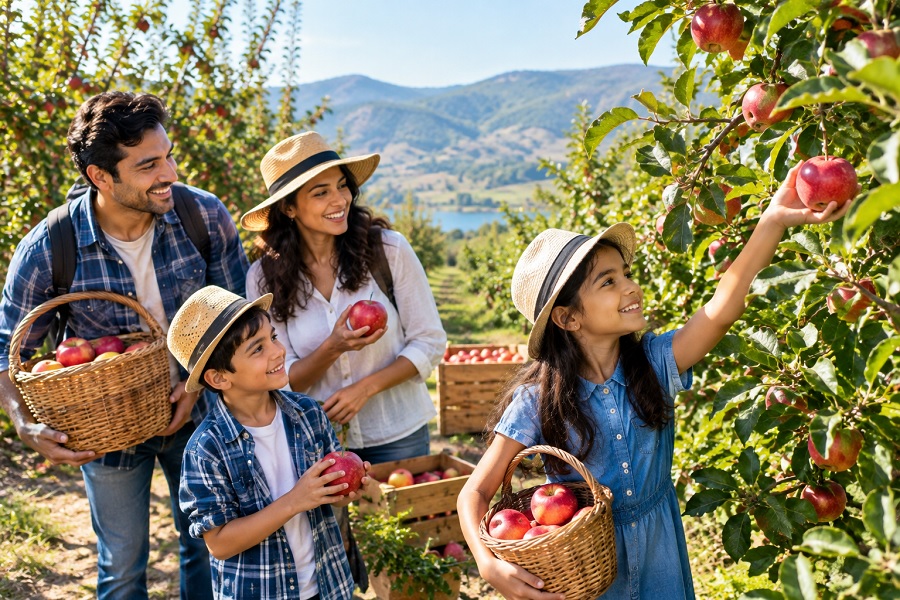
Dessert-focused travel can be particularly enjoyable for families. Children can participate in simple baking or chocolate-making workshops, while parents can explore regional culinary traditions.
Family-friendly dessert festivals may also include interactive activities, demonstrations, games, and tasting sessions. Parents should check ingredients and allergen information before allowing children to sample unfamiliar desserts.
Romantic Dessert Experiences for Couples
Couples can incorporate sweet experiences into their holidays through dessert cafés, chocolate workshops, traditional sweet tastings, bakery visits, and scenic dessert experiences.
A dessert trail can also become a relaxed way to explore a destination while discovering its local culinary culture.
Supporting Local Food Artisans
Dessert tourism can contribute to local businesses by creating demand for traditional products and handmade specialties. Small sweet shops, family-run bakeries, confectioners, farmers, and culinary artisans can benefit when visitors purchase local products and participate in authentic food experiences.
Travelers can support responsible tourism by choosing locally operated businesses and respecting traditional preparation methods and cultural practices.
Seasonal Dessert Tourism
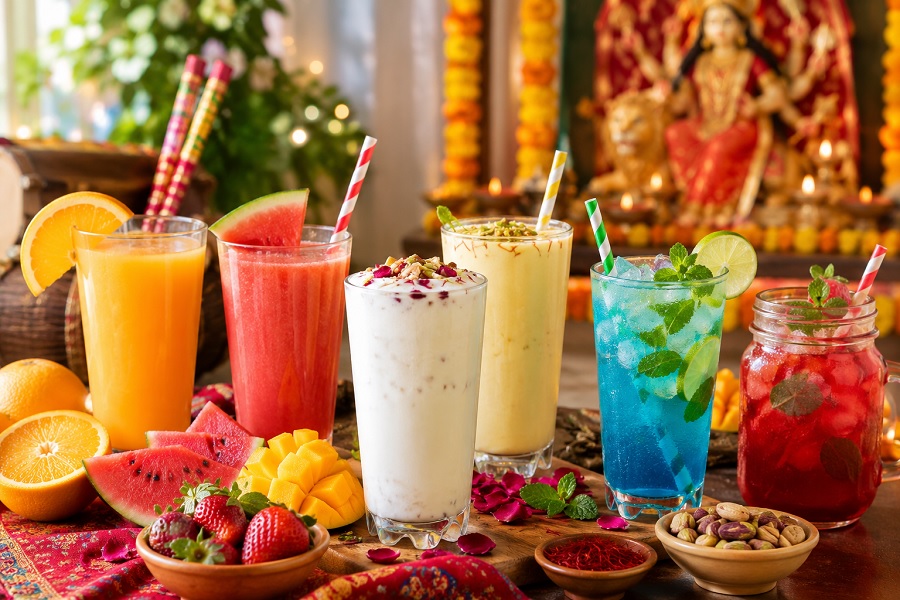
Many desserts are closely associated with particular seasons and celebrations. Winter may bring specialties made with nuts, sesame, jaggery, and warming spices, while summer destinations may offer mango desserts, kulfi, ice creams, and refreshing sweet dishes.
Traveling during a regional festival can provide visitors with the chance to experience desserts when they are traditionally prepared and enjoyed.
International Sweet Tourism
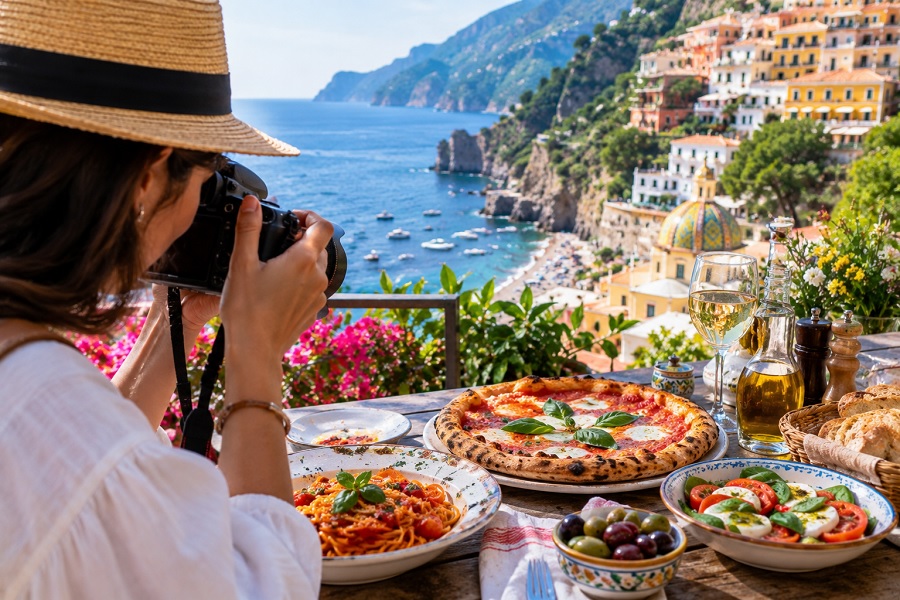
Sweet tourism is also popular internationally. Travelers can explore French pastries, Belgian chocolate, Italian gelato, Turkish desserts, Japanese wagashi, Middle Eastern pastries, Austrian cakes, and many other regional specialties.
Each destination offers a different combination of ingredients, preparation techniques, presentation styles, and cultural traditions.
Sustainable Dessert Tourism
Travelers interested in sustainable food tourism can look for experiences that use locally sourced ingredients, minimize food waste, support small producers, and encourage traditional culinary practices.
Choosing seasonal desserts and locally produced ingredients can also help visitors understand the agricultural and cultural connections behind regional food.
Tips for Planning a Dessert Festival Trip
Before visiting a dessert festival or planning a sweet tourism experience, travelers should:
Check the festival dates and opening hours.
Research the desserts and local specialties available.
Look for workshops or cooking demonstrations.
Check ingredient and allergen information.
Carry reusable food containers where permitted.
Try smaller portions to experience more varieties.
Visit local sweet shops beyond the main festival.
Respect local food customs and traditions.
Support small and local food businesses.
Check local transportation and accommodation options in advance.
The Future of Dessert Tourism
Dessert tourism is likely to remain an important part of experiential travel as visitors increasingly look for activities that connect food, culture, and local communities. Social media has also increased interest in visually appealing desserts, traditional recipes, specialty bakeries, and food festivals.
At the same time, travelers are showing interest in authentic experiences rather than simply photographing food. Workshops, behind-the-scenes visits, traditional cooking demonstrations, and interactions with local artisans can add greater cultural value to a dessert-focused journey.
Conclusion
Dessert festivals and sweet tourism experiences offer travelers a delicious way to explore destinations. They combine local cuisine, traditions, craftsmanship, celebrations, and cultural storytelling in an accessible travel experience.
Whether exploring Indian mithai, attending a seasonal dessert festival, learning traditional sweet-making techniques, or discovering an international chocolate and pastry destination, sweet tourism can add a memorable culinary dimension to any holiday.