Family Food Tourism: Discover Authentic Local Cuisine and Memorable Culinary Adventures
Family Food Tourism: The Complete Guide to Exploring Destinations Through Local Cuisine
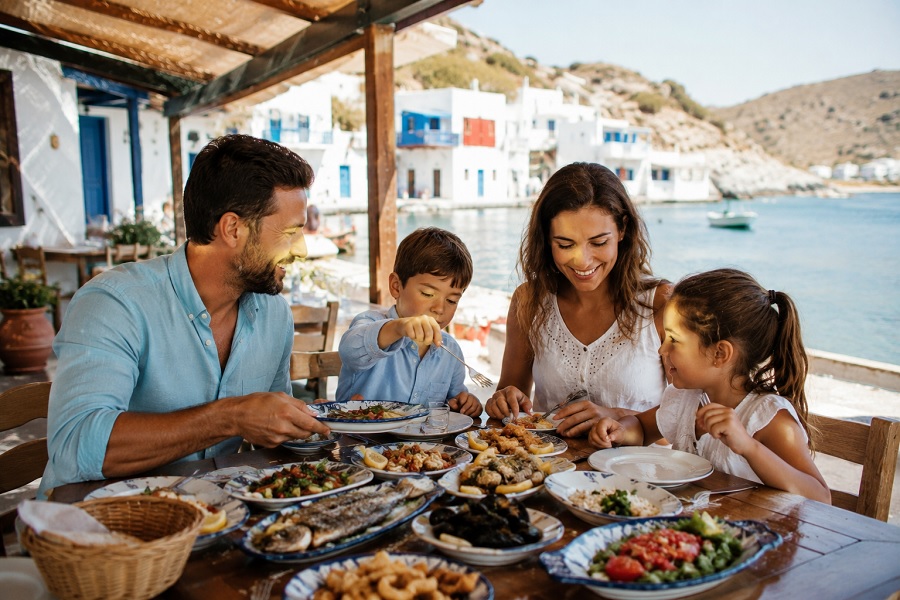
Family food tourism is one of the fastest-growing travel trends because it combines sightseeing with memorable culinary experiences. Instead of simply visiting famous landmarks, families explore a destination through its traditional dishes, regional ingredients, local markets, and centuries-old cooking traditions. Every meal becomes an opportunity to learn about culture, history, and community while creating lasting memories together.
What Is Family Food Tourism?
Family food tourism is travel focused on discovering the local food culture of a destination. It includes tasting authentic regional dishes, visiting traditional restaurants, exploring street food markets, participating in cooking classes, touring farms, and meeting local food producers. These experiences allow every family member, from children to grandparents, to enjoy meaningful activities while learning about the destination's heritage.
Why Family Food Tourism Is Growing
Modern travelers want authentic experiences instead of ordinary vacations. Families now prefer interactive activities where everyone can participate. Food naturally brings people together, making culinary travel suitable for all age groups.
Several factors are driving its popularity:
Greater interest in authentic local experiences.
Growth of farm-to-table dining.
Family-friendly cooking workshops.
Increased focus on healthy and organic foods.
Social media inspiration for unique culinary destinations.
Sustainable tourism that supports local communities.
Popular Family Food Tourism Experiences
Traditional Food Markets
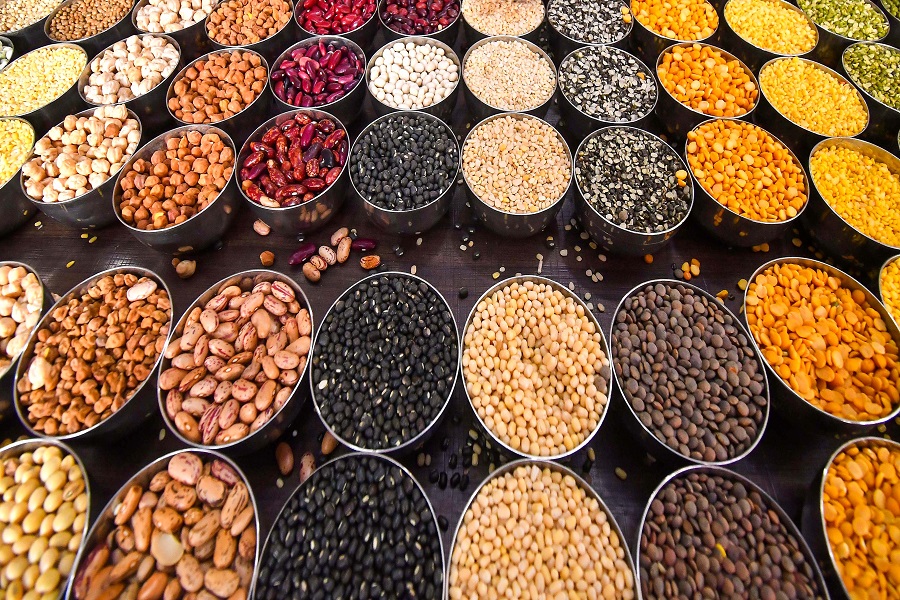
Local markets provide an excellent opportunity to discover fresh fruits, vegetables, spices, seafood, bakery products, sweets, and handmade snacks. Families can interact with local vendors and learn about regional ingredients.
Street Food Adventures
Many cities are famous for safe and delicious street food. Guided food walks help visitors enjoy authentic flavors while learning about local culinary traditions.
Cooking Classes
Family cooking workshops teach visitors how to prepare traditional recipes using local ingredients. These classes often include visits to markets before cooking begins.
Farm Visits
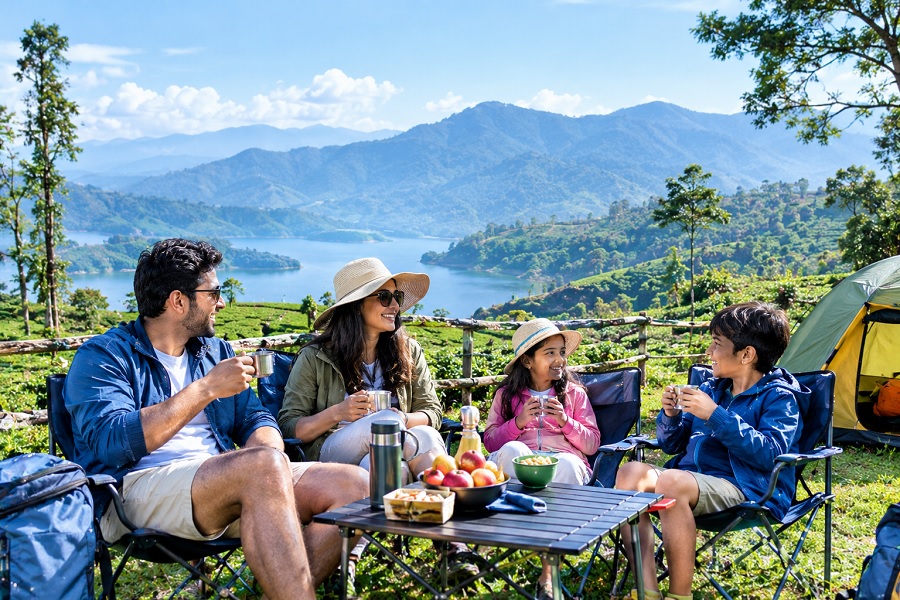
Families can visit fruit orchards, dairy farms, tea estates, coffee plantations, spice gardens, and organic farms to understand where food comes from. Children especially enjoy harvesting fruits, feeding animals, and learning about sustainable agriculture.
Food Festivals
Seasonal food festivals feature regional specialties, live cooking demonstrations, cultural performances, local music, artisan products, and children's activities. These events celebrate local traditions while supporting small businesses.
Bakery and Dessert Tours
Many destinations offer bakery trails featuring fresh bread, pastries, chocolates, ice cream, traditional sweets, and handmade desserts that appeal to travelers of all ages.
Benefits of Family Food Tourism
Food tourism offers far more than enjoyable meals.
Encourages families to spend quality time together.
Introduces children to new cultures and traditions.
Supports local farmers and small businesses.
Preserves traditional recipes and culinary heritage.
Promotes sustainable and responsible tourism.
Creates educational experiences outside the classroom.
Inspires healthier eating by introducing fresh local ingredients.
Builds appreciation for cultural diversity through food.
Best Destinations for Family Food Tourism
Outstanding culinary destinations include:
Italy for pasta, pizza, cheese, and gelato.
Japan for sushi, ramen, and traditional food markets.
Thailand for vibrant street food and tropical fruits.
Mexico for tacos, local markets, and colorful food festivals.
India for regional cuisines, spice markets, and traditional sweets.
France for bakeries, cheese, pastries, and gourmet experiences.
Spain for tapas, seafood, and local food festivals.
Vietnam for fresh herbs, noodle dishes, and floating markets.
Sustainable Family Food Tourism
Responsible food tourism benefits both travelers and local communities. Families can travel more sustainably by:
Choosing locally owned restaurants.
Buying fresh products from farmers.
Reducing food waste.
Carrying reusable bottles and shopping bags.
Avoiding single-use plastics.
Respecting local dining customs.
Supporting certified organic producers whenever possible.
Food Safety Tips for Families
To enjoy a safe culinary journey:
Eat at clean and reputable restaurants.
Drink purified or bottled water where necessary.
Wash fruits before eating.
Inform restaurants about food allergies.
Carry basic medicines for digestive issues.
Encourage children to try new foods gradually.
Keep snacks and water available during long excursions.
Planning the Perfect Family Food Trip
Before traveling:
Research famous local dishes.
Book food tours and cooking classes in advance.
Check festival calendars.
Reserve family-friendly accommodations near dining areas.
Set a daily food budget.
Include both fine dining and local market experiences.
Balance food activities with sightseeing and outdoor adventures.
Future Trends in Family Food Tourism
The future of culinary travel is becoming increasingly interactive and sustainable. Travelers can expect:
Farm-to-table vacation packages.
Smart culinary tours using mobile apps.
Eco-friendly food festivals.
Organic farm experiences.
AI-assisted restaurant recommendations.
Zero-waste dining experiences.
Cultural cooking retreats.
Educational food tourism for children.
Wellness-focused culinary vacations.
Community-based food experiences.
Conclusion
Family food tourism transforms every journey into an opportunity for discovery. Whether exploring bustling food markets, learning traditional recipes, enjoying local festivals, or visiting organic farms, families experience the culture of a destination through its cuisine. These shared culinary adventures strengthen family bonds, support local communities, preserve traditional food heritage, and create unforgettable memories that last long after the vacation ends.