Exploring Tropical Rainforests Responsibly
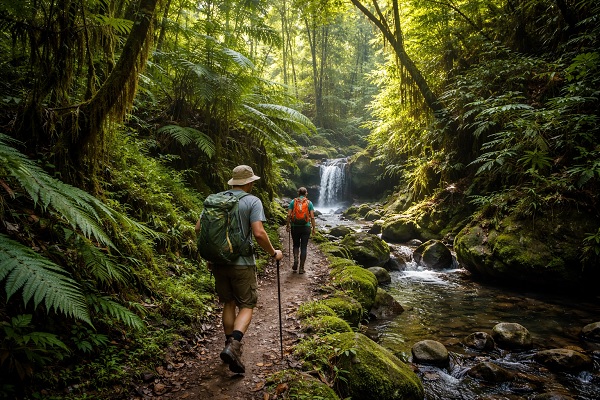
Tropical rainforests are among the most beautiful and biologically diverse ecosystems on Earth. These lush green landscapes are home to thousands of plant species, exotic wildlife, and indigenous communities that have lived in harmony with nature for centuries. From the towering trees of the Amazon Rainforest to the rich biodiversity of Borneo Rainforest, tropical rainforests attract travelers who seek adventure, nature, and unique cultural experiences.
However, while visiting these natural wonders can be unforgettable, it is essential to explore them responsibly. Sustainable and eco-friendly travel practices help protect fragile ecosystems and ensure that rainforests remain healthy for future generations.
Understanding the Importance of Rainforests
Rainforests play a vital role in maintaining the Earth’s climate and biodiversity. They absorb carbon dioxide, regulate global temperatures, and produce oxygen. These forests also provide habitat for countless species such as monkeys, birds, insects, reptiles, and rare plants.
Destinations like the Congo Rainforest and the Daintree Rainforest are known for their extraordinary biodiversity. Unfortunately, these ecosystems face threats from deforestation, illegal wildlife trade, and unsustainable tourism practices. Responsible tourism can play a major role in supporting conservation efforts.
Choose Eco-Friendly Tours
One of the best ways to explore tropical rainforests responsibly is by selecting eco-certified tour operators. These companies follow sustainable practices such as limiting group sizes, protecting wildlife habitats, and supporting local conservation projects.
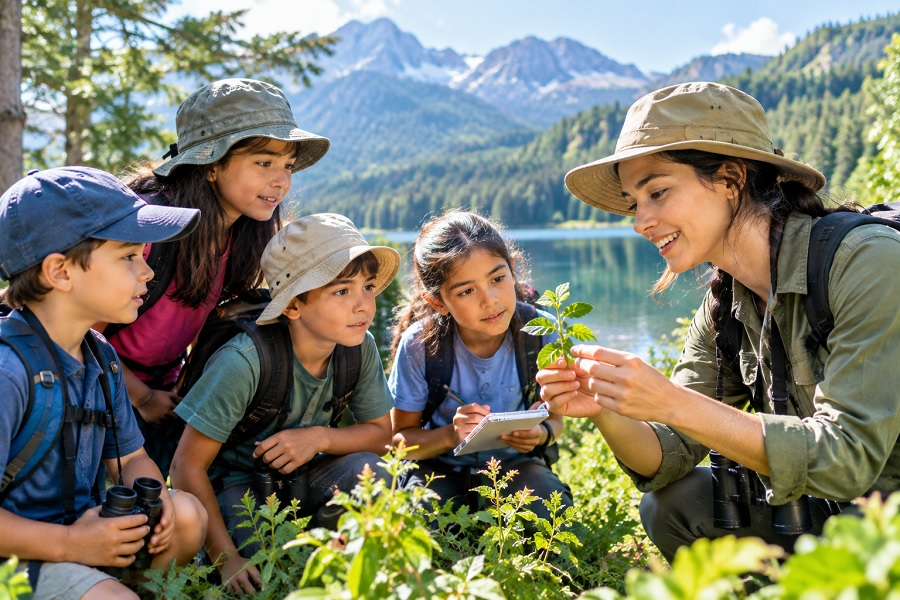
Eco-guides also educate travelers about the rainforest environment, helping visitors understand the importance of protecting natural resources while enjoying their adventure.
Respect Wildlife and Nature
Rainforests are delicate ecosystems, and even small disturbances can affect wildlife. Responsible travelers should avoid feeding animals, making loud noises, or leaving designated trails. Observing animals from a safe distance allows them to behave naturally without stress.
Photography is a wonderful way to capture rainforest beauty, but flash photography and close interactions with animals should be avoided to protect their well-being.
Support Local Communities
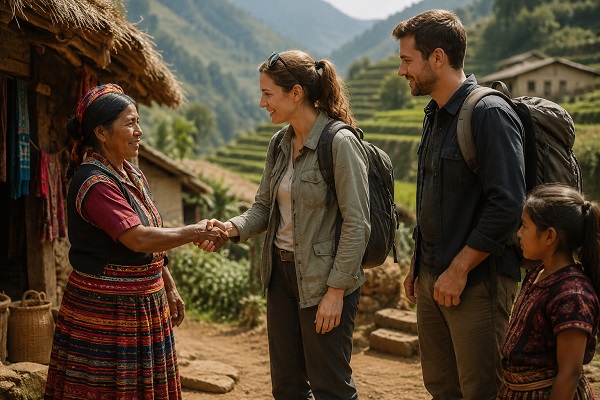
Many rainforest regions are home to indigenous communities who depend on forests for their livelihoods. Responsible tourism supports these communities by encouraging travelers to purchase local crafts, stay in community-run eco-lodges, and participate in cultural tours.
By doing so, tourists help create sustainable economic opportunities while respecting traditional knowledge and cultures.
Minimize Environmental Impact
Travelers can reduce their impact on rainforests by adopting simple eco-friendly habits. Carry reusable water bottles, avoid single-use plastics, and properly dispose of waste. Staying on marked trails helps prevent soil erosion and protects plant life.
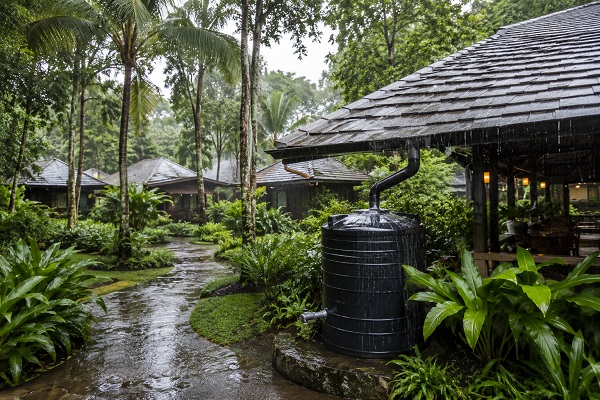
Choosing eco-lodges that use renewable energy, rainwater harvesting, and sustainable materials can also contribute to preserving rainforest ecosystems.
Educate and Inspire Others
Exploring tropical rainforests responsibly is not just about personal travel choices. Sharing experiences and spreading awareness about rainforest conservation can inspire others to travel sustainably. The more people understand the value of these ecosystems, the stronger the global movement for their protection becomes.
Conclusion
Tropical rainforests are priceless treasures of our planet, offering incredible natural beauty and biodiversity. Responsible exploration ensures that travelers can enjoy these ecosystems while helping protect them. By choosing eco-friendly tours, respecting wildlife, supporting local communities, and minimizing environmental impact, visitors can make a positive difference.
Sustainable travel allows us to appreciate the wonders of rainforests while preserving them for generations to come.