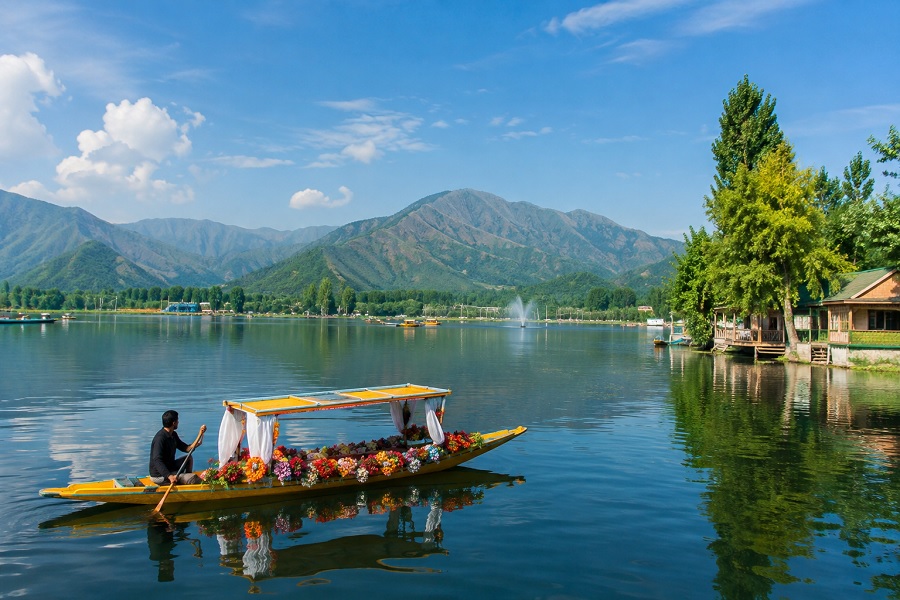
Ecotourism: Traveling Sustainably in 2025

What Makes Ecotourism Unique
Nature-Centered: Focuses on pristine landscapes, wildlife, and biodiversity.
Low Impact: Encourages eco-friendly practices like reducing waste and carbon footprints.
Community-Based: Supports local economies through homestays, eco-lodges, and cultural exchanges.
Educational: Raises awareness about environmental challenges and conservation efforts.
Benefits of Ecotourism
Environmental Protection: Tourism revenue helps fund conservation projects and protect endangered species.
Cultural Preservation: Travelers learn from indigenous traditions and lifestyles.
Economic Empowerment: Local communities benefit directly from eco-friendly tourism initiatives.
Personal Growth: Visitors gain a deeper appreciation for sustainability and mindful living.
Popular Ecotourism Destinations
Costa Rica – Rainforests, volcanoes, and wildlife sanctuaries.
Kerala, India – Backwaters, spice plantations, and eco-villages.
Kenya – Safaris with conservation-focused lodges.
Norway – Fjords and sustainable Arctic expeditions.
Borneo – Orangutan rehabilitation centers and rainforest treks.
Trends in 2025
Rise of eco-lodges and green-certified hotels.
Growth in volunteer tourism (helping conservation projects).
Increased demand for carbon-neutral travel packages.
Integration of technology for tracking sustainability metrics.
Final Thought
Ecotourism is about traveling with purpose—protecting the planet while enjoying its beauty. It’s not just where you go, but how you go that defines the future of tourism.