Ecotourism: Traveling Responsibly While Protecting Nature

What Is Ecotourism?
Ecotourism is a form of tourism centered on natural areas such as forests, mountains, wildlife reserves, wetlands, beaches, and rural landscapes. Its core principles include environmental conservation, community participation, cultural respect, and education. The goal is to minimize negative impacts while supporting biodiversity and local livelihoods.
Why Ecotourism Is Important
Conventional tourism often leads to pollution, habitat destruction, and cultural erosion. Ecotourism, on the other hand, promotes balance between travel and nature. It encourages travelers to become responsible explorers who contribute positively to the destinations they visit.
Key reasons ecotourism matters:
Protects natural ecosystems and wildlife
Supports local and indigenous communities
Raises awareness about environmental conservation
Promotes sustainable and low-impact travel
Encourages ethical tourism practices
Popular Forms of Ecotourism
1. Wildlife and Nature Tourism
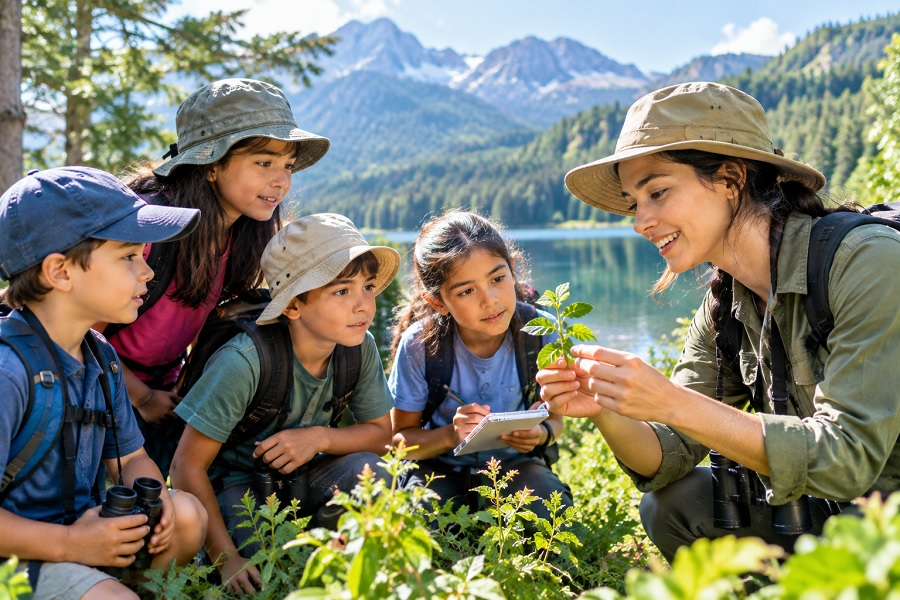
Safaris, bird watching, marine life exploration, and visits to national parks help travelers understand biodiversity while supporting conservation efforts.
2. Adventure and Nature-Based Travel
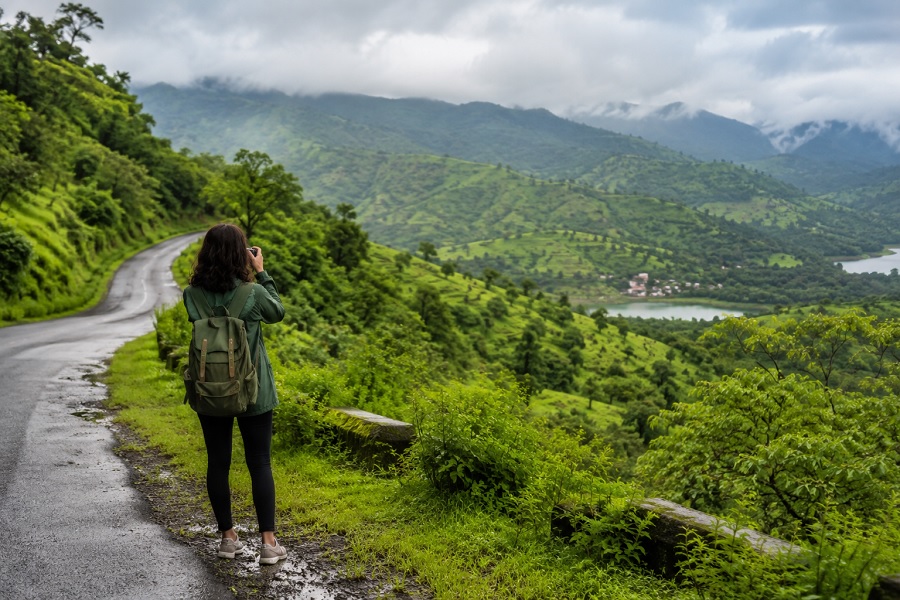
Activities like trekking, hiking, kayaking, cycling, and eco-camping offer close-to-nature experiences with minimal environmental impact.
3. Rural and Community-Based Tourism
Staying in eco-lodges or village homestays allows travelers to experience local lifestyles while directly benefiting the community.
4. Marine and Coastal Ecotourism
Mangrove walks, coral reef snorkeling, and beach clean-up tourism promote marine conservation and responsible coastal travel.
Benefits of Ecotourism
Conserves natural habitats and endangered species
Generates sustainable income for local communities
Encourages environmental education and awareness
Reduces carbon footprint through eco-friendly practices
Promotes long-term tourism sustainability
Tips for Responsible Ecotourism
Choose eco-certified accommodations and tour operators
Respect wildlife and maintain safe distances
Reduce plastic use and manage waste responsibly
Conserve water and energy during your stay
Support local businesses and artisans
The Future of Ecotourism
With travelers becoming more conscious of their environmental impact, ecotourism is expected to play a major role in the future of global travel. Innovations like green hotels, carbon-neutral travel, and regenerative tourism are shaping a more sustainable travel industry.
Conclusion
Ecotourism is not just about visiting natural destinations—it is about protecting them for future generations. By choosing ecotourism, travelers become partners in conservation, helping preserve nature’s beauty while enjoying authentic, enriching experiences. Responsible travel today ensures a healthier planet tomorrow.