Ecotourism: Traveling Responsibly in Nature
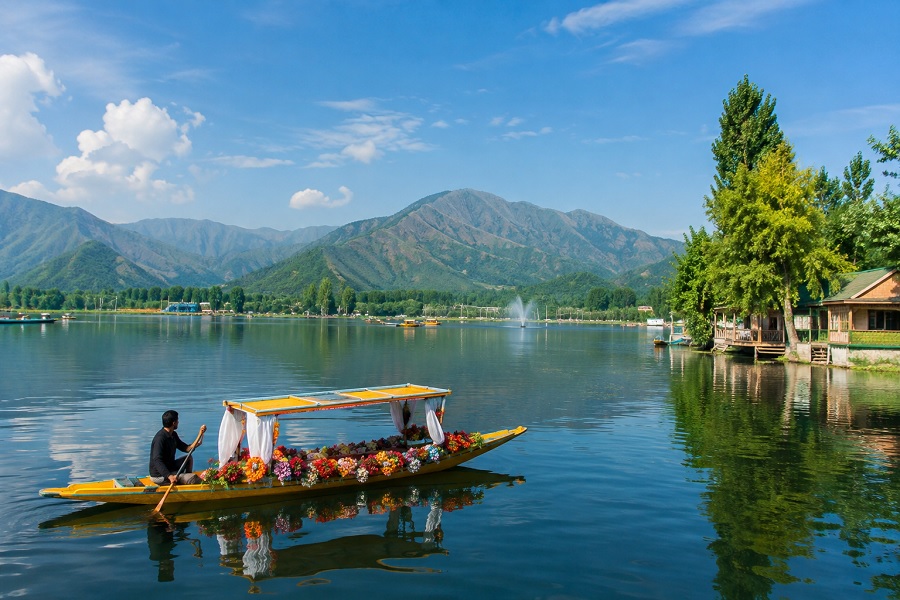
Ecotourism focuses on exploring natural environments while minimizing environmental impact and supporting conservation efforts. Unlike conventional tourism, it emphasizes sustainability, education, and respect for local cultures and wildlife.
Why Ecotourism Matters
With growing awareness of climate change and environmental degradation, travelers are seeking ways to enjoy nature responsibly. Ecotourism allows people to connect with ecosystems, learn about conservation, and contribute to the preservation of fragile habitats.
Key Elements of Ecotourism
Sustainable Practices: Eco-lodges, responsible tour operators, and low-impact activities help reduce environmental footprints.
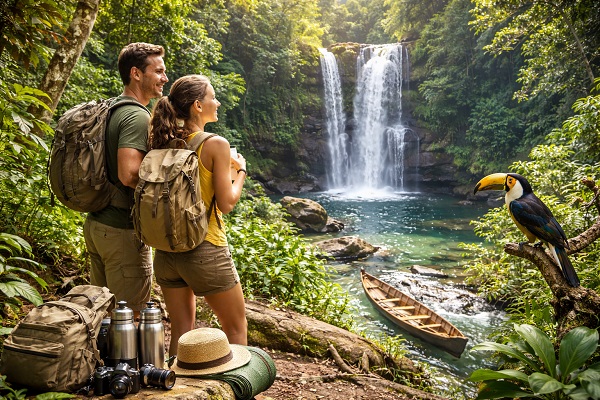
Wildlife and Nature Experiences: Guided treks, birdwatching, marine tours, and jungle safaris provide immersive learning opportunities.
Community Engagement: Supporting local communities through cultural exchanges, craft purchases, and eco-friendly services fosters socio-economic benefits.
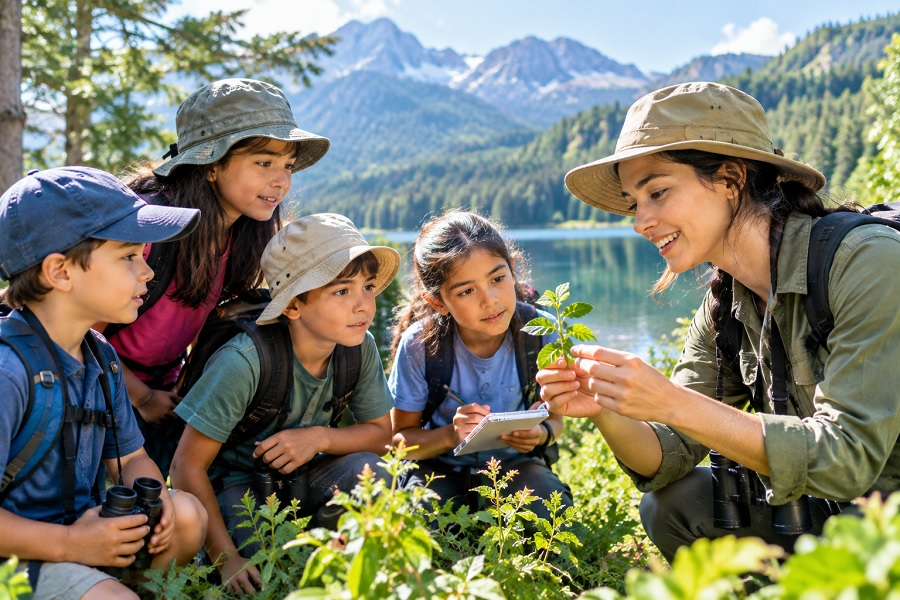
Education and Awareness: Ecotourism often includes environmental education, teaching travelers about biodiversity, conservation, and sustainable living.
Adventure and Recreation: Activities like hiking, kayaking, and snorkeling combine adventure with respect for nature.
Tips for Ecotourists
Choose eco-certified accommodations and tour operators.
Respect wildlife and natural habitats; avoid littering or disturbing animals.
Learn about local culture and support community-based tourism.
Minimize resource use by conserving water, energy, and reducing waste.
Travel in small groups to lessen impact on sensitive ecosystems.
Conclusion
Ecotourism allows travelers to experience the beauty of the natural world responsibly while contributing to conservation and local communities. By embracing sustainable practices, tourists can enjoy meaningful experiences that benefit both the environment and society.