Eco Tourism Workshops and Training: Building a Sustainable Travel Future
In recent years, ecotourism has evolved from a niche concept into a powerful global movement. As travelers become more environmentally conscious, the demand for eco tourism workshops and training programs has grown significantly. These initiatives play a vital role in educating individuals, communities, and tourism professionals about sustainable practices, conservation, and responsible travel.
What Are Eco Tourism Workshops and Training?
Eco tourism workshops and training programs are structured learning experiences designed to promote environmentally responsible tourism practices. They bring together travelers, guides, local communities, and industry stakeholders to gain practical knowledge about:
Biodiversity conservation
Sustainable resource management
Cultural preservation
Eco-friendly hospitality practices
Ethical wildlife interaction
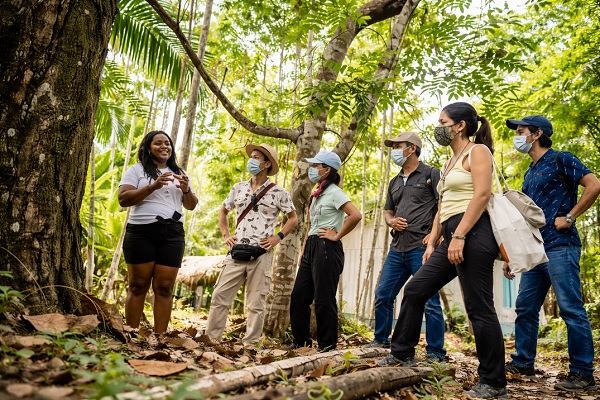
These sessions are often conducted in natural settings such as forests, wildlife reserves, coastal areas, and rural communities, providing hands-on learning experiences.
Why Are These Workshops Important?
The tourism industry can significantly impact the environment if not managed responsibly. Eco tourism training helps mitigate these effects by:
Raising awareness about environmental challenges
Empowering local communities with sustainable livelihood skills
Reducing carbon footprints through eco-friendly practices
Protecting wildlife and ecosystems
Promoting responsible traveler behavior
By educating participants, these programs ensure that tourism becomes a force for good rather than harm.
Key Components of Eco Tourism Training
Environmental Education
Participants learn about ecosystems, climate change, and conservation strategies.
Sustainable Practices
Training includes waste management, water conservation, and renewable energy use.
Community Engagement
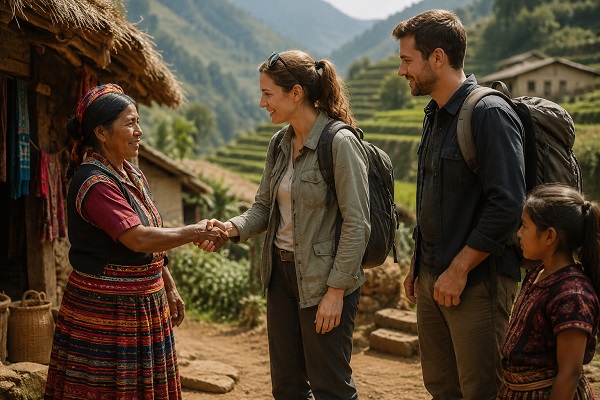
Workshops encourage collaboration with local communities, supporting their culture and economy.
Practical Field Activities
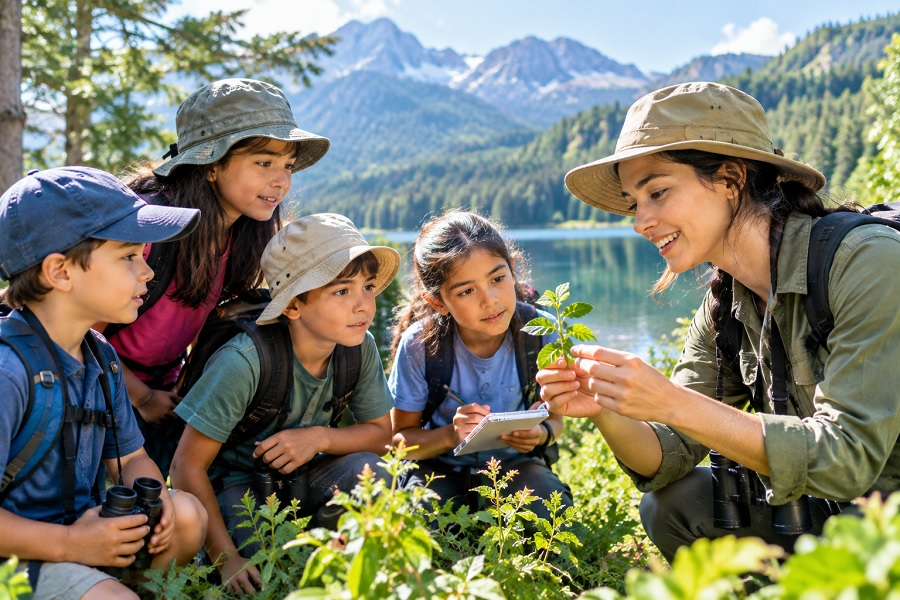
Activities like nature walks, tree planting, and wildlife monitoring enhance learning.
Skill Development
Programs often include training in eco-guiding, hospitality, and sustainable business practices.
Who Can Attend These Workshops?
Eco tourism workshops are open to a wide range of participants:
Travelers and nature enthusiasts
Tour guides and operators
Students and researchers
Hospitality professionals
Local community members
Environmental activists
Whether you are a beginner or an expert, these programs offer valuable insights and hands-on experience.
Benefits of Participating
Gain practical knowledge of sustainable tourism
Contribute to environmental conservation
Develop new career opportunities in eco tourism
Connect with like-minded individuals
Experience nature in a meaningful and responsible way
The Future of Eco Tourism Training
As global awareness of climate change and sustainability grows, eco tourism workshops will become even more essential. Governments, NGOs, and private organizations are increasingly investing in such programs to create a more sustainable tourism ecosystem.
Technology is also enhancing training through virtual workshops, online certifications, and digital tools, making eco education accessible to a global audience.
Conclusion
Eco tourism workshops and training programs are not just educational experiences—they are catalysts for change. By equipping individuals with the knowledge and skills needed to travel responsibly, these initiatives help preserve our planet’s natural beauty and cultural heritage for future generations.
If you’re passionate about travel and the environment, participating in an eco tourism workshop is a meaningful step toward making a positive impact.