Eco Tourism for Students: Learning Beyond the Classroom
In today’s fast-changing world, education is no longer confined to textbooks and classrooms. Students are increasingly seeking real-world experiences that not only enhance their knowledge but also shape their values. Eco tourism has emerged as a powerful way for students to learn while exploring the natural world responsibly.
Eco tourism for students focuses on traveling to natural areas with an emphasis on conservation, sustainability, and education. It provides a unique opportunity to understand ecosystems, wildlife, and local cultures firsthand. Instead of just reading about biodiversity or climate change, students can witness these realities up close, making learning more impactful and memorable.
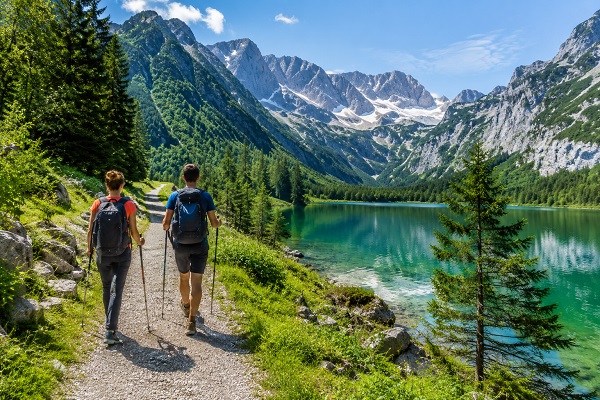
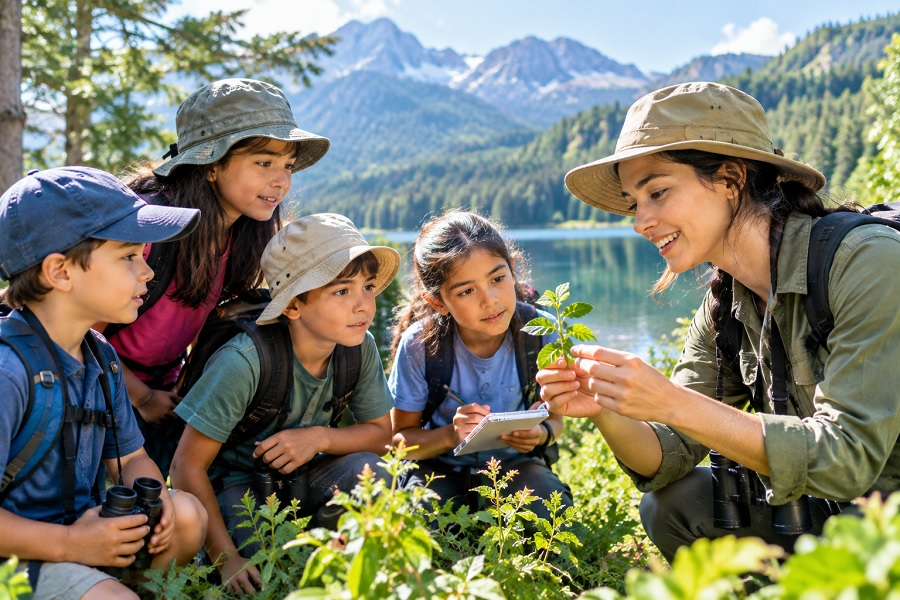
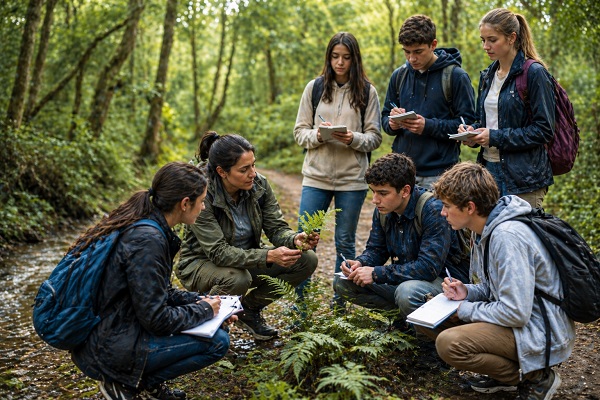
One of the biggest advantages of eco tourism is experiential learning. Visiting forests, national parks, and conservation sites allows students to observe flora and fauna in their natural habitats. Activities such as nature walks, birdwatching, and guided ecological tours help students develop a deeper appreciation for the environment. This hands-on learning fosters curiosity and encourages critical thinking.
Eco tourism also plays a significant role in building environmental awareness. Students learn about pressing global issues such as climate change, deforestation, and pollution. By seeing the effects of these challenges in real life, they become more conscious of their actions and more motivated to contribute to sustainable solutions.
Another important aspect is cultural understanding. Many eco tourism experiences involve interaction with local communities. Students get to learn about traditional lifestyles, sustainable practices, and indigenous knowledge systems. This cultural exchange broadens their perspective and promotes respect for diversity.
Moreover, eco tourism helps in developing essential life skills. Traveling in groups teaches teamwork, communication, and adaptability. Students learn to manage resources, respect nature, and take responsibility for their actions. These experiences contribute to personal growth and build confidence.
Educational institutions are increasingly recognizing the value of eco tourism. Schools and colleges organize eco trips, nature camps, and environmental workshops to complement academic learning. Such initiatives not only make education engaging but also instill a sense of responsibility towards the planet.
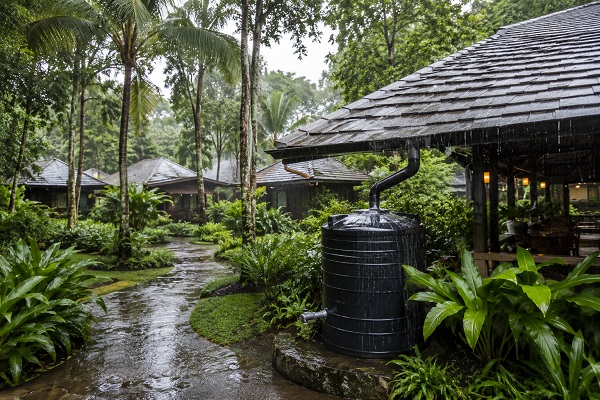
However, it is important for students to practice responsible tourism. This includes minimizing waste, avoiding harm to wildlife, respecting local customs, and supporting eco-friendly businesses. Sustainable travel habits ensure that natural environments are preserved for future generations.
Eco tourism for students is more than just travel—it is a journey of learning, awareness, and transformation. It encourages young minds to connect with nature, understand global challenges, and become responsible citizens. By embracing eco tourism, students can contribute to a greener, more sustainable future while gaining unforgettable experiences.