Dolphin Watching Ethics: How to Enjoy Marine Life Responsibly
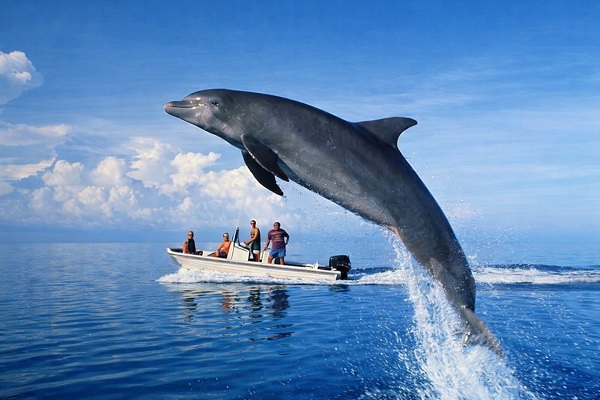
Dolphins are among the most intelligent and playful creatures in the ocean, making dolphin watching a popular activity for travelers around the world. However, observing these beautiful marine animals must be done responsibly to ensure their safety and the protection of their natural habitat. Practicing dolphin watching ethics allows tourists to enjoy unforgettable experiences while also supporting marine conservation.
Respect Dolphins’ Natural Behavior
Dolphins are wild animals, and their behavior should never be disturbed for entertainment. Boats and tourists should maintain a safe distance so dolphins can swim, hunt, and socialize naturally. Chasing or surrounding dolphins can cause stress and disrupt their daily routines. Ethical tour operators always follow guidelines that prioritize the well-being of marine life.
Avoid Feeding Dolphins
Feeding dolphins may seem harmless, but it can create serious problems. When dolphins become dependent on human food, they lose their natural hunting instincts. This can also increase their risk of injury from boats or fishing equipment. Responsible dolphin watching tours strictly prohibit feeding wild dolphins.
Choose Responsible Tour Operators
One of the best ways to practice dolphin watching ethics is by selecting eco-friendly tour operators. Responsible operators follow wildlife guidelines, maintain safe distances, limit the number of boats near dolphins, and educate tourists about marine conservation. Supporting such companies encourages sustainable tourism and protects marine ecosystems.
Reduce Noise and Pollution
Excessive boat noise can disturb dolphins and interfere with their communication. Ethical tours keep noise levels low and avoid sudden movements that might frighten the animals. Additionally, tourists should ensure they do not throw plastic or waste into the ocean, as marine pollution poses a serious threat to dolphins and other sea life.
Learn and Educate Others
Dolphin watching is not just about entertainment; it is also an opportunity to learn about marine ecosystems. By understanding dolphin behavior, migration patterns, and conservation challenges, travelers can become ambassadors for ocean protection. Sharing this knowledge helps spread awareness and encourages more responsible travel practices.
Support Marine Conservation
Many dolphin watching tours contribute to marine research and conservation programs. Travelers can support these efforts by choosing operators that donate to conservation initiatives or participate in marine wildlife monitoring. Responsible tourism plays a vital role in protecting dolphin populations for future generations.
Conclusion
Dolphin watching can be a magical and memorable experience when done responsibly. By respecting wildlife, choosing ethical tour operators, and protecting marine environments, travelers can ensure that dolphins continue to thrive in their natural habitats. Ethical dolphin watching not only preserves marine ecosystems but also promotes sustainable tourism practices around the world.