Digital Tools for Eco Travelers: Smart Ways to Travel Sustainably
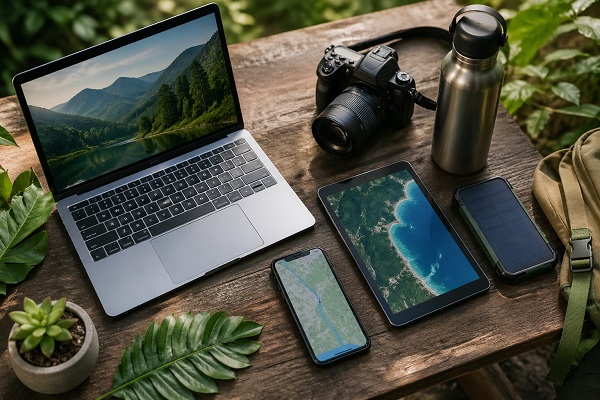
In today’s digital age, technology plays a powerful role in making travel more sustainable. From reducing paper usage to helping travelers choose eco-friendly accommodations, digital tools are transforming the way we explore the world responsibly. If you’re planning a green getaway, leveraging the right apps and platforms can significantly reduce your environmental footprint while enhancing your overall travel experience.
Why Digital Tools Matter in Ecotourism
Ecotourism is all about minimizing harm to the environment while supporting local communities. Digital tools help achieve this by:
Eliminating the need for printed tickets, maps, and guides
Providing access to eco-certified accommodations
Offering real-time information to avoid overcrowding
Helping track and reduce carbon emissions
By using digital solutions, travelers can make more informed and environmentally conscious decisions.
Must-Have Digital Tools for Eco Travelers
Eco-Friendly Booking Platforms
Websites and apps now specialize in listing sustainable hotels, eco-lodges, and homestays. These platforms highlight accommodations that follow green practices like solar energy use, water conservation, and waste management.
Carbon Footprint Calculators
These tools estimate the environmental impact of your travel, especially flights. They also suggest ways to offset emissions by contributing to environmental projects like reforestation.
Digital Maps & Navigation
Apps like GPS-based maps reduce the need for paper maps and guidebooks. They also help travelers discover nearby eco-friendly spots, walking trails, and public transport routes.
Sustainable Transport Apps
Ride-sharing, bicycle rentals, and public transport apps encourage low-emission travel options. Many cities now offer digital platforms to rent electric scooters or bikes.
Waste Reduction & Recycling Apps
Some apps guide travelers on how to dispose of waste responsibly in different regions. They also locate nearby recycling centers and zero-waste stores.
Wildlife & Nature Guides
Digital field guides help identify plants, birds, and animals without disturbing nature. These tools enhance the experience while promoting awareness and conservation.
Language Translation Apps
These apps help travelers communicate with local communities, reducing misunderstandings and encouraging cultural respect without relying on printed phrasebooks.
Offline Travel Planners
Offline apps allow you to store itineraries, tickets, and maps without needing internet access—saving battery and reducing unnecessary data usage.
Tips for Using Digital Tools Responsibly
While digital tools are helpful, they also consume energy. Here’s how to use them sustainably:
Download content over Wi-Fi instead of mobile data
Use devices with energy-saving modes
Avoid excessive gadget use during nature experiences
Choose apps that promote sustainability
The Future of Eco Travel Technology
With advancements in AI and data analytics, digital tools are becoming smarter. Future innovations may include real-time carbon tracking, AI-based eco travel recommendations, and smart tourism systems that manage visitor flow to protect fragile ecosystems.
Conclusion
Digital tools are essential companions for modern eco travelers. They simplify planning, promote sustainable choices, and reduce environmental impact. By integrating technology with mindful travel habits, you can explore the world responsibly while preserving it for future generations.