Challenges Facing Ecotourism Development: Balancing Conservation and Growth
Ecotourism is often celebrated as a sustainable alternative to mass tourism—one that promotes environmental conservation, supports local communities, and encourages responsible travel. However, despite its growing popularity, the development of ecotourism faces several critical challenges that must be addressed to ensure it truly benefits nature and people alike.
Lack of Clear Definition and Standards
One of the biggest challenges in ecotourism development is the absence of universally accepted definitions and standards. Many destinations and businesses label themselves as “eco-friendly” without following genuine sustainability practices. This greenwashing confuses travelers and undermines the credibility of authentic ecotourism initiatives.
Inadequate Infrastructure
Ecotourism destinations are often located in remote or environmentally sensitive areas where basic infrastructure such as roads, sanitation, waste management, and renewable energy systems is limited. Poor infrastructure not only affects tourist experience but can also lead to environmental degradation if development is not planned carefully.
Environmental Degradation Due to Over-Tourism
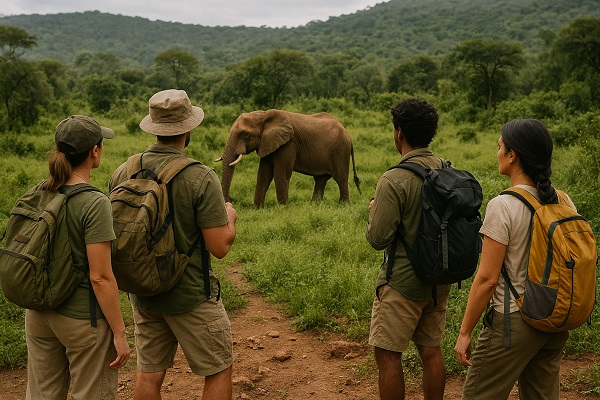
Ironically, ecotourism itself can harm the environment if visitor numbers are not properly regulated. Excessive footfall can disturb wildlife, damage fragile ecosystems, increase waste generation, and strain natural resources such as water and forests. Carrying capacity assessments are often ignored in pursuit of higher tourist revenue.
Limited Community Participation
True ecotourism should empower local and indigenous communities. However, in many cases, local residents have minimal involvement in planning or decision-making. When benefits bypass local communities and flow primarily to external operators, it creates economic inequality and weakens community support for conservation efforts.
Lack of Awareness and Training
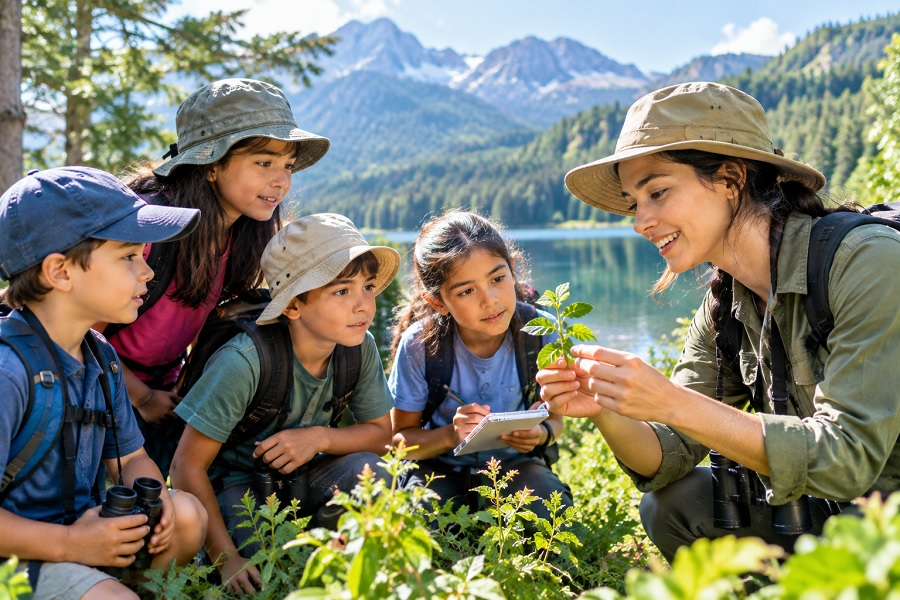
Both tourists and service providers often lack adequate awareness about responsible tourism practices. Insufficient training in sustainable operations, wildlife behavior, and cultural sensitivity can lead to unintentional harm to the environment and local traditions.
Financial Constraints
Developing ecotourism projects requires upfront investment in sustainable infrastructure, conservation programs, and community capacity-building. Many regions struggle to secure funding, while small operators find it difficult to balance affordability with eco-friendly practices that are often more expensive initially.
Weak Policy Implementation and Regulation
While many governments promote ecotourism, weak enforcement of environmental regulations remains a major hurdle. Inconsistent policies, bureaucratic delays, and lack of monitoring allow unsustainable practices to continue, threatening long-term ecological balance.
Climate Change Risks
Climate change poses an emerging challenge to ecotourism destinations. Rising temperatures, unpredictable weather patterns, forest fires, coral bleaching, and biodiversity loss directly impact nature-based tourism, making long-term planning increasingly complex.
Striking the Right Balance
The core challenge in ecotourism development lies in balancing conservation with economic growth. Without careful planning, strong governance, and stakeholder collaboration, ecotourism risks becoming another form of mass tourism—losing its original purpose.
The Way Forward
Addressing these challenges requires a multi-pronged approach involving clear standards, responsible policies, community participation, environmental education, and long-term vision. When implemented thoughtfully, ecotourism can become a powerful tool for sustainable development, preserving natural heritage while creating meaningful livelihoods.