Solar Energy for Eco-Tourism Destinations: Powering Sustainable and Green Travel
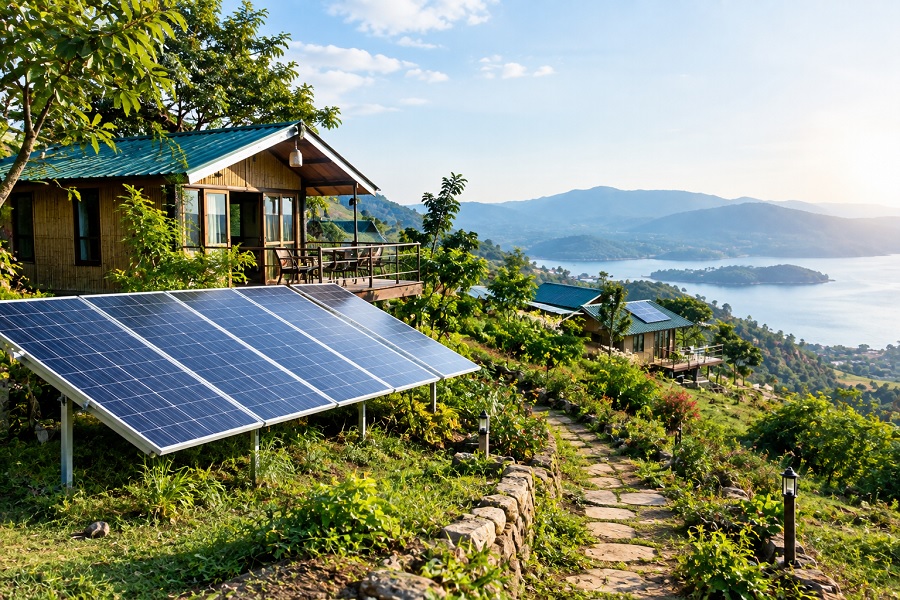
Solar Energy for Eco-Tourism Destinations
Solar Energy for Eco-Tourism Destinations is becoming an important part of sustainable tourism as hotels, eco-lodges, camps, resorts, and remote nature destinations look for cleaner and more reliable energy solutions. Solar power can help tourism businesses reduce dependence on diesel generators and conventional electricity while supporting low-impact travel.
Remote tourism destinations can particularly benefit from solar energy because transporting diesel fuel to forests, mountains, islands, and protected areas can be expensive and environmentally challenging. A current example is Kapawi Ecolodge in the Ecuadorian Amazon, where a 2026 project is installing solar power while training local community members to manage the system.
What Is Solar Energy in Eco-Tourism?
Solar energy uses sunlight to produce electricity or heat. In tourism destinations, solar photovoltaic panels can generate electricity for lighting, refrigeration, communication systems, pumps, charging stations, and other operations. Solar thermal systems can also provide hot water.
This makes solar power particularly useful for eco-lodges and nature-based tourism properties where reducing environmental impact is a major objective.
Why Solar Energy Matters for Eco-Tourism
Tourism properties can consume significant amounts of energy for guest rooms, kitchens, water heating, cooling, lighting, laundry, and other services. Remote eco-tourism properties may traditionally depend on diesel generators.
Solar installations can help reduce this dependence. Kilaguni Serena Safari Lodge in Kenya, for example, became a fully solar-powered lodge and has continued expanding its sustainability practices.
Solar energy can also operate quietly, which is particularly valuable in wildlife destinations where minimizing noise can improve the visitor experience and reduce disturbance.
Solar-Powered Eco-Lodges
Eco-lodges are among the most suitable tourism properties for solar energy. Rooftop panels, ground-mounted systems, battery storage, and solar water heaters can be combined according to the property's requirements.
In India, eco-lodges are already using renewable-energy systems alongside other sustainable practices. Apani Dhani Eco-Lodge in Rajasthan, for example, uses photovoltaic panels and solar water heaters as part of its environmental approach.
Solar Energy in Remote Tourism Destinations
Remote destinations often face special energy challenges. Connecting a property to the electricity grid may be expensive or impractical, while transporting fuel can increase operating costs.
Solar systems can provide an alternative source of electricity for:
Eco-lodges
Forest camps
Wildlife resorts
Mountain homestays
Island resorts
Desert camps
Rural tourism properties
Nature interpretation centres
Visitor centres
Remote restaurants
Adventure camps
In the Amazon, the planned solar project at Kapawi Ecolodge is intended to reduce fossil-fuel dependence while building local technical skills.
Solar Panels and Eco-Resorts
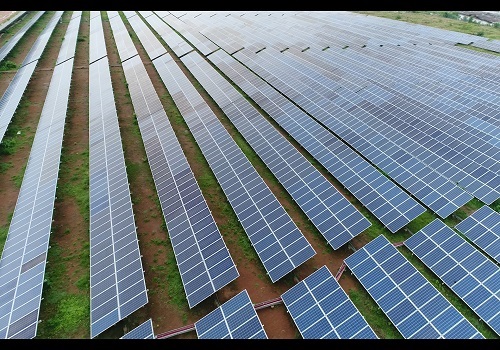
Larger eco-resorts can install solar panels across rooftops, parking structures, service buildings, and other suitable areas. Battery storage can help provide electricity when sunlight is unavailable.
RACV Noosa Resort in Australia expanded its solar installation in 2026 to 2,107 panels with approximately 940 kW of generation capacity, illustrating how larger tourism properties can significantly increase their solar footprint.
Solar Water Heating
Solar energy is not limited to electricity generation. Solar water heaters can provide hot water for guest rooms, kitchens, spas, and other facilities.
This can be particularly useful for eco-tourism properties because hot-water demand can be high, especially in hotels and resorts.
Combining solar electricity with solar water heating can create a more comprehensive renewable-energy strategy.
Solar Energy and Wildlife Tourism
Wildlife destinations can benefit from quiet, renewable energy systems. Reducing the use of diesel generators can decrease noise and fuel transportation requirements.
Solar power can support:
Wildlife lodges
Ranger stations
Visitor centres
Research facilities
Nature camps
Conservation centres
Wildlife observation facilities
However, solar infrastructure must be carefully designed so that it does not damage habitats or disturb wildlife.
Solar Energy and Community-Based Tourism
Solar projects can create benefits beyond tourism businesses. Community-owned or community-supported systems can provide electricity to local tourism enterprises while creating opportunities for training and employment.
The Kapawi project is an example of this approach, with local community members receiving training in solar-system management and maintenance.
This type of model can make renewable energy part of a broader community-based tourism strategy.
Solar Energy and Sustainable Hotels
Solar energy can work alongside other sustainable hotel practices, including:
Rainwater harvesting
Waste reduction
Composting
Energy-efficient lighting
Water conservation
Local food sourcing
Natural ventilation
Sustainable construction
Plastic reduction
Electric vehicle charging
For example, responsible tourism properties in India are increasingly combining solar power with rainwater harvesting, waste management, local sourcing, and community activities.
Solar-Powered Tourism Transportation
Solar energy can also indirectly support low-carbon tourism transportation.
Tourism destinations can use solar-generated electricity for EV charging stations, electric shuttle buses, electric boats, bicycles, and other mobility solutions.
In Maimará, Argentina, solar-powered railway infrastructure is being integrated with tourism and digital visitor experiences, demonstrating how renewable energy can become part of the wider destination system.
Solar Energy for Island Tourism
Islands can face high energy costs because conventional fuels often need to be transported from elsewhere. Solar energy combined with battery storage can help island tourism businesses become more energy independent.
Potential applications include:
Solar-powered beach resorts
Solar water heating
Solar desalination support
Solar lighting
Solar charging stations
Solar-powered boats
Off-grid eco-lodges
Careful planning is important because coastal environments can expose equipment to salt, humidity, storms, and strong winds.
Solar Energy in Mountain Tourism
Mountain destinations can also benefit from solar energy, particularly in remote areas.
Solar systems can support mountain lodges, trekking camps, homestays, restaurants, charging stations, and visitor centres.
India's Ladakh region has increasingly been associated with solar-powered accommodation and sustainable tourism initiatives.
Benefits of Solar Energy for Eco-Tourism
The major benefits include:
Reduced dependence on fossil fuels
Lower generator use
Potential reduction in operating costs
Cleaner energy production
Reduced fuel transportation
Quiet operation
Better energy resilience in remote locations
Support for sustainable tourism goals
Opportunities for local technical training
Stronger environmental credentials for tourism businesses
Challenges of Solar Energy in Tourism
Solar energy also has limitations. Initial installation costs can be significant, and systems require appropriate design, maintenance, batteries, and monitoring.
Tourism businesses should consider:
Available sunlight
Seasonal weather
Roof or land availability
Battery requirements
Energy demand
Equipment maintenance
Backup power
Local technical expertise
Environmental sensitivity
Long-term replacement costs
Solar should therefore be part of a complete energy-management plan rather than simply an addition made for marketing purposes.
Avoiding Greenwashing
Eco-tourism destinations should provide clear information about their renewable-energy claims.
A property describing itself as solar-powered should ideally communicate useful information such as the size of its solar installation, approximate energy contribution, whether batteries are used, and what other sustainability measures are implemented.
This helps travellers distinguish meaningful sustainability efforts from purely decorative "green" marketing.
Future of Solar Energy in Eco-Tourism
The future of solar-powered tourism is likely to involve solar panels, battery storage, smart energy-management systems, electric mobility, and energy-efficient buildings working together.
Remote destinations could increasingly use microgrids combining solar power with battery storage and other renewable technologies. Local communities can also be trained to operate and maintain these systems, helping create long-term employment and technical skills.
As eco-tourism grows, renewable energy can become an important part of destination planning rather than simply a feature of individual hotels.
Conclusion
Solar Energy for Eco-Tourism Destinations represents an important opportunity to combine tourism development with environmental responsibility. From remote forest lodges and mountain camps to island resorts and large eco-friendly hotels, solar power can provide cleaner energy while reducing dependence on conventional fuels.
Successful implementation requires more than installing solar panels. Destinations should combine renewable energy with energy efficiency, water conservation, responsible waste management, biodiversity protection, and community participation.
When planned properly, solar energy can help eco-tourism destinations become cleaner, quieter, more resilient, and better prepared for the future of sustainable travel.