Pollinator Tourism: Bees and Butterflies Leading the Way in Eco Travel
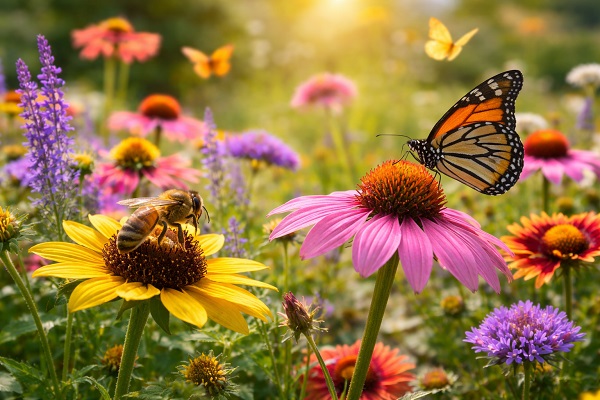
Pollinator tourism is emerging as one of the most meaningful trends within ecotourism, offering travelers a chance to witness nature’s smallest yet most powerful workers—bees and butterflies—in action. These delicate creatures play a critical role in maintaining ecosystems, supporting biodiversity, and ensuring global food security. By centering travel experiences around pollinators, this niche form of tourism not only creates unforgettable nature encounters but also promotes conservation awareness.
At its core, pollinator tourism focuses on visiting destinations rich in flowering plants, organic farms, butterfly gardens, and protected natural habitats where pollinators thrive. From vibrant meadows buzzing with bees to serene sanctuaries filled with fluttering butterflies, these experiences allow travelers to connect deeply with nature. Unlike traditional tourism, which often prioritizes sightseeing, pollinator tourism emphasizes observation, education, and minimal environmental impact.
Bees are among the most essential pollinators, responsible for pollinating nearly one-third of the food we consume. Visiting apiaries (bee farms) or participating in guided honey-harvesting experiences gives travelers insight into sustainable beekeeping practices. It also highlights the challenges bees face today, including habitat loss, pesticide exposure, and climate change. Similarly, butterfly tourism offers opportunities to explore lush gardens and reserves where species thrive in carefully maintained ecosystems. Observing their life cycle—from caterpillar to chrysalis to butterfly—can be both educational and inspiring.
One of the most attractive aspects of pollinator tourism is its accessibility. Travelers don’t need to venture far into remote wilderness; many urban and rural areas now feature pollinator-friendly spaces. Botanical gardens, eco-parks, and community farms are increasingly adopting practices that support bees and butterflies. In India, regions like the Western Ghats, Uttarakhand, and parts of Northeast India are known for their rich biodiversity and are ideal for such experiences.
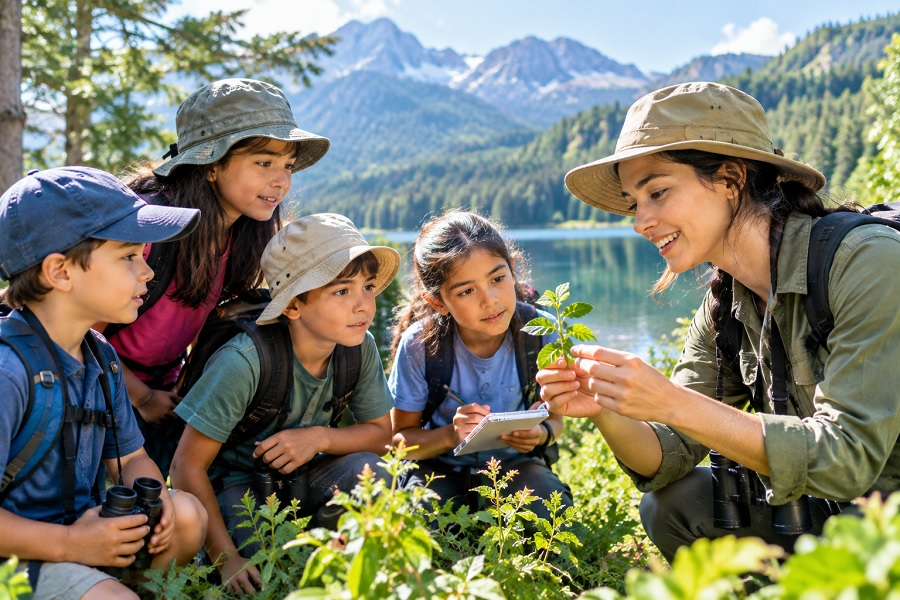
Beyond enjoyment, pollinator tourism plays a vital role in conservation. By generating income for local communities and encouraging sustainable land use, it creates a financial incentive to protect natural habitats. Tourists contribute directly by supporting eco-friendly farms, purchasing organic products, and participating in conservation programs. Educational tours also help raise awareness about the importance of pollinators, inspiring visitors to adopt eco-friendly habits in their daily lives.
However, responsible behavior is crucial. Travelers must avoid disturbing habitats, refrain from using harmful chemicals, and respect local guidelines. Simple actions like maintaining distance, not touching insects, and avoiding littering can make a significant difference in preserving these fragile ecosystems.
As climate change and environmental degradation continue to threaten pollinators worldwide, this form of tourism offers a hopeful path forward. It transforms travel into a tool for education, conservation, and positive impact. Pollinator tourism is not just about observing bees and butterflies—it’s about understanding their importance and becoming a part of the effort to protect them.
In a world where travel often leaves a heavy footprint, pollinator tourism stands out as a gentle, meaningful alternative—one that celebrates life, supports nature, and ensures that future generations can continue to witness the beauty of buzzing bees and dancing butterflies.