River Tourism & Conservation Efforts: Balancing Travel with Nature Protection
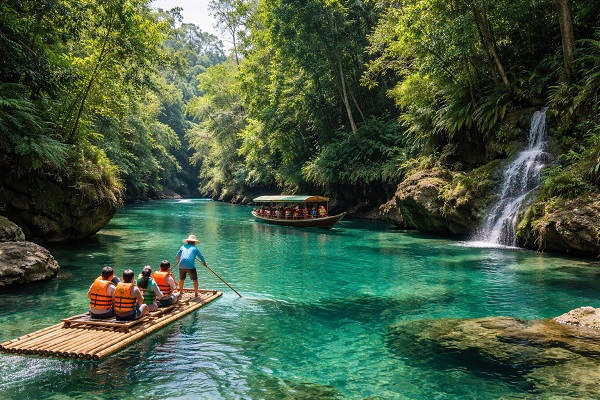
River tourism is emerging as one of the most sustainable and immersive forms of travel. From peaceful boat rides and river cruises to kayaking and cultural trails along riverbanks, travelers are increasingly drawn to water-based experiences. However, with growing popularity comes responsibility. Conservation efforts are essential to ensure that rivers remain clean, biodiverse, and vibrant for generations to come.
The Rise of River Tourism
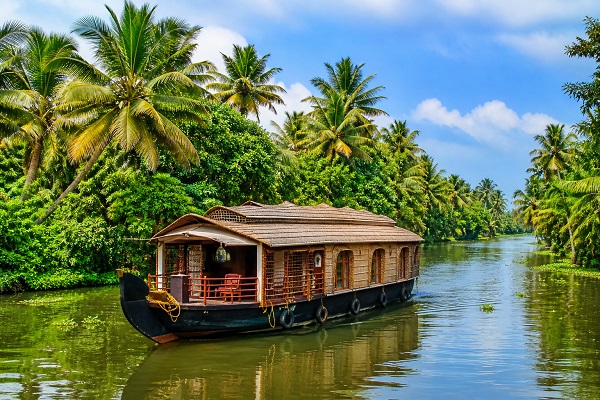
India is home to some of the world’s most iconic rivers, including the Ganga River, Brahmaputra River, Narmada River, and Kerala Backwaters. These rivers support livelihoods, agriculture, biodiversity, and spiritual traditions.
River tourism includes:
Eco-friendly river cruises
Kayaking and canoeing
Birdwatching along riverbanks
Cultural heritage walks
Community-based homestays
Sustainable fishing tourism
Such activities boost local economies, create employment, and promote awareness about aquatic ecosystems.
Why River Conservation Matters
Rivers face multiple threats:
Plastic pollution
Industrial discharge
Sand mining
Over-tourism
Habitat destruction
Without conservation, river tourism can contribute to environmental degradation instead of sustainability.
Healthy rivers:
Support aquatic biodiversity
Recharge groundwater
Maintain wetlands and forests
Provide drinking water and irrigation
Sustain local communities
Protecting rivers ensures tourism remains a long-term economic asset rather than a short-term gain.
Conservation Efforts Supporting River Tourism
Government Initiatives
Projects like Namami Gange Programme focus on cleaning and restoring river ecosystems while promoting sustainable tourism.
Community Participation
Local communities play a vital role in maintaining riverbanks, managing waste, and operating eco-tourism ventures responsibly.
Eco-Friendly Infrastructure
Solar-powered boats
Plastic-free zones
Waste management systems
Regulated tourist capacity
Responsible Travel Practices
Tourists can contribute by:
Avoiding single-use plastics
Respecting wildlife habitats
Supporting local businesses
Choosing certified eco-tour operators
The Way Forward
The future of river tourism lies in sustainable planning, strict environmental regulations, and public awareness. When conservation becomes a core principle, river tourism can protect ecosystems while enhancing economic growth.
By choosing responsible travel experiences, tourists become partners in conservation rather than contributors to pollution.