Coral Reef Tourism: Exploring Nature’s Underwater Paradise Responsibly
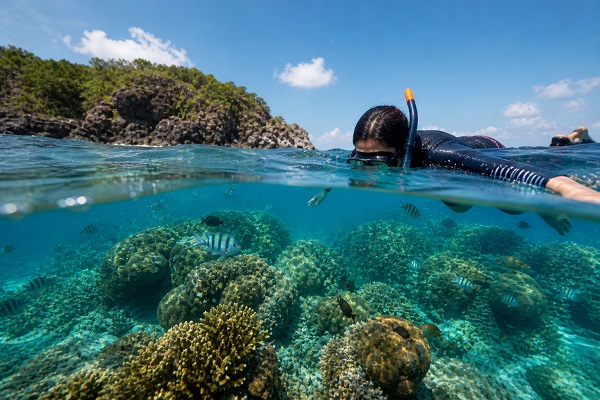
Coral reefs are among the most breathtaking natural wonders on Earth, often called the “rainforests of the sea.” With their vibrant colors, diverse marine life, and crystal-clear waters, coral reefs attract millions of travelers every year. Coral reef tourism offers a unique opportunity to explore this underwater world—but it also comes with the responsibility to protect these fragile ecosystems.
What is Coral Reef Tourism?
Coral reef tourism involves traveling to coastal and island destinations to experience coral ecosystems through activities like snorkeling, scuba diving, glass-bottom boat rides, and marine tours. Popular reef destinations include tropical regions with warm, clear waters that support rich biodiversity.
Why Coral Reefs Are So Special
Coral reefs cover less than 1% of the ocean floor but support nearly 25% of all marine species. They are home to colorful fish, sea turtles, sharks, and countless other organisms. Beyond their beauty, reefs play a crucial role in protecting coastlines from erosion and supporting fishing communities.
Popular Activities in Coral Reef Tourism
Snorkeling: A beginner-friendly way to observe coral reefs from the surface
Scuba Diving: A deeper, immersive experience for exploring marine life up close
Glass-Bottom Boat Tours: Ideal for non-swimmers or families
Underwater Photography: Capturing the vibrant reef ecosystem
Marine Wildlife Tours: Guided experiences to learn about reef biodiversity
Top Coral Reef Destinations
Some of the world’s most famous coral reef locations include:
The Great Barrier Reef in Australia
The Maldives’ coral atolls
Indonesia’s Raja Ampat Islands
The Red Sea reefs in Egypt
Andaman & Nicobar Islands in India
These destinations offer diverse reef systems, making each experience unique.
Importance of Sustainable Coral Reef Tourism
Coral reefs are extremely sensitive to environmental changes. Rising ocean temperatures, pollution, and irresponsible tourism can lead to coral bleaching and long-term damage. Sustainable tourism practices are essential to protect these ecosystems for future generations.
Responsible Travel Tips
Avoid touching or stepping on corals
Use reef-safe sunscreen
Do not litter or pollute the water
Maintain a safe distance from marine life
Choose eco-certified tour operators
Follow local conservation guidelines
Economic Benefits for Local Communities
Coral reef tourism provides livelihoods for coastal communities through jobs in tourism, diving, fishing, and conservation. When managed responsibly, it creates a balance between economic growth and environmental protection.
Challenges Facing Coral Reef Tourism
Despite its benefits, coral reef tourism faces several challenges:
Coral bleaching due to climate change
Over-tourism in popular destinations
Marine pollution and plastic waste
Damage caused by inexperienced divers
Coastal development affecting reef health
Addressing these issues requires global awareness and collective action.
The Future of Coral Reef Tourism
With increasing awareness about sustainability, many destinations are adopting eco-friendly practices such as limiting visitor numbers, promoting conservation programs, and encouraging responsible travel behavior. Travelers are also becoming more conscious, choosing experiences that support environmental protection.
Final Thoughts
Coral reef tourism is a magical way to connect with nature’s underwater beauty. However, it comes with a shared responsibility—to explore without harming. By making mindful choices, travelers can help preserve these incredible ecosystems while enjoying unforgettable experiences beneath the waves.