Green Building in Tourism: Shaping a Sustainable Future
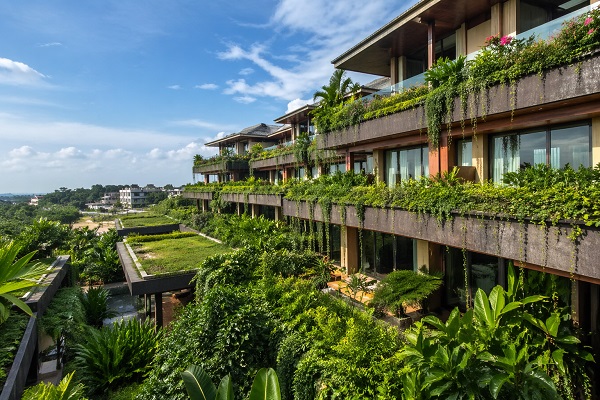
As global awareness of environmental challenges grows, the tourism industry is embracing sustainability like never before. One of the most impactful shifts has been the rise of green buildings—eco-friendly structures designed to reduce environmental impact while enhancing efficiency and guest comfort. In tourism, green buildings are transforming hotels, resorts, and travel spaces into responsible and future-ready destinations.
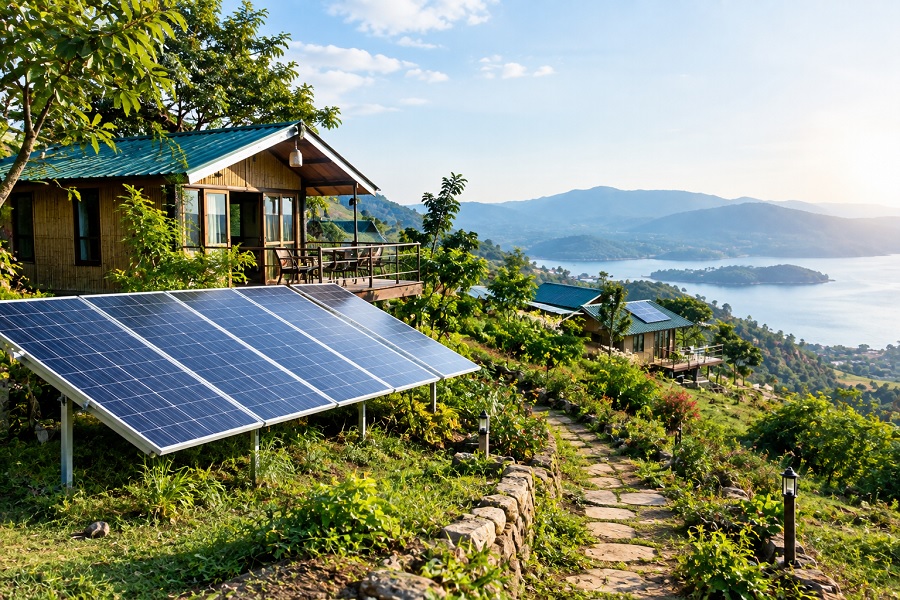
Green buildings focus on minimizing resource consumption and environmental damage throughout their lifecycle—from design and construction to operation and maintenance. In tourism, this means using sustainable materials, optimizing energy efficiency, and integrating nature into architectural design. These buildings often incorporate features such as solar panels, rainwater harvesting systems, natural ventilation, and green roofs.
A key advantage of green buildings in tourism is energy efficiency. By using renewable energy sources and smart technologies, hotels can significantly reduce electricity consumption. LED lighting, energy-efficient appliances, and automated systems help conserve resources without compromising guest comfort. Water conservation is another crucial aspect, achieved through low-flow fixtures, wastewater recycling, and rainwater collection.
Green buildings also enhance the guest experience. Travelers today are increasingly eco-conscious and prefer accommodations that align with their values. Staying in a green hotel allows guests to enjoy modern amenities while knowing their environmental footprint is minimized. Natural lighting, improved air quality, and the use of non-toxic materials contribute to healthier and more relaxing stays.
In countries like India, green tourism infrastructure is gaining momentum. Eco-resorts in regions such as Kerala, Goa, and Himachal Pradesh are adopting sustainable construction techniques that blend seamlessly with natural surroundings. These initiatives not only preserve biodiversity but also promote responsible tourism practices among visitors.
Certifications like Leadership in Energy and Environmental Design (LEED) and Indian Green Building Council (IGBC) play a crucial role in encouraging and recognizing sustainable construction. These standards ensure that buildings meet strict environmental criteria, helping travelers identify genuinely eco-friendly accommodations.
Beyond environmental benefits, green buildings also support local economies. By using locally sourced materials and labor, they reduce transportation emissions and create employment opportunities. Many eco-friendly tourism properties also promote local culture, cuisine, and traditions, offering guests a more authentic experience.
However, the success of green buildings in tourism depends on both providers and travelers. While developers must commit to sustainable practices, travelers should actively choose eco-certified accommodations and adopt responsible habits such as conserving water, reducing waste, and respecting natural ecosystems.
Green building in tourism is more than a trend—it is a necessary evolution. As the demand for sustainable travel grows, eco-friendly infrastructure will play a vital role in preserving the planet while delivering meaningful and memorable travel experiences. By supporting green buildings, we take a step closer to a cleaner, greener, and more responsible future for tourism.