Wildlife Ecotourism: Traveling Without Harming Nature
Wildlife ecotourism is redefining the way people explore the natural world. Unlike conventional tourism that often prioritizes entertainment over environmental responsibility, wildlife ecotourism focuses on ethical travel practices that protect ecosystems, conserve wildlife, and support local communities. It allows travelers to experience nature in its raw beauty—without causing harm.
Understanding Wildlife Ecotourism
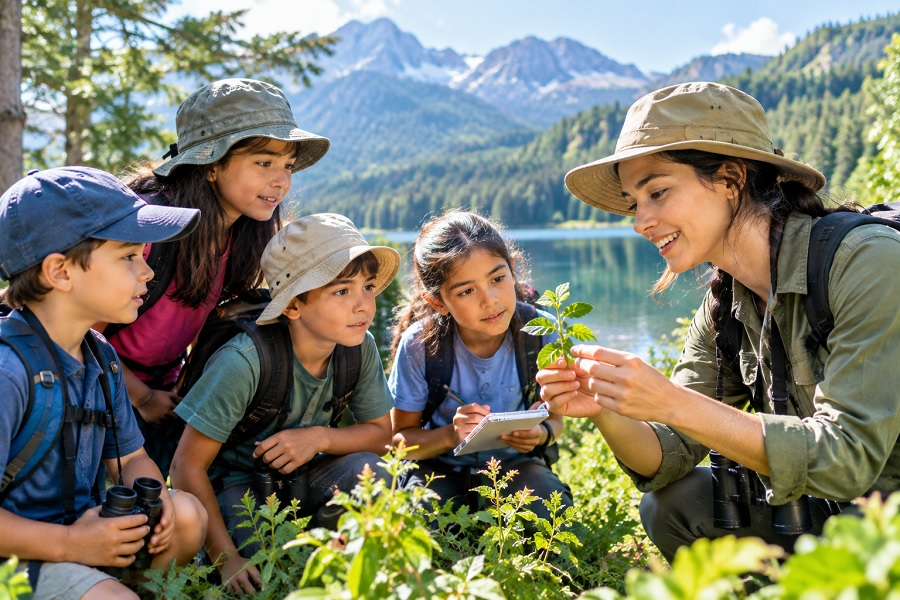
At its core, wildlife ecotourism promotes responsible interactions with animals in their natural habitats. The goal is not just to observe wildlife, but to do so in a way that minimizes disturbance and contributes to long-term conservation. This includes visiting national parks, wildlife sanctuaries, marine reserves, and conservation-led eco-lodges that follow strict environmental guidelines.
Conservation Through Responsible Travel
One of the biggest benefits of wildlife ecotourism is its role in funding conservation efforts. Entry fees, guided tours, and eco-stay revenues often go directly toward habitat preservation, anti-poaching initiatives, and wildlife research. When managed responsibly, tourism becomes a powerful tool to protect endangered species rather than exploit them.
Supporting Local Communities
Wildlife ecotourism creates employment opportunities for local communities as guides, conservation workers, and hospitality providers. When communities benefit economically from protecting wildlife, they become active stakeholders in conservation. This reduces dependence on harmful activities like illegal hunting, logging, or land exploitation.
Ethical Wildlife Encounters
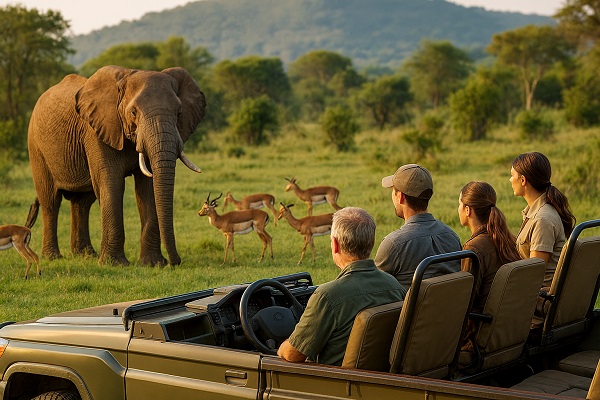
True wildlife ecotourism avoids activities that involve animal captivity, forced performances, or unnatural interactions. Ethical travel encourages observing animals from a safe distance, respecting natural behaviors, and following park rules. Whether it’s a safari, birdwatching tour, or marine exploration, responsible behavior ensures wildlife remains stress-free and undisturbed.
Minimizing Environmental Impact
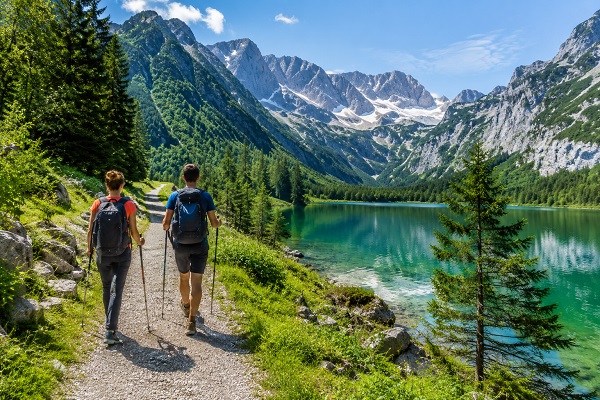
Eco-conscious travelers are encouraged to reduce waste, avoid single-use plastics, conserve water and energy, and choose eco-certified accommodations. Small actions—such as staying on designated trails or choosing non-motorized transport—can significantly reduce environmental impact.
The Future of Wildlife Ecotourism
As awareness about climate change and biodiversity loss grows, wildlife ecotourism is gaining global importance. Travelers are increasingly choosing experiences that align with sustainability and ethical values. When done right, wildlife ecotourism creates a win-win situation—offering unforgettable experiences while ensuring nature thrives for generations to come.
Traveling without harming nature isn’t just a trend—it’s a responsibility. Wildlife ecotourism proves that humans can explore the wild respectfully, protect biodiversity, and still enjoy meaningful, life-changing journeys.