Responsible Trekking and Hiking Practices
Responsible trekking and hiking are about more than reaching scenic viewpoints. They are about protecting the landscapes you explore so future travelers can enjoy the same natural beauty. As outdoor tourism grows, adopting mindful habits on the trail has become essential for preserving fragile ecosystems.
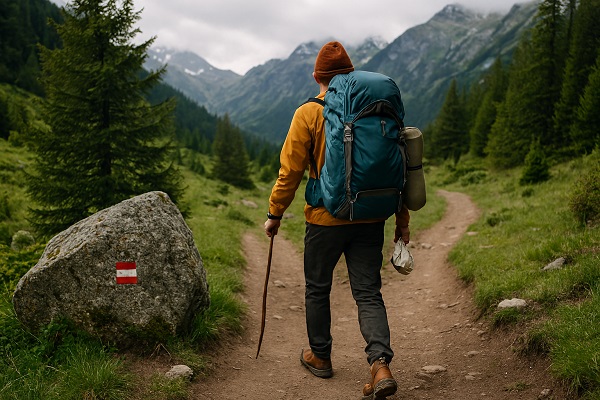
One of the core principles of responsible hiking is following the guidelines promoted by the Leave No Trace Center for Outdoor Ethics. This includes staying on marked trails to prevent soil erosion and damage to plant life. Cutting across switchbacks or creating new paths may seem harmless, but it can gradually scar landscapes and disrupt habitats.
Waste management is another key responsibility. Hikers should carry out everything they bring in, including food wrappers and biodegradable waste. Even organic scraps like fruit peels can disturb local wildlife and take longer than expected to decompose. Carrying a small reusable trash bag makes it easy to leave the trail cleaner than you found it.
Respecting wildlife is equally important. Observing animals from a distance avoids stress and preserves their natural behavior. Feeding wildlife can make animals dependent on humans and may create dangerous situations. Quiet trekking also helps minimize disturbance to birds and other sensitive species.
Responsible hikers also consider their impact on local communities. Supporting locally owned guides, accommodations, and businesses helps ensure tourism benefits residents. Learning about regional customs and respecting cultural sites strengthens the connection between travelers and host communities.
Preparation plays a big role in sustainability. Using durable, eco friendly gear, conserving water, and choosing reusable containers reduce your environmental footprint. Traveling in small groups and during off peak seasons can also lessen pressure on popular trails.
When practiced thoughtfully, trekking and hiking become powerful ways to appreciate nature while protecting it. Every careful step contributes to conserving trails, wildlife, and cultural heritage for generations to come.