Modernized Heritage Textiles: Tradition Reimagined for Contemporary Fashion
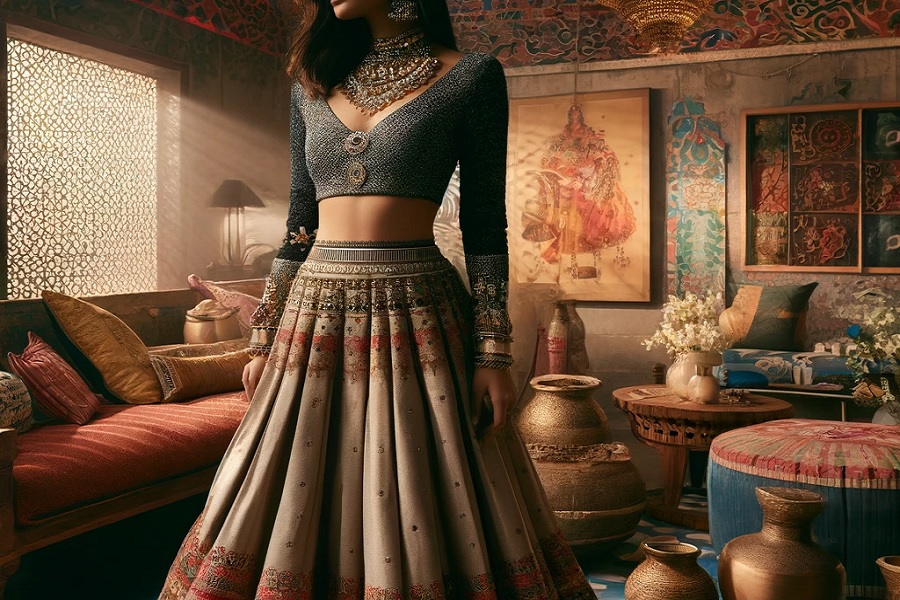
India’s textile heritage is one of the richest and most diverse in the world. From the intricate weave of Banarasi fabrics to the delicate artistry of Kashmiri craftsmanship and the timeless elegance of silk, traditional Indian textiles have long represented culture, identity, and skilled craftsmanship. Today, these heritage textiles are experiencing a modern revival as designers and consumers increasingly blend traditional artistry with contemporary fashion silhouettes. This fusion is transforming ethnic craftsmanship into versatile fashion suited for modern lifestyles.
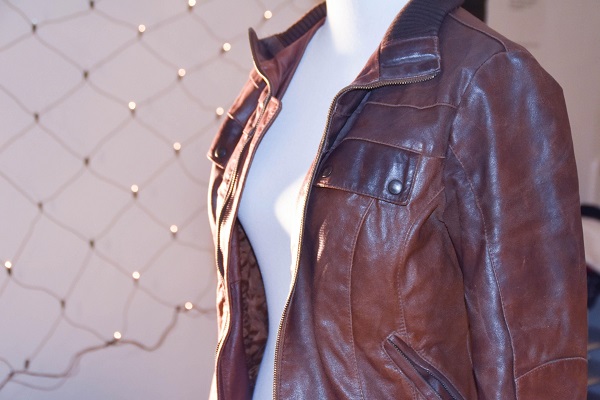
Modern consumers seek clothing that balances cultural authenticity with comfort, practicality, and global style sensibilities. As a result, traditional textiles are now being incorporated into contemporary outfits such as structured jackets, co-ord sets, dresses, fusion sarees, oversized shirts, jumpsuits, and minimalistic separates. Banarasi fabrics once associated mainly with bridal wear are now appearing in modern eveningwear and tailored pieces. Kashmiri embroidery is being adapted into lightweight jackets, scarves, and western silhouettes, while silk fabrics are being redesigned into elegant everyday luxury wear. This evolution allows traditional textiles to remain relevant across generations.
The growing popularity of modernized heritage textiles also reflects a larger movement toward conscious and sustainable fashion. Consumers are increasingly valuing craftsmanship, slow fashion, and handmade artistry over mass-produced clothing. Traditional weaving and embroidery techniques often involve skilled artisans, natural fibers, and time-intensive craftsmanship that carry cultural and emotional value. By adapting these textiles into modern fashion, designers are helping preserve centuries-old traditions while creating new economic opportunities for artisan communities across India.
The fusion of heritage and contemporary design represents more than just a fashion trend — it symbolizes cultural continuity in a rapidly changing world. Younger consumers are embracing fashion that connects them to their roots while still aligning with global aesthetics and modern functionality. Modernized heritage textiles prove that tradition does not have to remain confined to the past. Instead, it can evolve, adapt, and thrive within modern fashion, creating a timeless blend of history, craftsmanship, and innovation.
In the global fashion landscape, modernized heritage textiles are also helping Indian design gain stronger international recognition. Designers are increasingly showcasing fusion collections on global runways, where traditional fabrics are reinterpreted in minimal, structured, and experimental forms. This cross-cultural appeal allows Indian textiles to move beyond ethnic occasions and enter everyday global wardrobes. As sustainability and authenticity become key values in fashion worldwide, these textiles stand out for their depth of history, craftsmanship, and uniqueness—positioning them as not just cultural symbols, but as future-forward materials for global design innovation.