How to Create a Signature Personal Style: A Complete Guide to Defining Your Fashion Identity
Fashion is more than following the latest trends or wearing expensive clothing. It is a way of expressing personality, confidence and individuality. A signature personal style helps people create a distinctive appearance that reflects who they are and what makes them unique. Whether someone prefers minimalist outfits, elegant classics, streetwear or traditional fashion, developing a personal style makes dressing easier and more meaningful.
Creating a signature look does not happen overnight. It involves understanding personal preferences, experimenting with different outfits, choosing suitable colours and investing in clothing that feels comfortable and authentic. With a few thoughtful decisions, anyone can build a wardrobe that represents their identity.
1. Understand Your Fashion Personality
The first step towards creating a signature personal style is identifying the fashion aesthetic that naturally attracts you. Think about the outfits, colours, fabrics and silhouettes you enjoy wearing.
Some popular fashion personalities include:
Minimalist: Clean designs, neutral colours and simple silhouettes.
Classic: Timeless pieces such as tailored trousers, blazers, white shirts and elegant dresses.
Bohemian: Flowing fabrics, earthy colours, floral prints and relaxed silhouettes.
Streetwear: Oversized clothing, sneakers, graphic T-shirts and statement accessories.
Romantic: Soft colours, delicate fabrics, lace details and feminine designs.
Edgy: Leather jackets, dark colours, bold footwear and unconventional combinations.
You do not have to follow just one aesthetic. Combining elements from different fashion styles can help create a distinctive appearance.
2. Find Colours That Reflect Your Personality
Colour plays an important role in defining a signature look. Some people feel confident wearing neutral shades, while others enjoy bright and expressive colours.
Start by identifying the shades you frequently choose and feel comfortable wearing. Black, white, beige, grey and navy are versatile options that work well for everyday styling. Meanwhile, burgundy, emerald green, lavender, mustard and pastel shades can add personality to an outfit.
Creating a consistent colour palette also makes it easier to mix and match clothes. Choose a few base colours and introduce complementary shades through accessories, footwear and statement pieces.
3. Build a Wardrobe Around Essential Pieces
A signature personal style becomes easier to maintain when your wardrobe contains versatile clothing that suits your lifestyle.
Consider investing in essential pieces such as:
Well-fitted jeans and tailored trousers.
Classic white and black T-shirts.
Comfortable shirts and blouses.
A versatile blazer or jacket.
A neutral-coloured dress.
Comfortable everyday footwear.
A quality handbag or backpack.
Simple jewellery and accessories.
These wardrobe essentials can be styled in multiple ways, reducing the need to purchase new outfits frequently. Focus on quality, fit and versatility rather than simply following seasonal trends.
4. Understand Your Body Shape and Clothing Fit
Choosing clothing that fits comfortably can significantly improve your overall appearance. Instead of purchasing outfits just because they are fashionable, pay attention to proportions, silhouettes and how different garments feel when worn.
For example, wide-leg trousers can create an elegant silhouette when paired with fitted tops, while oversized shirts can look balanced with straight-leg jeans. Tailored jackets can add structure to casual outfits, and flowing dresses can create a relaxed yet sophisticated appearance.
Remember that there is no single ideal body shape or fashion rule. The best clothing is what makes you feel comfortable and confident.
5. Experiment with Different Fashion Trends
Developing a personal style does not mean avoiding trends completely. Fashion trends can introduce fresh ideas and encourage experimentation.
Try incorporating selected trends into your existing wardrobe instead of replacing everything. For example, you could experiment with statement belts, oversized jackets, metallic accessories, wide-leg denim or textured fabrics.
The key is to choose trends that complement your existing style. If a trend does not feel natural or comfortable, there is no need to adopt it.
6. Use Accessories to Create a Recognisable Look
Accessories can transform simple outfits into memorable fashion statements. They also offer an easy way to develop a consistent visual identity.
Some accessories worth exploring include:
Signature watches and bracelets.
Minimalist necklaces and earrings.
Statement sunglasses.
Classic handbags.
Stylish belts.
Scarves and hair accessories.
Distinctive footwear.
For example, someone who regularly wears neutral outfits might create a recognisable look through gold jewellery, structured handbags and classic sunglasses. Similarly, a streetwear enthusiast might prefer chunky sneakers, caps and layered chains.
Choosing a few accessories that you genuinely enjoy wearing can help establish a recognisable style.
7. Dress According to Your Lifestyle
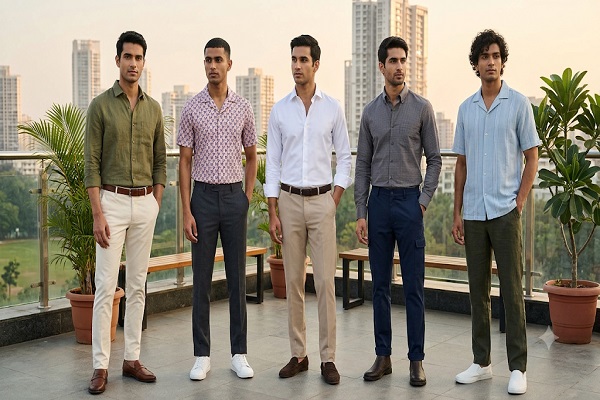
A personal style should work with your everyday routine. Someone working in a corporate environment may prefer structured shirts, tailored trousers and formal footwear, while a college student might enjoy casual jeans, comfortable sneakers and relaxed T-shirts.
Consider the activities that occupy most of your time before investing in new clothing.
Your wardrobe should include outfits for:
Daily activities and casual outings.
Workplace or professional settings.
Social gatherings and parties.
Festivals and cultural celebrations.
Travel and holidays.
Special occasions.
A practical wardrobe makes it easier to maintain your signature style without sacrificing comfort or functionality.
8. Create a Signature Outfit Formula
One effective way to develop a consistent fashion identity is to create an outfit formula. This means identifying combinations that work particularly well for you and repeating them with small variations.
For example:
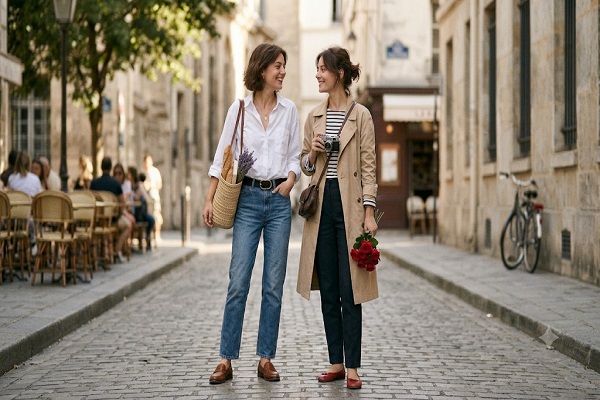
White shirt + blue jeans + loafers.
Oversized blazer + fitted top + straight-leg trousers.
Neutral kurta + tailored trousers + traditional accessories.
Graphic T-shirt + relaxed jeans + sneakers.
Midi dress + structured handbag + simple jewellery.
Having a few reliable outfit formulas reduces everyday styling decisions while maintaining a consistent appearance.
9. Take Inspiration Without Copying Others
Fashion influencers, celebrities, designers and street-style photographs can provide useful inspiration. However, copying another person's entire wardrobe may not help you develop an authentic style.
Instead, identify specific elements you admire. It could be someone's colour combinations, layering techniques, footwear choices or approach to accessorising.
Save inspiring outfit photographs and create a personal fashion mood board. Over time, you may notice recurring preferences that reveal your natural fashion identity.
10. Prioritise Confidence and Comfort
Confidence is one of the most important elements of personal style. Even an expensive outfit may not feel right if it is uncomfortable or does not reflect your personality.
Choose clothing that allows you to move comfortably and makes you feel confident. Avoid purchasing items simply because they are popular or recommended by others.
Personal style should evolve naturally as your preferences, lifestyle and experiences change. Allow yourself to experiment and update your wardrobe without feeling restricted by a particular aesthetic.
Common Mistakes to Avoid When Developing Personal Style
While exploring different fashion choices, avoid these common mistakes:
Following every trend: Constantly purchasing trending clothing can make your wardrobe inconsistent.
Ignoring comfort: Uncomfortable outfits can affect confidence and everyday convenience.
Buying unnecessary clothing: Shopping without a clear wardrobe plan often leads to unused purchases.
Copying celebrity outfits completely: Inspiration is useful, but personal style should reflect individuality.
Overlooking accessories: Small details can make a significant difference to an outfit.
Choosing the wrong fit: Even fashionable clothing may not create the desired appearance if it does not fit comfortably.
Conclusion
Creating a signature personal style is about discovering what makes you feel confident, comfortable and authentic. It requires understanding your fashion preferences, building a versatile wardrobe, experimenting with different aesthetics and choosing clothing that suits your lifestyle.
Rather than chasing every new trend, focus on developing a consistent appearance through colours, silhouettes, accessories and outfit combinations that reflect your personality. A well-defined personal style does not need to be expensive or complicated. Ultimately, the most memorable fashion statement is one that feels genuinely yours.