Historical Forts and Palaces as Cultural Attractions: Guardians of a Glorious Past
Historical forts and palaces are more than architectural landmarks. They are living stories carved in stone, reflecting the power, artistry, and culture of the eras they represent. Across India and around the world, these grand structures continue to attract travelers who want more than sightseeing. They want connection, history, and meaning.
Forts were built for defense, often standing tall on hills or guarding strategic trade routes. Palaces, on the other hand, were symbols of royalty, designed to showcase wealth, elegance, and craftsmanship. Together, they offer a window into political history, royal lifestyles, warfare strategies, and artistic excellence.
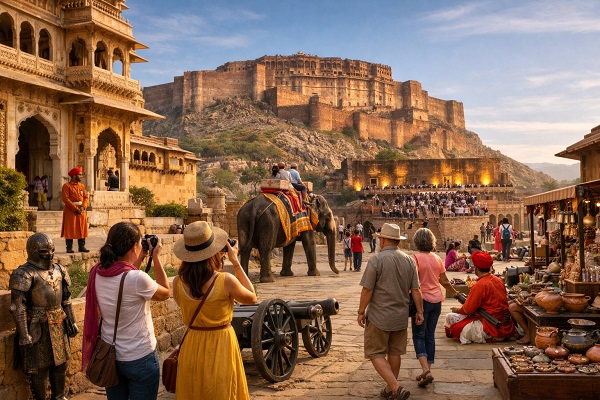
In India, forts like Mehrangarh in Jodhpur, Red Fort in Delhi, and Golconda Fort in Hyderabad highlight military brilliance and architectural strength. Their massive gates, intricate carvings, secret tunnels, and watchtowers reveal how rulers protected their kingdoms. Walking through these spaces gives visitors a sense of the challenges and ambitions of the past.
Palaces such as City Palace in Udaipur, Mysore Palace, and Hawa Mahal in Jaipur showcase luxury and refined taste. Detailed frescoes, mirror work, courtyards, and royal chambers reflect cultural influences from different periods. These spaces often blend Rajput, Mughal, and European styles, showing how art and architecture evolved over time.
What makes forts and palaces powerful cultural attractions is their ability to preserve heritage. Many now house museums displaying royal costumes, weapons, paintings, and artifacts. Light and sound shows bring historical events to life, making history accessible and engaging for younger generations.
They also play a major role in tourism-driven economies. Heritage hotels created from restored palaces allow visitors to experience royal living while supporting conservation efforts. Cultural festivals, traditional performances, and local craft markets held within these historic walls further strengthen community participation.
However, preserving these monuments requires constant care. Environmental damage, overcrowding, and neglect can threaten their structure. Responsible tourism and sustainable management are essential to ensure that future generations can continue to learn from and admire these treasures.
Historical forts and palaces are not just remnants of the past. They are cultural anchors that shape identity, inspire pride, and tell stories that textbooks often cannot capture. Visiting them is not only about admiring architecture. It is about understanding the journey of a civilization.