Exploring India’s Rivers: A Journey Through Ecotourism, Conservation and Local Culture
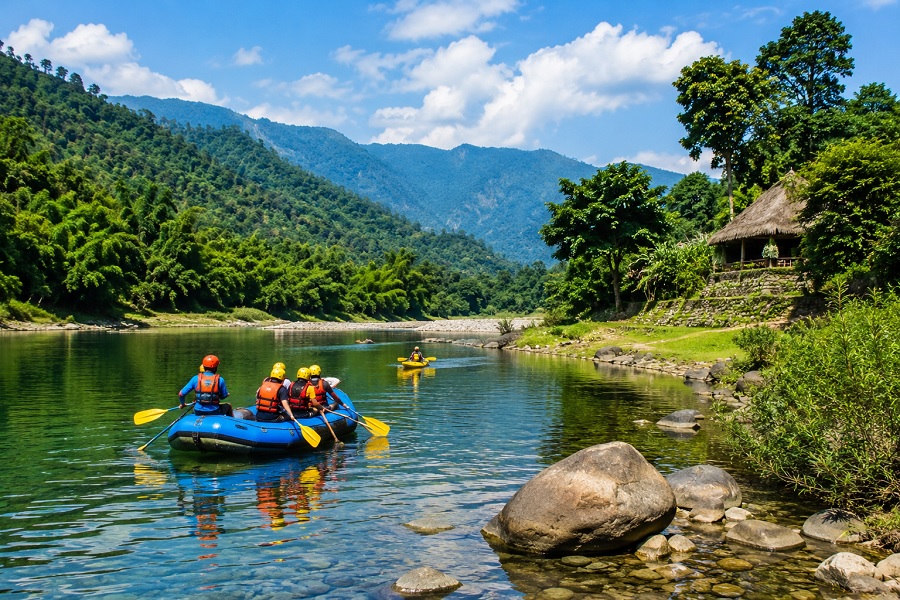
River Ecotourism in India: Exploring Nature, Wildlife and Sustainable River Experiences
Introduction
River Ecotourism in India combines nature travel, adventure, wildlife, local culture and environmental conservation around India's rivers and river landscapes. From the Ganga and Brahmaputra to the Narmada, Godavari, Periyar and Teesta, India's diverse river systems create opportunities for responsible tourism while supporting local communities.
River-based travel can include kayaking, canoeing, birdwatching, nature walks, river cruises, fishing experiences where permitted, photography, village visits and conservation activities. The key is ensuring that tourism protects river ecosystems rather than putting additional pressure on them.
India's Ministry of Tourism has identified ecotourism as an important niche tourism area and has developed national strategies focused on environmental, biodiversity, economic and socio-cultural sustainability.
What Is River Ecotourism?
River ecotourism is a form of nature-based tourism that takes place around rivers and their surrounding ecosystems.
It focuses on experiences such as:
River wildlife observation
Birdwatching
Kayaking
Canoeing
Nature walks
River cruises
Photography
Fishing experiences where legally permitted
Village visits
River conservation activities
Environmental education
Cultural experiences
Unlike conventional river tourism, ecotourism emphasizes responsible visitor behavior, conservation and benefits for local communities.
Why River Ecotourism Is Important
Rivers are much more than waterways. They support biodiversity, agriculture, communities, wetlands and cultural traditions.
Well-managed river tourism can help:
Create local employment
Support small tourism businesses
Encourage conservation
Promote environmental awareness
Support local guides
Encourage responsible travel
Preserve river-related traditions
Generate income for communities
The Ministry of Tourism's sustainable-tourism framework emphasizes environmental protection, local communities, heritage and inclusive economic growth.
Major River Ecotourism Experiences in India
1. River Wildlife Tourism
Several Indian rivers and their surrounding wetlands support important wildlife.
Travelers may encounter:
River dolphins
Crocodiles
Otters
Turtles
Water birds
Fish species
Wetland wildlife
Wildlife observation should always be conducted from an appropriate distance without feeding, chasing or disturbing animals.
2. River Birdwatching
Rivers provide excellent habitats for resident and migratory birds.
Birdwatching tours can be particularly attractive during migration seasons.
Possible sightings may include:
Kingfishers
Herons
Egrets
Storks
River terns
Cormorants
Ducks
Raptors
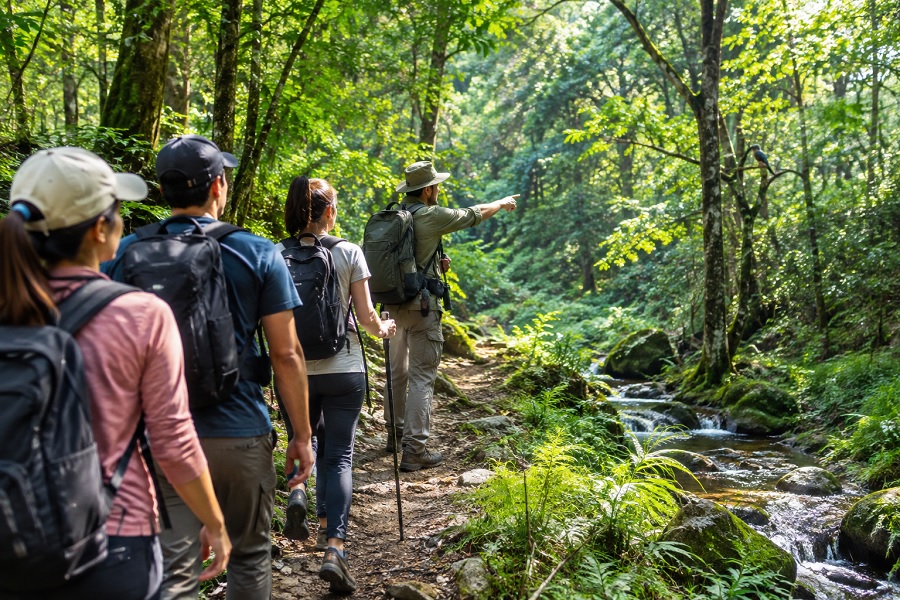
A local naturalist or trained guide can help visitors identify species and understand the river ecosystem.
3. Sustainable Kayaking
Kayaking offers an active way to explore river landscapes.
Responsible kayaking should involve:
Trained guides
Appropriate safety equipment
Designated routes
Respect for wildlife
No littering
Avoidance of sensitive breeding areas
Kayaking can be especially appealing for travelers looking for low-impact outdoor experiences.
4. Canoeing Experiences
Canoeing can provide a quieter alternative to motorized boating.
It allows visitors to experience:
River scenery
Forests
Wetlands
Birds
Local landscapes
Where possible, non-motorized activities can reduce noise and disturbance in sensitive river environments.
5. River Photography Tourism
Rivers provide excellent subjects for nature and landscape photography.
Photographers can capture:
Sunrise over rivers
Sunset reflections
Birds
Boats
Wetlands
Riverbanks
Local communities
Traditional fishing
Forest landscapes
Seasonal changes
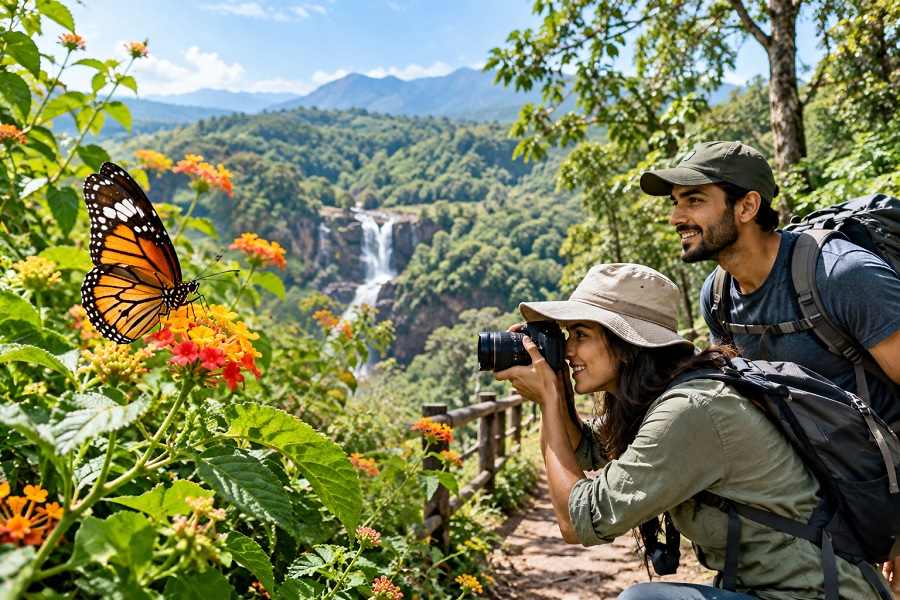
Photography should always respect local privacy and wildlife protection rules.
Famous River Ecotourism Regions in India
Ganga River
The Ganga is one of India's most culturally and ecologically significant rivers. River tourism around the Ganga can combine nature, heritage, spirituality and community experiences.
The Namami Gange Programme focuses on pollution reduction, conservation and rejuvenation of the Ganga, with biodiversity, afforestation, riverfront development and public awareness among its major pillars.
Recent NMCG activities also continue to connect river conservation with community participation, environmental awareness and cultural heritage.
Brahmaputra River
The Brahmaputra offers opportunities for:
River cruises
Birdwatching
Wildlife tourism
Photography
Island experiences
Cultural tourism
Its surrounding landscapes can provide an impressive combination of river, forest and wildlife experiences.
Narmada River
The Narmada offers opportunities to combine river landscapes with:
Heritage sites
Religious tourism
Nature experiences
Photography
Local culture
Godavari River
The Godavari supports diverse landscapes and communities across several Indian states.
River tourism can be combined with:
Rural tourism
Cultural experiences
Wetland exploration
Local food
Photography
Periyar River
Kerala's river and forest landscapes provide opportunities for nature-oriented tourism, wildlife observation and responsible outdoor activities.
Teesta River
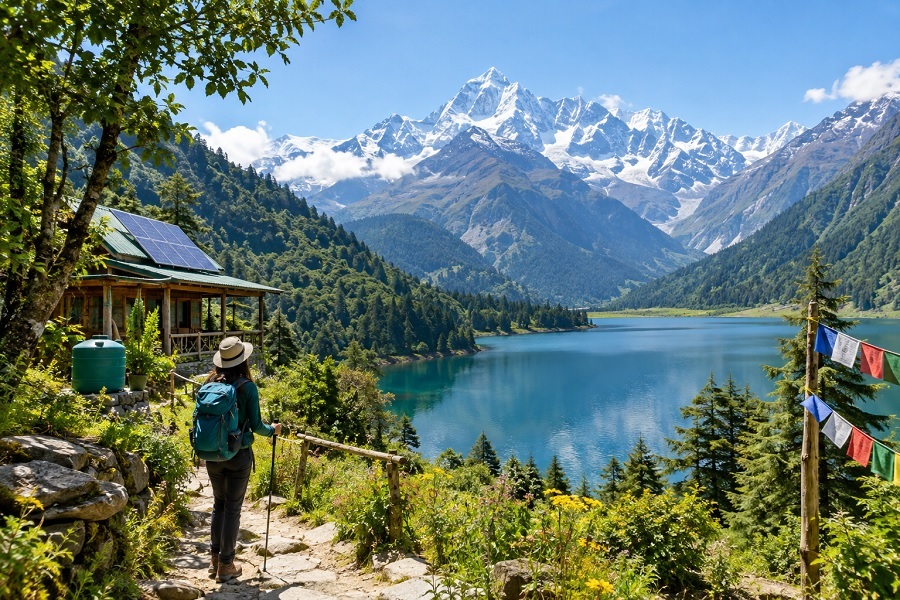
The Teesta region in the Himalayas is associated with mountain landscapes and adventure tourism, including river-based activities in suitable locations.
River Ecotourism and Local Communities
Local communities are central to successful river ecotourism.
Residents can participate as:
Nature guides
Boat operators
Homestay hosts
Food providers
Craft producers
Drivers
Photographers
Cultural interpreters
This creates opportunities for tourism income to remain within destination communities.
Community involvement is also consistent with India's broader ecotourism approach, which recognizes sustainable livelihoods and local participation as important components of ecotourism.
River Villages and Cultural Tourism
River ecotourism can be combined with village experiences.
Visitors can learn about:
Traditional fishing
River agriculture
Local cuisine
Boat-making
Traditional crafts
Folk music
River festivals
Local beliefs
Traditional water management
This creates a stronger connection between environmental tourism and cultural tourism.
Eco-Friendly River Cruises
River cruises can provide comfortable ways to explore large waterways.
A sustainable river cruise should consider:
Wastewater management
Fuel efficiency
Waste reduction
Noise control
Wildlife protection
Local employment
Responsible visitor numbers
Cruise operators should follow applicable environmental and navigation regulations.
River Conservation Tourism
An important emerging dimension of river ecotourism is conservation-focused travel.
Visitors can participate in or learn about:
River clean-up activities
Biodiversity monitoring
Bird surveys
Turtle conservation
Wetland restoration
Tree planting
Environmental education
NMCG's current work includes eco-friendly riverfront guidance, aquatic biomonitoring and environmentally sensitive river management resources.
River Ecotourism for Families
River destinations can offer educational experiences for families.
Children can learn about:
Water ecosystems
Birds
Fish
Wetlands
Conservation
Local communities
Responsible tourism
Nature walks and guided interpretation activities can turn a holiday into an informal environmental-learning experience.
River Ecotourism for Couples
Couples can enjoy:
Sunset river cruises
Scenic boat rides
Riverside stays
Nature photography
Birdwatching
Riverside dining
Kayaking
Village experiences
A quiet river setting can provide an alternative to conventional beach or city vacations.
River Ecotourism for Solo Travelers
Solo travelers can explore river destinations through guided nature experiences.
Popular activities include:
Birdwatching
Photography
Kayaking
Nature walks
Cultural tours
Eco-lodge stays
Using local guides can improve both safety and understanding of the ecosystem.
Best Time for River Ecotourism
The ideal season depends on the river and activity.
Winter
Often suitable for birdwatching in many regions because migratory species may be present.
Spring
Pleasant conditions can make nature walks and photography attractive.
Summer
Mountain and northern river destinations may provide cooler outdoor experiences, although conditions vary.
Monsoon
Heavy rainfall can increase river levels and create hazards. Some activities may be restricted or suspended.
Travelers should check local weather, water levels, permits and operator instructions before undertaking river activities.
Responsible River Tourism Rules
Visitors should follow simple environmental principles:
Never throw waste into rivers.
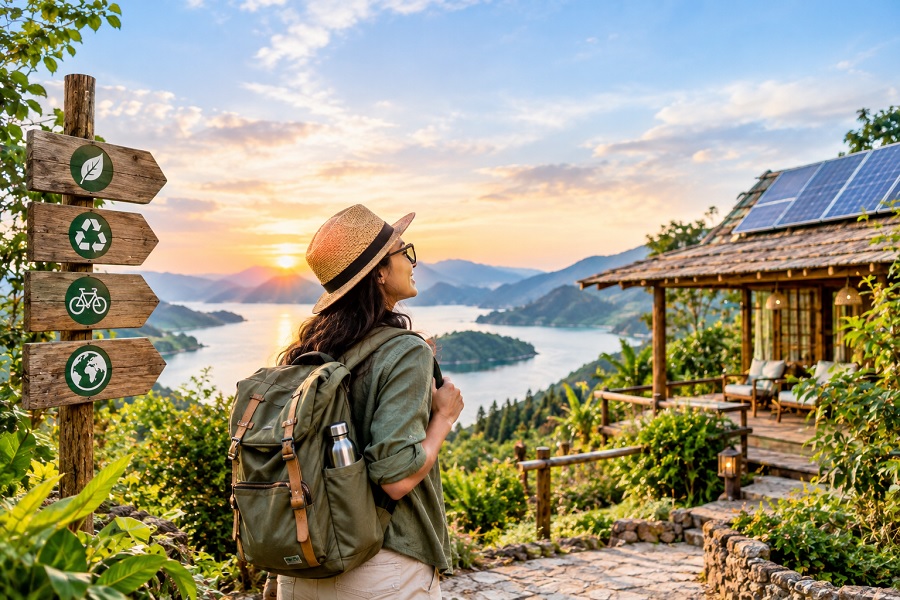
Carry reusable water bottles.
Avoid single-use plastics.
Do not feed wildlife.
Keep a safe distance from animals.
Follow designated routes.
Respect local communities.
Avoid disturbing nesting sites.
Use authorized operators.
Follow local environmental regulations.
Avoid damaging vegetation.
Do not remove stones, plants or wildlife as souvenirs.
Eco-Friendly River Accommodation
River travelers can choose accommodation that demonstrates responsible practices.
Look for:
Waste segregation
Sewage treatment
Water conservation
Solar energy
Local food
Plastic reduction
Local employment
Nature-friendly construction
India's tourism framework includes eco-friendly requirements such as wastewater treatment, rainwater harvesting, waste management and pollution-control measures for classified hotels.
River Ecotourism and Adventure Tourism
River ecosystems can also support responsible adventure activities.
Examples include:
Kayaking
Canoeing
Rafting
Stand-up paddleboarding
Riverside trekking
Fishing where permitted
Camping
Photography
Adventure activities should always be conducted under appropriate safety and environmental regulations.
Sustainable Riverfront Development
Riverfront tourism requires careful planning.
Poorly designed development can lead to:
Habitat loss
Pollution
Excessive construction
Waste generation
Wildlife disturbance
Water-quality problems
Environmentally sensitive riverfront planning can help balance tourism, recreation, conservation and community needs. NMCG currently provides guidance specifically addressing eco-friendly and climate-adaptive riverfront planning.
Future of River Ecotourism in India
River ecotourism is likely to become increasingly connected with conservation, community participation and responsible travel.
Potential future experiences include:
Electric river boats
Low-impact river cruises
Community-run eco-lodges
River biodiversity trails
Digital nature interpretation
Citizen-science tourism
River photography expeditions
Conservation volunteer trips
Eco-friendly riverfront destinations
AI-assisted nature interpretation
Recent NMCG initiatives include nature-based solutions, urban river-management planning and continued river-rejuvenation work, indicating a growing emphasis on environmentally sensitive river management.
Conclusion
River Ecotourism in India offers an opportunity to experience the country's rivers through nature, wildlife, adventure, culture and conservation. From the Ganga and Brahmaputra to the Narmada, Godavari and Himalayan rivers, each destination offers a different ecological and cultural character.
The future of river tourism should focus on protecting waterways while creating meaningful experiences for visitors and sustainable opportunities for local communities.
Responsible tourism can ensure that travelers enjoy India's rivers today while helping preserve these vital ecosystems for future generations.